Outdoor Kitchen Bar: Design, Seating & Beverage Setup Guide
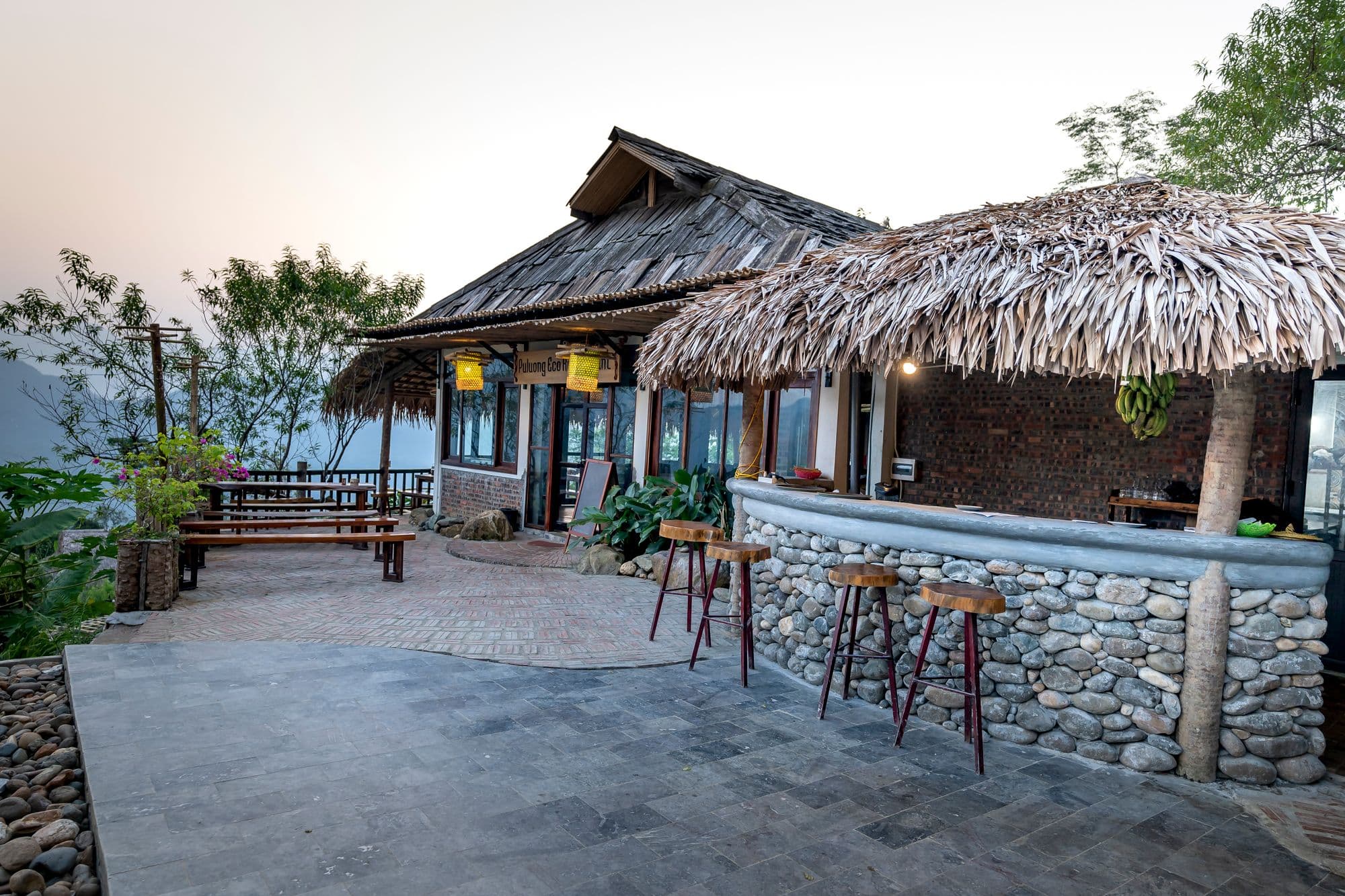
Outdoor kitchen bar zones turn a working grill island into a hosting magnet, giving guests a comfortable perch where they can watch the cook, hold a drink, and stay clear of the hot zone without wandering off into the yard.
Photo: Quang Nguyen Vinh / Pexels (Pexels License)
Top picks for this build
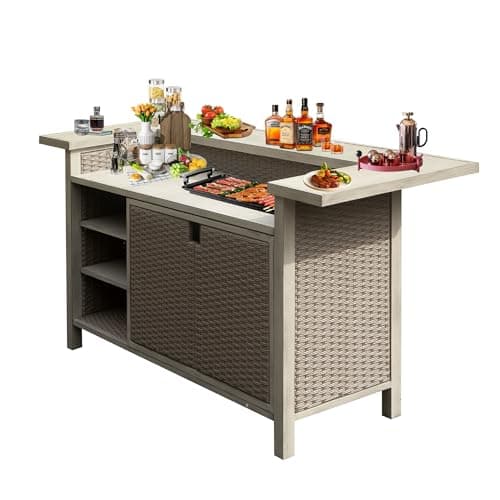
Domi Patio Bar Table, Outdoor Aluminum PE Wicker Bar Cart with Cabinet, All Weather Use Storage Patio Cabinet for Patio Kitchen or Bar Cart, Wood Grain
$569.99
Check price on Amazon: Domi Patio Bar Table, Outdoor Aluminum PE Wicker Bar Cart with Cabinet, All Weather Use Storage Patio Cabinet for Patio Kitchen or Bar Cart, Wood Grain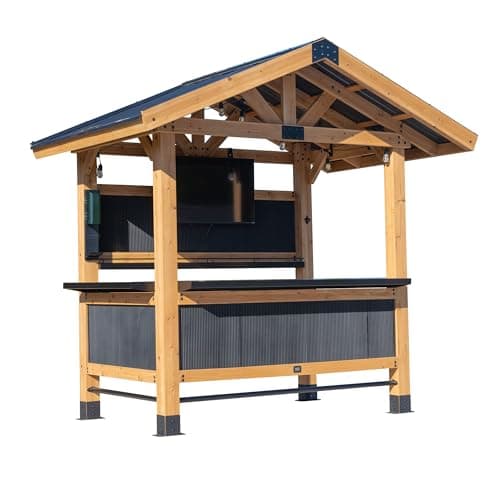
Backyard Discovery Palisade 9' x 6' Cedar Wood Outdoor Bar Set with Galvanized Steel Roof, Bar Top, Shelving, Snow Load Support, Wind Resistance, PowerPort for Patio, Deck, Entertaining
$1,999.00
Check price on Amazon: Backyard Discovery Palisade 9' x 6' Cedar Wood Outdoor Bar Set with Galvanized Steel Roof, Bar Top, Shelving, Snow Load Support, Wind Resistance, PowerPort for Patio, Deck, Entertaining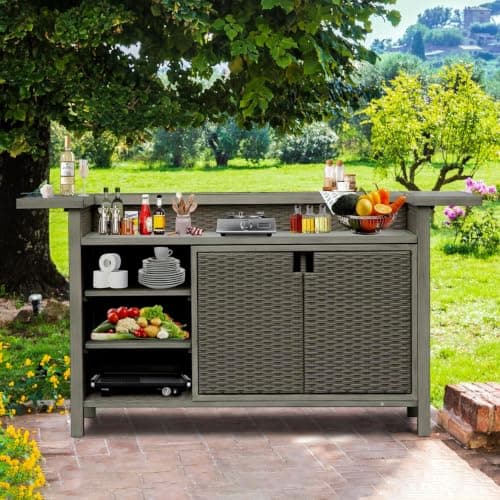
Domi Outdoor Kitchen Bar, Hand-Made Wicker Freestanding Island Home Bar Unit w/Storage Cabinets, Adjustable Shelves, Umbrella Hole, Premium Aluminum Frame, for Patio, Kitchen
$569.99
Check price on Amazon: Domi Outdoor Kitchen Bar, Hand-Made Wicker Freestanding Island Home Bar Unit w/Storage Cabinets, Adjustable Shelves, Umbrella Hole, Premium Aluminum Frame, for Patio, KitchenDomi Patio Bar Table, Outdoor Aluminum PE Wicker Bar Cart with Cabinet, All Weather Use Storage Patio Cabinet for Patio Kitchen or Bar Cart, Wood Grain
$569.99
Check price on Amazon: Domi Patio Bar Table, Outdoor Aluminum PE Wicker Bar Cart with Cabinet, All Weather Use Storage Patio Cabinet for Patio Kitchen or Bar Cart, Wood GrainBackyard Discovery Palisade 9' x 6' Cedar Wood Outdoor Bar Set with Galvanized Steel Roof, Bar Top, Shelving, Snow Load Support, Wind Resistance, PowerPort for Patio, Deck, Entertaining
$1,999.00
Check price on Amazon: Backyard Discovery Palisade 9' x 6' Cedar Wood Outdoor Bar Set with Galvanized Steel Roof, Bar Top, Shelving, Snow Load Support, Wind Resistance, PowerPort for Patio, Deck, EntertainingDomi Outdoor Kitchen Bar, Hand-Made Wicker Freestanding Island Home Bar Unit w/Storage Cabinets, Adjustable Shelves, Umbrella Hole, Premium Aluminum Frame, for Patio, Kitchen
$569.99
Check price on Amazon: Domi Outdoor Kitchen Bar, Hand-Made Wicker Freestanding Island Home Bar Unit w/Storage Cabinets, Adjustable Shelves, Umbrella Hole, Premium Aluminum Frame, for Patio, KitchenPrices and availability are accurate as of October 22, 2026, 11:45 AM UTC and are subject to change.
Bar Height vs Counter Height: Choosing the Right Dimensions
The height of your outdoor kitchen bar determines seating comfort, sightlines, and the overall aesthetic of the space, making it one of the first decisions to finalize before construction begins. There are two standard options: bar height at 42 inches and counter height at 36 inches. Each has distinct advantages depending on your cooking style and entertaining preferences.
Bar-height (42-inch) counters pair with bar stools that have a seat height of 28 to 30 inches. This elevated position creates a natural visual separation between the cooking zone and the seating area, allowing guests seated at the bar to watch the cook work without being at eye level with splattering grease or cutting boards. The 42-inch height also provides a comfortable standing-lean position for guests who prefer to hover rather than sit. Bar height is the more popular choice for outdoor kitchens, accounting for roughly 65 percent of installations, because it feels distinctly different from the indoor dining experience and creates a relaxed, social atmosphere.
Counter-height (36-inch) surfaces use stools with 24-inch seat heights and feel more like an extension of a traditional dining area. This height is more accessible for children, elderly guests, and people with mobility limitations, as the stools are lower and easier to mount and dismount. Counter height also works better if your outdoor bar doubles as additional prep space when you are not entertaining, since 36 inches is the standard kitchen working height. The countertop overhang for comfortable seating should extend at least 12 inches beyond the island base for bar stools, and 15 inches is preferred for generous knee clearance. Support the overhang with steel L-brackets rated for 200-plus pounds per bracket or decorative corbels spaced every 24 to 30 inches along the overhang. For a full overview of every component, layout option, and design path, see our complete outdoor kitchen setup guide.
Outdoor Bar Layout and Design Configurations
The layout of your outdoor kitchen bar should create a natural social flow that keeps guests engaged while staying out of the cook's working zone. The most effective designs position the bar on the opposite side of the island from the grill, creating a physical separation between the hot cooking area and the cool beverage zone. There are several proven layout configurations to consider.
The straight bar extension is the simplest approach: a linear countertop overhang on one side of a rectangular island, typically seating three to four people across an 8-to-10-foot span. This works well for smaller outdoor kitchens and keeps the construction straightforward. The L-shaped bar wraps around a corner of the island, creating two bar seating faces that can accommodate five to six stools and providing a more enclosed, social seating arrangement. This configuration naturally creates a bartender zone in the corner where beverage equipment can be centralized.
The U-shaped bar wraps three sides of the island, offering seating for six to eight guests and creating a peninsula effect where the cook stands inside the U and guests surround the outside. This is the most social layout, mimicking the experience of sitting at a restaurant bar, but it requires a larger island footprint — typically at least 10 by 6 feet. The detached bar island is a separate structure positioned 4 to 6 feet from the main cooking island, dedicated entirely to seating and beverage service. This approach keeps the cooking and socializing zones fully independent, allows the bar to have its own dedicated plumbing and electrical runs, and works especially well for large outdoor kitchens where you want to define distinct functional zones. When planning your layout, allow 24 inches of linear bar space per stool for comfortable elbow room, and ensure the walking path behind the stools is at least 36 inches wide, or 42 inches if the path also serves as a main traffic corridor.
Outdoor Bar Seating: Stools, Materials, and Comfort Features
Seating can make or break the bar experience, and outdoor kitchen bar stools face environmental challenges that indoor seating never encounters. Rain, UV exposure, humidity, bird droppings, and pollen all take their toll, so material selection is critical for longevity and low maintenance. The best materials for outdoor bar stools are cast aluminum, wrought iron with powder coating, marine-grade polymer, and all-weather wicker (synthetic resin woven over aluminum frames).
Cast aluminum stools from brands like Darlee and Hanamint offer a premium look with intricate detailing, weigh significantly less than iron or steel alternatives (typically 12 to 18 pounds per stool), and will never rust. Expect to pay $200 to $500 per stool for quality cast aluminum with cushions. Wrought iron stools are heavier (25 to 35 pounds) and more traditional in aesthetic, but they must have a high-quality powder coat finish to prevent rust — look for finishes rated to withstand 1,000-plus hours of salt spray testing. Prices range from $150 to $400 per stool.
All-weather wicker stools from brands like Lloyd Flanders and Forever Patio use HDPE (high-density polyethylene) resin woven over rust-proof aluminum frames. They are lightweight, comfortable without cushions, and clean easily with a garden hose. Prices run $250 to $600 per stool. For cushioned stools, choose cushions covered in Sunbrella or equivalent solution-dyed acrylic fabric, which resists UV fading, mold, mildew, and water absorption. Sunbrella cushions typically add $50 to $100 per stool. Swivel bases are a highly recommended upgrade for outdoor bar stools, allowing guests to turn toward the cooking action or toward each other in conversation without scraping the stool across the patio surface. A good swivel mechanism adds $30 to $80 to the stool price but dramatically improves comfort and convenience. Finally, consider stools with footrests at the correct height — positioned 12 inches below the seat for bar-height and 10 inches below for counter-height — as dangling legs become uncomfortable quickly for guests spending an extended evening at your outdoor bar.
Beverage Centers and Wine Coolers for Outdoor Bars
A beverage center is one of the most practical appliances you can install in your outdoor kitchen bar. Unlike a standard outdoor refrigerator designed for general food storage, a beverage center is purpose-built for cans, bottles, and beverage accessories, with adjustable shelving configured to hold everything from 12-ounce cans to wine bottles, and a glass door that lets guests browse the selection without opening the door and releasing cold air.
Outdoor-rated beverage centers from brands like Perlick, True Residential, Blaze, and Bull feature front-venting compressors for built-in installation, 304-grade stainless steel frames, UV-resistant tempered glass doors, and interior LED lighting that showcases your beverage collection. Capacities range from 80 to 180 can equivalents in 15-to-24-inch-wide cabinets. The Perlick HP15BS 15-inch outdoor beverage center (approximately $2,800) is a top-tier option with a commercial-grade variable-speed compressor and stainless steel interior, while the Blaze 24-Inch Outdoor Beverage Center (approximately $1,400) offers excellent performance at a more accessible price point with 5.5 cubic feet of capacity and three adjustable wire shelves.
Dual-zone beverage centers split the cabinet into two independently controlled temperature zones — one set to 34-to-38 degrees for beer, soda, and mixers, and the other to 45-to-55 degrees for white wine and rosé. True Residential offers a 24-inch dual-zone model (approximately $4,500) that is the gold standard for outdoor wine and beverage storage. For homeowners on a tighter budget, the Bull Premium Outdoor Beverage Center (approximately $1,100) provides single-zone cooling at a competitive price with a solid feature set including a built-in lock, digital temperature display, and automatic defrost. Position your beverage center within arm's reach of the bar seating area but away from the grill's radiant heat — at least 24 inches of separation prevents the compressor from overworking.
Kegerators: Bringing Draft Beer to Your Outdoor Kitchen Bar
For beer enthusiasts, a kegerator is the ultimate outdoor kitchen bar upgrade, delivering cold draft beer on tap without the expense and waste of individual bottles and cans. An outdoor-rated kegerator is essentially a refrigerator designed to hold a full-size (15.5-gallon) or slim-quarter (7.75-gallon) keg at 36-to-38 degrees while using a CO2 pressurization system to push beer through a tap tower and into your glass. The cold, fresh, perfectly carbonated pour from a kegerator is noticeably superior to bottled or canned beer, and the per-serving cost of a full keg is typically 40 to 60 percent less than buying the equivalent volume in six-packs.
The leading outdoor-rated kegerators include the True TDR24SZ (approximately $4,000), which features commercial-grade refrigeration, a stainless steel interior, and accommodates one full-size or two slim-quarter kegs with dual tap towers. The Perlick HP24TS (approximately $3,500) offers similar commercial quality with Perlick's RAPIDcool system for fast temperature recovery. For a more budget-friendly option, the EdgeStar KC7000SSOD (approximately $800 to $1,000) is an outdoor-rated single-tap kegerator that holds a full-size keg and features a 304 stainless steel body with digital temperature controls.
When installing a kegerator in your outdoor bar, plan for several logistical requirements. You need a CO2 tank (5-pound tanks cost $20 to $30 to refill and last through approximately four to six full kegs), appropriate tubing and connector hardware specific to your keg type (American D-system Sankey couplers are the most common for domestic beers), and a drip tray beneath the tap tower to catch foam and spillage. The kegerator must sit on a level surface and have GFCI-protected power. Keep a spare CO2 tank on hand for parties — nothing kills the vibe faster than a keg that stops pouring because the CO2 ran out at 9 PM.
Ice Makers: Capacity, Types, and Installation for Outdoor Bars
An outdoor kitchen bar without a reliable source of ice is like a swimming pool without water — technically complete but functionally useless. While bags of ice from the store work in a pinch, a dedicated outdoor ice maker provides a continuous supply of fresh, clean ice without repeated trips to the gas station or the melting, refreezing, and contamination issues that plague ice stored in coolers for extended periods.
Outdoor ice makers fall into two categories: undercounter built-in units that install into your island like a refrigerator or beverage center, and portable countertop models that sit on any flat surface and produce ice on demand. For a serious outdoor bar, the undercounter built-in type is the right choice. These units connect to a water supply line and drain line, produce 25 to 80 pounds of ice per day, and store 20 to 35 pounds of ice in an insulated bin that keeps it from melting for hours. Top models include the U-Line BI2115OD (approximately $2,200), which produces 60 pounds of crescent-shaped ice per day with an outdoor-rated stainless steel housing, and the Scotsman CU50GA (approximately $2,800), a commercial-grade unit that produces 65 pounds of gourmet cube ice daily with a self-contained drain pump that allows installation even when a gravity drain is not available.
For more modest budgets, the Blaze 50-Pound Outdoor Ice Maker (approximately $1,200) produces 50 pounds of bullet-shaped ice daily and fits a standard 15-inch undercounter cutout. Ice shape matters more than you might think: crescent and gourmet cube shapes melt slower and look better in cocktail glasses than bullet or nugget shapes, which is why premium brands command higher prices. Nugget ice (also called pebble or Sonic-style ice) has its own fan base for cocktails and is available in outdoor models from Scotsman and GE Profile, though these units tend to cost $2,500 or more. When planning your installation, ensure the ice maker has access to a water supply line with a shutoff valve, a drain connection (either gravity drain or pump drain depending on the unit), and a GFCI-protected 115V outlet on a dedicated circuit.
Bar Sink Setup: Size, Faucets, and Plumbing for Outdoor Bars
A bar sink in your outdoor kitchen bar area is a practical addition that makes cocktail preparation, glass rinsing, and hand washing convenient without requiring trips to the main kitchen sink in the cooking zone. Outdoor bar sinks are typically smaller than prep sinks, measuring 12 to 18 inches wide and 12 to 15 inches front-to-back, with a depth of 6 to 8 inches. This compact footprint fits into the bar countertop without consuming excessive space, leaving room for cutting boards, garnish trays, and glassware.
The best materials for outdoor bar sinks are 304-grade stainless steel and marine-grade copper. Stainless steel is the most practical: it resists corrosion, cleans easily, does not stain from citrus acids or alcohol, and costs $75 to $250 for a quality drop-in or undermount model. Copper sinks ($200 to $500) develop a natural patina over time that many homeowners find aesthetically appealing, and copper has natural antimicrobial properties. However, copper requires more maintenance and reacts with acidic substances, which can accelerate patina development in ways you may not prefer.
For faucets, choose a model rated for outdoor use with a ceramic disc cartridge rather than a rubber washer — ceramic discs last years longer in outdoor conditions. Single-handle faucets are the most practical for bar use, allowing one-handed operation while the other hand holds a glass or garnish tool. The Delta Trinsic 9159-AR-DST (approximately $300) and Moen Align 5965SRS (approximately $250) are both excellent outdoor-compatible options with modern aesthetics and reliable ceramic disc valves. If your outdoor bar is more than 30 feet from your home's hot water heater, consider installing a small point-of-use tankless water heater (like the EcoSmart ECO 11 at approximately $250) to provide instant hot water for washing hands and cleaning glassware without waiting for hot water to travel from the house. All outdoor plumbing must include a shutoff valve accessible from inside the island, and in freeze-prone climates, use frost-proof faucets or install winterization drain valves that allow you to purge the lines before the first freeze.
Countertop Materials and Finishes for Outdoor Bars
The countertop on your outdoor kitchen bar serves double duty as both a functional work surface and the primary visual element guests interact with up close, so material selection must balance durability, aesthetics, and resistance to the specific hazards of a bar environment: spilled drinks, citrus acid, alcohol, ice melt, and the constant placement and sliding of glasses and plates.
Granite remains the most popular countertop material for outdoor bars, offering natural beauty, excellent heat resistance, and good stain resistance when properly sealed. Darker granites like Absolute Black, Uba Tuba, and Steel Grey hide water rings and stains better than lighter colors. Expect to pay $40 to $100 per square foot installed. Seal granite countertops annually with a quality impregnating sealer like Tenax Proseal or StoneTech BulletProof to maintain stain resistance against wine, cocktail mixers, and citrus juice.
Concrete countertops offer a modern industrial aesthetic at $65 to $135 per square foot and can be tinted to virtually any color. They are extremely durable but must be sealed with a food-safe penetrating sealer and waxed quarterly to prevent staining. Sintered stone surfaces like Dekton and Neolith ($80 to $150 per square foot) are the premium choice: they are virtually impervious to stains, scratches, UV fading, and heat, require zero sealing, and clean with a simple wipe. Dekton's Trilium and Liquid Sky patterns are particularly popular for outdoor bars due to their contemporary aesthetics.
For the bar top edge profile, choose a bullnose or eased edge rather than a sharp square edge. Rounded edges are more comfortable for guests resting their forearms on the bar during extended conversations and reduce the risk of chipped edges from glass and bottle contact. A slightly textured or honed finish (rather than polished) provides better grip and hides water spots and fingerprints more effectively in an outdoor bar setting where constant cleaning is impractical during a party.
A few specifics that come up repeatedly:
Can I add a bar to my existing outdoor kitchen island?
Yes, adding a bar-height overhang to an existing island is one of the most common outdoor kitchen upgrades. A contractor can extend the countertop 12 to 15 inches on one side, add structural support brackets, and raise the bar section to 42 inches using a stepped-up countertop. The cost for adding a bar overhang to an existing island typically runs $1,000 to $3,000 including the countertop extension, support structure, and finishing.
What beverages should I stock in my outdoor bar beverage center?
For a well-rounded outdoor bar, stock a mix of beer (craft and domestic), white wine, sparkling water, soft drinks, and cocktail mixers like tonic water, club soda, and citrus juices. Set the beverage center to 36 to 38 degrees for beer and soft drinks. If you have a dual-zone unit, set the second zone to 48 to 52 degrees for white wine. Keep spirits on the countertop since they do not need refrigeration.
How do I winterize my outdoor kitchen bar plumbing?
Before the first freeze, shut off the water supply to the outdoor bar at the main shutoff valve. Open the bar faucet to drain remaining water from the lines. Disconnect and drain any supply hoses. Pour RV-grade non-toxic antifreeze into the drain trap to prevent the P-trap water from freezing and cracking the pipe. Cover the faucet with an insulated faucet cover. Repeat for the ice maker water supply line.
For the clearance and sizing figures in this guide, the kitchen sizing standards published by the National Kitchen & Bath Association is the primary reference — and your inspector is the one who decides.
Frequently Asked Questions
01What is the standard height for an outdoor kitchen bar?
02How much countertop overhang do I need for bar seating?
03How much does it cost to build an outdoor kitchen bar?
04Do I need a separate sink for an outdoor kitchen bar?
05What is the best outdoor bar stool material?
06Is a kegerator worth it for an outdoor kitchen bar?
07How much ice does an outdoor bar need for a party?
This guide is part of Outdoor Kitchen Components: What Goes In, In What Order, and What to Skip — the hub covering every components guide on Outdoor Kitchen Setup.
Related Guides
Written and edited by Sukie
Sukie is the editor behind Outdoor Kitchen Setup. They compile manufacturer specification sheets, published building codes, and industry sizing standards into the measurement and planning guides on this site, and check every figure against its original source before it goes live. Where a number varies by brand or by local code, the guides say so rather than presenting a single figure as universal.