Outdoor Kitchen Concrete Countertops: DIY Forms, Mix Ratios & Finishing Guide for 2026
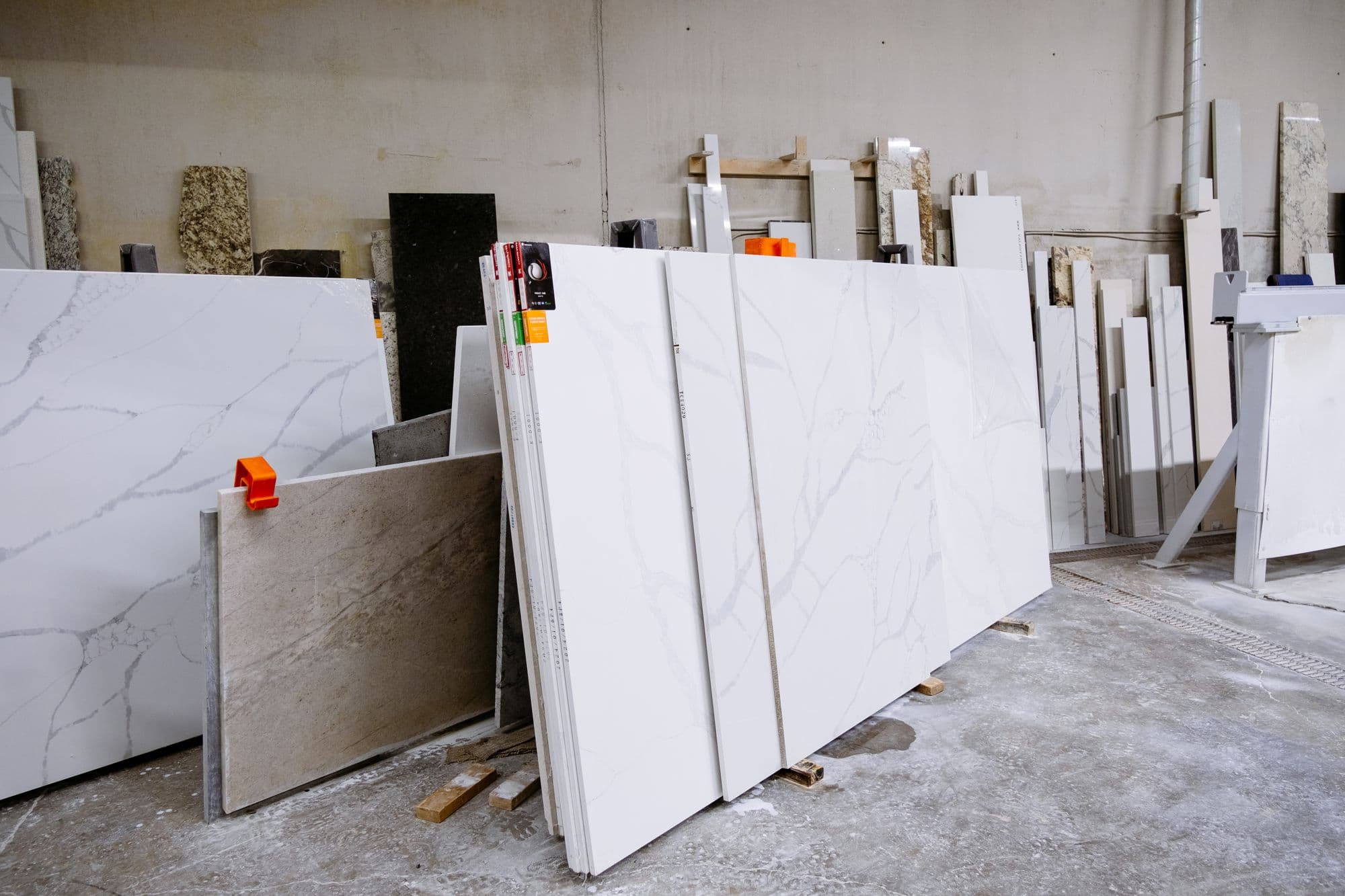
Outdoor kitchen concrete countertops earn their following because no other premium surface lets a homeowner cast, color, and finish a one-of-a-kind slab in their own driveway for under $15 per square foot in materials.
Photo: Deane Bayas / Pexels (Pexels License)
Outdoor kitchen concrete countertops have become one of the most popular surface choices for backyard cooking stations, and for good reason. Concrete is one of the few countertop materials that you can form, pour, color, texture, and finish entirely yourself, achieving a custom look that rivals granite or quartzite at a fraction of the fabrication cost. While a professionally fabricated granite countertop for an outdoor kitchen runs $60 to $120 per square foot installed, a DIY concrete countertop costs just $5 to $15 per square foot in raw materials, making it the most budget-friendly premium countertop option available. Beyond cost savings, concrete offers virtually unlimited design flexibility. You can cast it in any shape, embed decorative aggregates like recycled glass or river pebbles, color it with integral pigments in hundreds of hues, stamp or texture the surface for a natural stone appearance, and form custom edge profiles from bullnose to chiseled rock face. When properly sealed, outdoor kitchen concrete countertops resist UV degradation, heat from grills and smokers, freeze-thaw cycling, and staining from food and beverages. The material's inherent thermal mass also makes it comfortable to work on in direct sunlight because concrete stays cooler to the touch than dark granite or metal surfaces. This guide walks you through every phase of building outdoor kitchen concrete countertops, from designing your forms and selecting the right concrete mix to pouring, curing, coloring, sealing, and maintaining your finished surface. Whether you are an experienced DIY builder or tackling your first concrete project, the detailed instructions and material specifications in this guide will help you achieve professional-quality results that last 20 years or more.
Top picks for this build
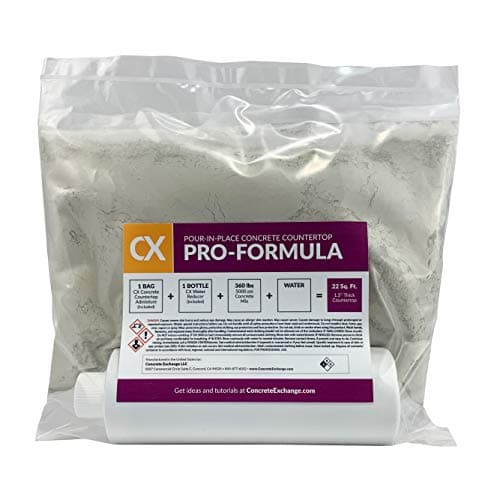
Concrete Exchange CX Pour-in-Place Concrete Countertop Pro-Formula Mix
See price on Amazon
Check price on Amazon: Concrete Exchange CX Pour-in-Place Concrete Countertop Pro-Formula Mix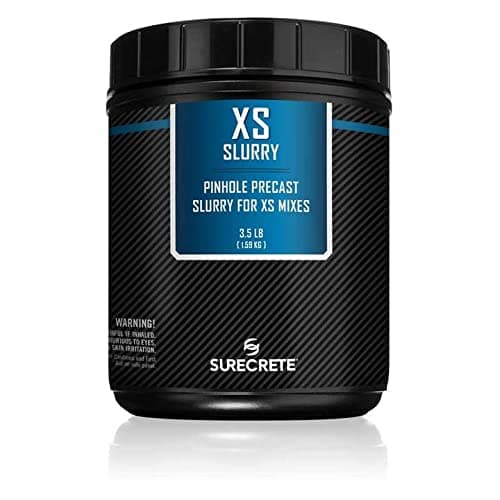
Concrete Countertop Slurry Mix, Pin Hole Filler, Surecrete Xtreme Series 3.5 LB Pail
$35.95
Check price on Amazon: Concrete Countertop Slurry Mix, Pin Hole Filler, Surecrete Xtreme Series 3.5 LB Pail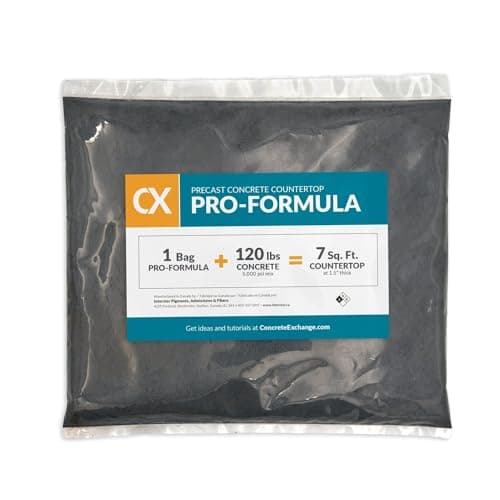
Precast Concrete Countertop Mix | Stone
$31.95
Check price on Amazon: Precast Concrete Countertop Mix | Stone
Premium Stepping Stone Mix - 8 Pound Box White Concrete Mixture
$20.99
Check price on Amazon: Premium Stepping Stone Mix - 8 Pound Box White Concrete Mixture
Midwest Products Milestones Premium Stepping Stone Cement Mix 8 Pound Box
$30.14
Check price on Amazon: Midwest Products Milestones Premium Stepping Stone Cement Mix 8 Pound Box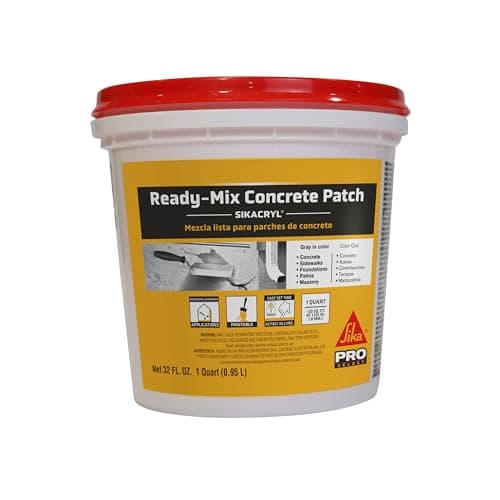
Sika Sikacryl Ready-Mix Concrete Patch for Repairing Spalls and Cracks
$9.99
Check price on Amazon: Sika Sikacryl Ready-Mix Concrete Patch for Repairing Spalls and CracksConcrete Exchange CX Pour-in-Place Concrete Countertop Pro-Formula Mix
See price on Amazon
Check price on Amazon: Concrete Exchange CX Pour-in-Place Concrete Countertop Pro-Formula MixConcrete Countertop Slurry Mix, Pin Hole Filler, Surecrete Xtreme Series 3.5 LB Pail
$35.95
Check price on Amazon: Concrete Countertop Slurry Mix, Pin Hole Filler, Surecrete Xtreme Series 3.5 LB PailPrecast Concrete Countertop Mix | Stone
$31.95
Check price on Amazon: Precast Concrete Countertop Mix | StonePremium Stepping Stone Mix - 8 Pound Box White Concrete Mixture
$20.99
Check price on Amazon: Premium Stepping Stone Mix - 8 Pound Box White Concrete MixtureMidwest Products Milestones Premium Stepping Stone Cement Mix 8 Pound Box
$30.14
Check price on Amazon: Midwest Products Milestones Premium Stepping Stone Cement Mix 8 Pound BoxSika Sikacryl Ready-Mix Concrete Patch for Repairing Spalls and Cracks
$9.99
Check price on Amazon: Sika Sikacryl Ready-Mix Concrete Patch for Repairing Spalls and CracksPrices and availability are accurate as of October 22, 2026, 11:45 AM UTC and are subject to change.
Why Concrete Is an Ideal Countertop Material for Outdoor Kitchens
Concrete offers a unique combination of properties that make it exceptionally well-suited for outdoor kitchen countertops. First, concrete is inherently weather-resistant. Unlike wood, which rots, or laminate, which delaminates, concrete withstands rain, snow, UV exposure, and temperature extremes ranging from below zero to over 120 degrees Fahrenheit without structural damage. When properly sealed with a penetrating sealer, concrete resists water absorption to less than 1 percent by weight, which is critical in freeze-thaw climates where absorbed water expanding into ice can crack susceptible materials. Second, concrete handles the intense heat generated by grills, smokers, and hot cookware without scorching, discoloring, or cracking, making it one of the safest surfaces to place a 500-degree cast iron skillet directly on from the grill.
Third, concrete provides exceptional design versatility that no natural stone can match. You control the color, texture, shape, edge profile, and embedded decorative elements during the forming and pouring process. Want a countertop that curves around a circular grill island? Concrete forms bend to any radius. Want a surface that matches your home's exterior stucco color precisely? Integral pigments and acid stains offer virtually unlimited color matching. Want a live edge that mimics natural stone? Form liners create that effect for under $30 per linear foot. Fourth, concrete is repairable. Unlike granite, which requires professional refabrication to fix a chip, minor concrete damage can be patched, filled, and re-sealed by the homeowner using basic materials from any hardware store. This repairability is particularly valuable in outdoor environments where falling objects, shifting settling, and freeze-thaw cycles can cause minor surface damage over decades of use. Pair this guide with our broader outdoor kitchen setup overview for a complete picture of how this fits into a full backyard build.
Building Forms and Molds for Outdoor Kitchen Concrete Countertops
The form is the mold that shapes your outdoor kitchen concrete countertop, and building it accurately is the single most important step in the entire project. Forms are typically constructed from melamine-coated particleboard, which provides a smooth, non-porous surface that releases cleanly from cured concrete and produces a glass-like finish on the cast surface. Purchase three-quarter-inch melamine sheets from any home improvement store at approximately $30 to $45 per 4-by-8-foot sheet. For a standard outdoor kitchen island countertop measuring 8 feet by 2.5 feet with an 1.5-inch thickness, you need one sheet for the base and strips cut from a second sheet for the sides.
Begin by cutting the base piece to the exact exterior dimensions of your finished countertop. Then cut side strips 1.5 inches tall, which determines your countertop thickness, and attach them to the base edges using 1.25-inch drywall screws from the outside and a bead of 100-percent silicone caulk along every interior seam. The silicone serves two purposes: it prevents concrete slurry from leaking through joints, and it creates a slightly rounded transition at the base of the side walls that produces clean edges on the finished slab. Run a wet finger along each silicone bead to create a smooth, consistent cove. For grill and sink cutouts, build inner forms from the same melamine material, sized to match your appliance manufacturer's cutout specifications plus one-eighth inch tolerance on each side. Secure inner forms to the base with screws from below and caulk all interior seams. Critical tip: double-check every dimension against your actual island frame before pouring, because concrete countertops are not adjustable after curing. An incorrectly sized cutout means starting the entire slab over. For countertops longer than 8 feet, plan a control joint or pour separate sections to prevent cracking from thermal expansion, which is especially important in outdoor applications where the countertop is exposed to direct sunlight and nighttime cooling cycles.
Concrete Mix Selection and Ratios for Outdoor Kitchen Countertops
The concrete mix you choose for your outdoor kitchen countertop determines its strength, workability, appearance, and long-term durability. Standard sidewalk concrete from a bag is not suitable for countertop work because it contains large aggregate that creates a rough, porous surface and is difficult to work into thin forms. Instead, use a mix specifically formulated for concrete countertops. The two main approaches are purchasing a pre-blended countertop mix or creating a custom mix from individual components.
Pre-blended countertop mixes are the easiest option for first-time builders. Quikrete Countertop Mix ($15 to $18 per 80-pound bag) produces a smooth, high-strength surface rated at 6,000 PSI after 28 days and requires only the addition of water. One 80-pound bag yields approximately 0.6 cubic feet of concrete, so a standard 8-by-2.5-foot countertop at 1.5 inches thick requires roughly five bags. Buddy Rhodes Concrete Counter Mix ($40 to $55 per bag) is a premium option favored by professional countertop fabricators for its superior workability and finer surface finish. For a custom mix, the standard countertop formula is: one part Portland cement (Type I or Type II), 2.5 parts fine sand (60-mesh or finer), and water at a 0.35 to 0.40 water-to-cement ratio by weight. This low water-to-cement ratio produces dense, strong concrete but makes the mix stiff and harder to work, which is why many fabricators add a high-range water reducer (superplasticizer) like Fritz-Pak Super Slump Buster at 1 to 2 ounces per bag of cement. The water reducer allows the concrete to flow smoothly into forms and around reinforcement without excess water that weakens the finished slab. For outdoor kitchen applications specifically, add polypropylene fiber reinforcement at 1 pound per cubic yard to resist surface cracking, and consider adding an air-entraining admixture in climates with freeze-thaw cycles, which creates microscopic air bubbles that give expanding ice room to form without fracturing the concrete matrix.

Reinforcement, Pouring, and Vibrating Your Concrete Countertop
Proper reinforcement prevents your outdoor kitchen concrete countertop from cracking under its own weight, thermal stress, and the inevitable impacts from dropped utensils and heavy cookware. For a 1.5-inch-thick countertop slab, the most effective reinforcement is a layer of alkaline-resistant (AR) fiberglass mesh placed approximately one-third of the way up from the bottom of the pour. Cut the mesh to fit inside the form with one-half inch clearance from all edges, and support it at the correct height using small concrete spacers or pieces of broken tile. Some fabricators use steel rebar or wire mesh, but fiberglass mesh is superior for thin countertops because it does not rust and does not create the telegraphing shadow lines that steel reinforcement can produce near the surface.
Before pouring, apply a thin coat of form release agent to all interior melamine surfaces. Cooking spray or paste wax both work, but dedicated form release agents like Smooth-On Universal Mold Release ($12) provide the most consistent results. Mix your concrete in batches small enough to place within 15 to 20 minutes to prevent cold joints between pours. Pour the first half-inch layer, tapping the sides of the form firmly with a rubber mallet to drive air bubbles to the surface. Place the fiberglass mesh on this initial layer, then pour the remaining concrete to fill the form to the top of the side walls. Strike the surface level with a straight piece of aluminum or a magnesium screed, then vibrate the form thoroughly. An orbital sander with no sandpaper placed flat against the underside of the form base is the most popular DIY vibration method, as it transmits vibration evenly through the melamine and drives trapped air bubbles to the form surface, which becomes the top of the countertop when demolded. Run the sander along the entire form surface for three to five minutes, or until air bubbles stop appearing at the top. Inadequate vibration is the number-one cause of pinholes and bug holes on the finished surface, so do not rush this step.
Coloring and Staining Outdoor Kitchen Concrete Countertops
Adding color to your outdoor kitchen concrete countertop transforms it from a utilitarian gray slab into a design statement that complements your outdoor kitchen's aesthetic and your home's exterior palette. There are three primary coloring methods, each producing a distinctly different appearance. Integral pigments are mixed directly into the wet concrete before pouring, producing consistent color throughout the entire slab thickness. This means that any chips, scratches, or surface wear reveal the same color underneath rather than exposing raw gray concrete. Integral pigments from brands like SureCrete and Direct Colors cost $10 to $30 per batch and are available in earth tones, warm whites, charcoals, slate blues, and terracotta reds. For outdoor kitchen applications, earth tones and natural stone colors tend to age the most gracefully and hide minor discoloration from food and grease stains best.
Acid stains are applied to cured concrete and react chemically with the lime in the cement paste, producing variegated, translucent color effects that mimic natural stone. Each application is unique because the stain reacts differently depending on the concrete's mineral composition, moisture content, and surface porosity. Acid-stained outdoor kitchen concrete countertops develop a rich, mottled appearance with depth and character that solid colors cannot achieve. Popular acid stain brands include Kemiko and Smith's Color Floor, with prices ranging from $25 to $50 per quart, which covers approximately 50 to 100 square feet. Apply acid stains after grinding and before sealing for the most vibrant results. Water-based concrete stains offer more predictable, uniform color than acid stains with easier application and no hazardous chemical handling. They penetrate the concrete surface and bond permanently but do not produce the mottled, organic look of acid stains. Water-based stains from Behr, Rust-Oleum, and VIVID are available at major home improvement stores for $30 to $50 per gallon. For the most striking outdoor kitchen countertop appearance, many fabricators combine integral pigment for a base color with a secondary acid stain treatment that adds depth and visual complexity to the finished surface.
Edge Profiles and Decorative Techniques for Concrete Countertops
The edge profile of your outdoor kitchen concrete countertop defines its visual character as much as the surface color. Unlike granite or quartz countertops where edge profiles are cut with diamond routers after fabrication, concrete countertop edges are formed during the pour, meaning the edge shape is built into the form itself. The simplest approach is a square edge, which requires no modification to the basic melamine form and produces a clean, modern look. To soften a square edge slightly, run a bead of silicone caulk along the interior bottom corner of the form, creating a small radius that prevents the sharp edge from chipping during handling and use.
For more distinctive profiles, use form liners attached to the inside face of the form walls. A bullnose edge uses a half-round form liner that produces a fully rounded edge, ideal for outdoor kitchens with bar seating where guests rest their arms on the countertop. Bullnose form liners from Concrete Countertop Solutions cost approximately $4 to $8 per linear foot. A chiseled rock face edge uses a textured form liner made from silicone rubber that imprints a natural stone texture onto the concrete, producing an edge that looks like rough-hewn granite or flagstone. Rock face liners run $10 to $20 per linear foot and create a rustic aesthetic that pairs beautifully with stone veneer island exteriors. An ogee edge uses an S-curve form liner that replicates the classic ornamental profile seen on traditional stone countertops, suitable for outdoor kitchens with a more formal design language. Beyond edge profiles, decorative techniques for the countertop surface itself include embedded aggregates such as recycled glass chips, river pebbles, or seashells placed face-down on the form base before pouring so they appear on the finished top surface when demolded. After curing and demolding, grind the surface lightly with a diamond polishing pad to expose the embedded materials flush with the concrete surface. This technique produces stunning, one-of-a-kind countertops that serve as conversation pieces at every outdoor gathering.
Sealing and Waterproofing Outdoor Kitchen Concrete Countertops
Sealing is the most critical maintenance step for outdoor kitchen concrete countertops because unsealed concrete is porous and will absorb water, oils, food acids, and stains within minutes of contact. The right sealer protects your countertop from moisture penetration, freeze-thaw damage, UV degradation, and staining while preserving the color and surface finish you worked hard to achieve. There are two main categories of concrete countertop sealers: topical sealers that form a protective film on the surface and penetrating sealers that soak into the concrete pores and react chemically to block moisture from within.
Penetrating sealers are the recommended choice for outdoor kitchen concrete countertops because they do not alter the surface appearance or texture, they cannot peel, flake, or delaminate, and they remain effective for three to five years per application. Leading penetrating sealers include ICT Reactive Sealer ($75 per quart, covers 100 to 150 square feet), Cheng Food-Safe Concrete Countertop Sealer ($65 per quart), and SureCrete Hs-310 ($55 per quart). Apply penetrating sealers with a low-nap roller or sprayer in two to three thin coats, allowing each coat to absorb for 10 to 15 minutes before wiping off excess. Topical sealers like epoxy and polyurethane create a visible, glossy or satin film on the concrete surface that provides excellent stain resistance but can yellow from UV exposure outdoors, trap moisture underneath in humid conditions, and show scratches and wear patterns over time. If you prefer the look of a topical sealer outdoors, use a UV-stable aliphatic polyurethane rather than an aromatic formula, which yellows significantly faster. Regardless of sealer type, prepare the surface by grinding with 200-grit diamond pads, cleaning thoroughly, and allowing the concrete to dry completely before applying. Reapply penetrating sealers every three to five years, or whenever you notice water no longer beading on the surface. This simple reapplication is the key to maintaining a beautiful outdoor kitchen concrete countertop for decades.
Cost Comparison: Concrete vs Granite vs Tile Countertops for Outdoor Kitchens
Understanding the true cost comparison between outdoor kitchen concrete countertops and alternative materials helps you make an informed investment decision. For a standard 20-square-foot outdoor kitchen countertop, which covers a typical 8-foot-long island with 2.5 feet of depth, the material and installation costs break down as follows. DIY concrete countertops cost $5 to $15 per square foot in materials, totaling $100 to $300 for the slab itself, plus $50 to $100 for forms, reinforcement, sealer, and pigments. Your total out-of-pocket cost is approximately $150 to $400, making concrete the most affordable premium countertop option by a wide margin. The trade-off is labor: expect 20 to 30 hours of work across form building, pouring, curing, grinding, and sealing, spread over seven to ten days due to curing time.
Professionally fabricated concrete countertops cost $65 to $135 per square foot installed, totaling $1,300 to $2,700 for the same 20-square-foot countertop. Professional fabrication eliminates the labor investment and risk of DIY errors but costs roughly the same as natural stone. Granite countertops for outdoor kitchens cost $50 to $120 per square foot installed, totaling $1,000 to $2,400. Granite is virtually maintenance-free outdoors, extremely heat-resistant, and offers a wide selection of natural patterns and colors. The main disadvantages are that granite cannot be repaired if it cracks, it requires professional templating and fabrication, and you are limited to naturally occurring patterns. Porcelain slab countertops run $40 to $80 per square foot installed, totaling $800 to $1,600, and offer excellent UV resistance and low maintenance. Tile countertops are the most affordable fabricated option at $10 to $30 per square foot installed, totaling $200 to $600, but grout lines require periodic maintenance and can harbor bacteria and stains. When considering the full picture, DIY concrete countertops save $800 to $2,300 compared to granite while offering superior design flexibility. The savings alone can fund a major appliance upgrade like a built-in smoker or outdoor refrigerator, making concrete the strategic choice for budget-conscious outdoor kitchen builders who are willing to invest their time.
Things that catch people out:
How long does a concrete countertop take to cure before use?
Concrete countertops should cure for a minimum of 5 days before demolding and 28 days before reaching full strength. However, you can seal and begin light use after 7 to 10 days. Keep the curing concrete covered with plastic sheeting to retain moisture, and avoid exposing it to direct sunlight or wind during the first 48 hours, which can cause rapid surface drying and cracking.
Treat the material and structural requirements here as a planning starting point and the residential requirements published by the International Code Council as the authority, since local amendments are common.
Frequently Asked Questions
01How long do outdoor kitchen concrete countertops last?
02Do concrete countertops crack outdoors?
03How much does a DIY concrete countertop cost?
04What concrete mix is best for outdoor kitchen countertops?
05How do you seal concrete countertops for outdoor use?
06Can you put a hot pan on a concrete countertop?
07How thick should outdoor kitchen concrete countertops be?
08Do concrete countertops stain easily?
09Can you make concrete countertops look like granite?
This guide is part of Outdoor Kitchen Materials: What Survives Weather and What Only Looks Like It Will — the hub covering every materials & surfaces guide on Outdoor Kitchen Setup.
Related Guides
Written and edited by Sukie
Sukie is the editor behind Outdoor Kitchen Setup. They compile manufacturer specification sheets, published building codes, and industry sizing standards into the measurement and planning guides on this site, and check every figure against its original source before it goes live. Where a number varies by brand or by local code, the guides say so rather than presenting a single figure as universal.