Outdoor Kitchen Tile: Porcelain, Ceramic & Natural Stone Options for Every Surface
Outdoor kitchen tile selection covering porcelain, ceramic, and natural stone options, frost ratings under 0.5% absorption, modified thinset,
By Sukie
Editor · compiles manufacturer specs and building-code references into the measurement guides on this site
Outdoor kitchen tile is one of the most versatile and budget-friendly surfacing materials available for backyard cooking stations, suitable for countertops, backsplashes, island facades, flooring, and even bar tops. The right tile selection transforms a basic outdoor kitchen structure into a visually striking entertainment space while protecting underlying surfaces from water, heat, grease, and UV exposure. Unlike indoor tiling where material selection is primarily aesthetic, outdoor kitchen tile must meet stringent performance requirements: frost-proof ratings for freeze-thaw climates, slip resistance coefficients for wet cooking areas, UV stability to prevent fading under years of direct sunlight, and heat tolerance near grills and smokers. The outdoor tile market in 2026 offers an enormous range of options, from budget-friendly ceramic tiles starting at $2 per square foot to premium natural stone slabs exceeding $30 per square foot, with porcelain tile occupying the performance sweet spot for most outdoor kitchen applications. Leading manufacturers like Daltile, Marazzi, MSI, and Emser produce tile lines specifically engineered for outdoor use, with water absorption rates below 0.5 percent, breaking strengths exceeding 2,000 newtons, and frost resistance certifications that guarantee performance through thousands of freeze-thaw cycles. This comprehensive guide covers every aspect of selecting, specifying, and installing outdoor kitchen tile, from understanding the critical differences between porcelain, ceramic, and natural stone to choosing the right grout, planning layouts for countertops and backsplashes, and maintaining your tile surfaces for decades of beautiful performance. Whether you are tiling a new outdoor kitchen from scratch or resurfacing an existing island, this resource provides the expert-level detail you need to make confident material choices.
Top Picks: Best Outdoor Kitchen Tile: Porcelain, Ceramic & Natural Stone Options for Every Surface in 2026
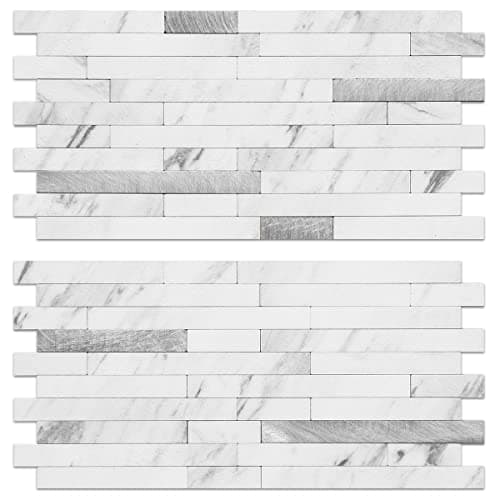
AULIGET 20 Sheets Faux Stone Peel and Stick Backsplash, White Marble Look PVC Wall Tiles Stick on Backsplash for Kitchen
$35.99
Shop Now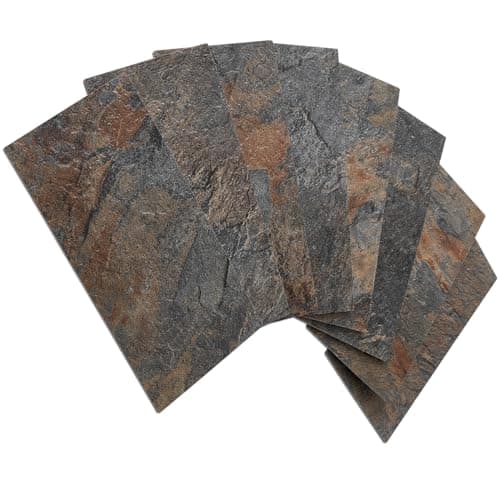
AULIGET 100 Piece Rust Slate Peel and Stick Backsplash Wall Tiles, 3" x 6" PVC Faux Stone Stick on Tiles for Backsplash Kitchen, Bathroom, Laundry Room, Camper, Fireplace
$44.99
Shop Now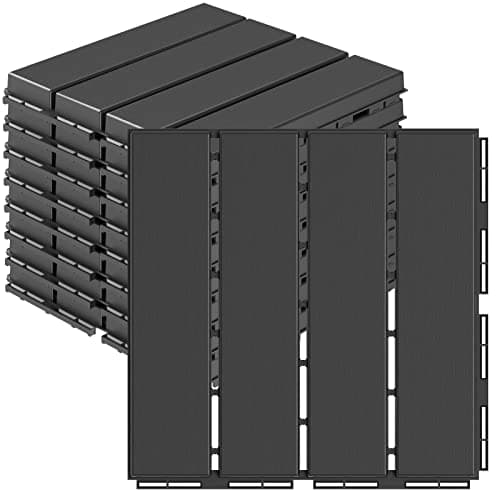
Goovilla Plastic Interlocking Deck Tiles, 9 Pack , 12"x12" Waterproof Outdoor Flooring All Weather Use, Patio Floor Decking Tiles for Porch Poolside Balcony Backyard, Dark Grey
$25.99
Shop Now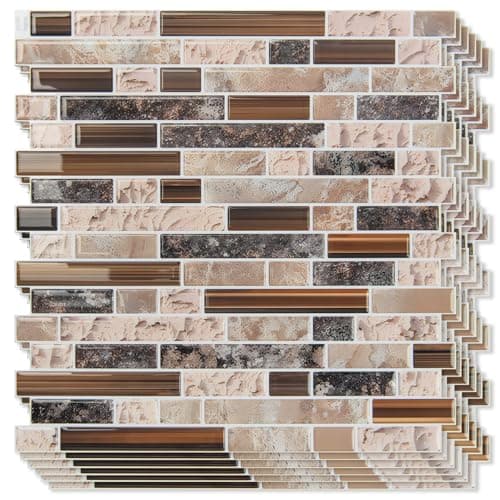
Art3d 10-Sheet Heavy-Duty Peel and Stick Backsplash, Waterproof Wall Tiles Stick on Kitchen Backsplash Living Space, Sandstone
$29.99
Shop Now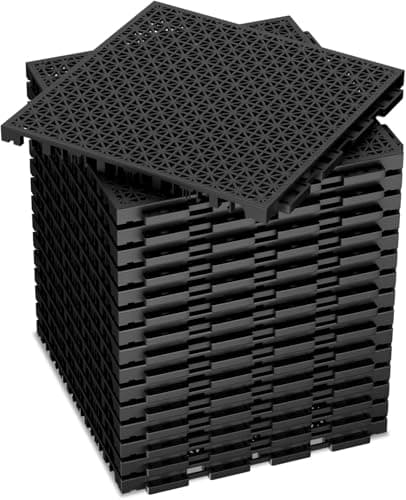
16 PCS Modular Interlocking Cushion Interlocking Floor Tiles with Hole Drainage Mat 10" x 10" Non Slip Pool Deck Mat Outdoor for Drain Deck Pool Patio Shower Kitchen Balcony (Black)
$27.56
Shop Now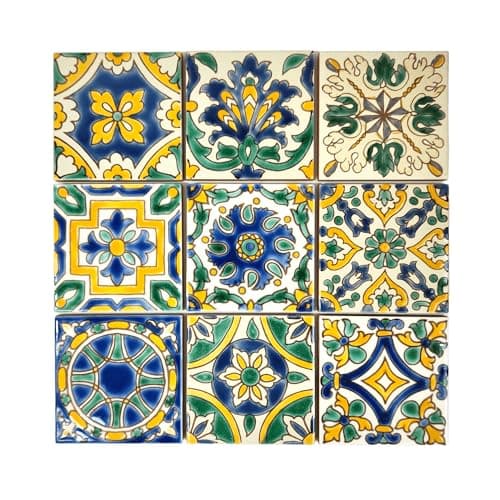
Set of 9 Decorative Ceramic Tiles – Hand Painted Indoor & Outdoor – Spanish Artisan Top Kitchen – Mediterranean Decorative Tilles 3.94x3.94 / One Tile – Durable Colorful – 140 g Each (Mediterranean)
$49.00
Shop NowAULIGET 20 Sheets Faux Stone Peel and Stick Backsplash, White Marble Look PVC Wall Tiles Stick on Backsplash for Kitchen
$35.99
Shop NowAULIGET 100 Piece Rust Slate Peel and Stick Backsplash Wall Tiles, 3" x 6" PVC Faux Stone Stick on Tiles for Backsplash Kitchen, Bathroom, Laundry Room, Camper, Fireplace
$44.99
Shop NowGoovilla Plastic Interlocking Deck Tiles, 9 Pack , 12"x12" Waterproof Outdoor Flooring All Weather Use, Patio Floor Decking Tiles for Porch Poolside Balcony Backyard, Dark Grey
$25.99
Shop NowArt3d 10-Sheet Heavy-Duty Peel and Stick Backsplash, Waterproof Wall Tiles Stick on Kitchen Backsplash Living Space, Sandstone
$29.99
Shop Now16 PCS Modular Interlocking Cushion Interlocking Floor Tiles with Hole Drainage Mat 10" x 10" Non Slip Pool Deck Mat Outdoor for Drain Deck Pool Patio Shower Kitchen Balcony (Black)
$27.56
Shop NowSet of 9 Decorative Ceramic Tiles – Hand Painted Indoor & Outdoor – Spanish Artisan Top Kitchen – Mediterranean Decorative Tilles 3.94x3.94 / One Tile – Durable Colorful – 140 g Each (Mediterranean)
$49.00
Shop NowPorcelain Tile for Outdoor Kitchens: The Performance Standard
Porcelain tile is widely regarded as the best overall tile material for outdoor kitchen applications because it combines exceptional durability, near-zero water absorption, frost resistance, and design versatility in a single product. Porcelain is manufactured by firing refined clay at temperatures between 2,200 and 2,500 degrees Fahrenheit under high pressure, producing a dense, vitrified body that is fundamentally different from standard ceramic tile. The key technical specification that distinguishes porcelain from ceramic is water absorption rate: porcelain absorbs less than 0.5 percent of its weight in water, as defined by ASTM C373 and ISO 10545-3, while ceramic tiles absorb 3 to 7 percent or more. This near-imperviousness to water makes porcelain inherently frost-proof because there is virtually no moisture within the tile body to expand and cause cracking during freeze-thaw cycles.
For outdoor kitchen countertops, large-format porcelain slabs measuring 4 by 8 feet or 5 by 10 feet with thicknesses of 6 to 12 millimeters have emerged as a direct competitor to natural stone slabs. Brands like Neolith, Dekton (by Cosentino), and SapienStone produce porcelain slab countertops that mimic the appearance of marble, granite, and concrete with remarkable accuracy while offering superior stain resistance, UV stability, and scratch hardness. These slabs cost $30 to $70 per square foot installed, positioning them between tile and granite in price while delivering arguably the best all-around performance of any outdoor countertop material. For island facades and backsplashes, standard porcelain tiles in 12-by-24-inch or 24-by-24-inch formats from Daltile, Marazzi, and MSI provide an attractive, durable surface at $4 to $15 per square foot. Look for tiles labeled as frost-proof or rated C3 or higher under the ISO 10545-12 frost resistance standard, and choose a through-body porcelain where the color extends through the entire tile thickness rather than just a printed surface layer, ensuring that any edge chips remain inconspicuous. If you are still exploring different setups, our main outdoor kitchen setup guide walks through every category and layout type.
Ceramic Tile for Outdoor Kitchens: Budget-Friendly but Limited
Ceramic tile offers the lowest entry price point for outdoor kitchen tiling at $2 to $8 per square foot, making it appealing for budget-conscious builders. However, ceramic tile's higher water absorption rate, typically 3 to 7 percent, creates significant limitations for outdoor use that every buyer should understand before committing. The fundamental issue is freeze-thaw vulnerability. In climates where temperatures regularly drop below 32 degrees Fahrenheit, water absorbed into the ceramic body expands as it freezes, creating internal pressure that causes the tile to crack, spall, or delaminate over one to five winter seasons. This makes standard ceramic tile unsuitable for outdoor kitchens in USDA Hardiness Zones 7 and below, which covers most of the continental United States north of the Carolinas and Southern California.
In warm climates that never experience freezing temperatures, such as Southern Florida, the Gulf Coast, Southern California, Hawaii, and the desert Southwest, ceramic tile performs adequately for outdoor kitchen applications at a fraction of porcelain's cost. The best outdoor-rated ceramic tiles for these climates have a water absorption rate below 3 percent and a textured or matte surface finish for slip resistance. Brands like Interceramic and Florida Tile offer outdoor-rated ceramic lines in these warm-climate markets. Even in frost-free climates, ceramic tile has additional limitations for outdoor kitchen use: it is softer than porcelain with a Mohs hardness of 5 to 6 versus porcelain's 7 to 8, meaning it scratches more easily from utensils, cookware, and cleaning tools. Ceramic is also less UV-stable than porcelain, and printed ceramic tiles can fade noticeably after five to eight years of direct sun exposure. For outdoor kitchen countertops specifically, ceramic is not recommended regardless of climate because the softer surface chips easily under the impact of dropped knives, pans, and bottles. Reserve ceramic tile for vertical surfaces like backsplashes and island facades where impact risk is minimal and the cost savings justify the material trade-offs.
Natural Stone Tile for Outdoor Kitchens: Slate, Travertine, and Granite Options
Natural stone tile brings an organic warmth and visual richness to outdoor kitchens that manufactured tiles cannot perfectly replicate. Each stone tile is genuinely unique, with natural variation in color, veining, and texture that creates a one-of-a-kind surface. However, natural stone tiles vary enormously in their suitability for outdoor kitchen use depending on the specific stone type, and choosing the wrong stone leads to rapid deterioration, staining, and costly replacement. Understanding the properties of each stone type is essential for making the right selection.
Granite tile is the most durable natural stone option for outdoor kitchens, with a water absorption rate of 0.1 to 0.4 percent that rivals porcelain, excellent frost resistance, high scratch hardness at 6 to 7 on the Mohs scale, and superior heat tolerance. Granite tiles in 12-by-12-inch or 12-by-24-inch formats cost $8 to $20 per square foot and are suitable for countertops, flooring, and all other outdoor kitchen surfaces in any climate. Slate tile offers a distinctive layered texture and earthy color palette in greens, grays, purples, and rust tones. Quality slate with a water absorption rate below 1 percent performs well outdoors, but lower-grade slate can absorb significantly more water and delaminate in freeze-thaw conditions. Budget $6 to $15 per square foot for outdoor-grade slate. Travertine tile is popular for its warm, Mediterranean aesthetic but requires careful selection for outdoor use. Travertine is naturally porous with absorption rates of 1 to 5 percent, meaning it must be sealed rigorously and is best suited for warm climates. Its soft surface (Mohs hardness 3 to 4) scratches and etches easily from acidic foods like lemon juice and tomato sauce, making it a poor choice for outdoor kitchen countertops. Marble should be avoided entirely in outdoor kitchens because it stains, etches, absorbs water, and deteriorates rapidly when exposed to weather, food acids, and grease.
Frost-Proof Ratings and Slip Resistance: Understanding Tile Performance Standards
Two technical specifications determine whether a tile is safe and durable for outdoor kitchen use: frost-proof rating and slip resistance coefficient. Understanding these ratings protects you from installing tiles that crack during the first winter or create hazardous slippery surfaces around your cooking area. Frost resistance is tested according to ISO 10545-12, which subjects tiles to 100 or more freeze-thaw cycles between minus 5 and plus 5 degrees Celsius while saturated with water. Tiles that survive without cracking, spalling, or loss of strength pass the test and are certified frost-proof. This certification is the minimum requirement for any tile used in an outdoor kitchen in climates that experience freezing temperatures. The safest approach is to select tiles with a water absorption rate below 0.5 percent, which corresponds to porcelain and high-quality granite, as these materials are inherently frost-proof regardless of certification status.
Slip resistance is measured by several standards depending on the market. In the United States, the DCOF (Dynamic Coefficient of Friction) test under ANSI A326.3 is the current standard. A DCOF AcuTest value of 0.42 or higher is required for level surfaces expected to be walked on when wet, which includes outdoor kitchen flooring and the patio surface surrounding your cooking station. For areas with higher slip risk, such as a step down from the cooking area or a transition from pool deck to kitchen, specify tiles with a DCOF of 0.55 or higher. European slip resistance is measured on the R-scale from R9 to R13, with R10 or higher recommended for outdoor kitchen areas and R11 or higher for areas regularly exposed to grease and water. Textured, matte, and structured tile surfaces consistently achieve higher slip resistance ratings than polished or glossy finishes. For outdoor kitchen countertops, slip resistance is less critical since you are placing items on the surface rather than walking on it, but a light texture helps prevent plates, cutting boards, and utensils from sliding off the counter during windy conditions, which is a practical consideration many builders overlook.
Large-Format Tiles and Porcelain Slabs for Outdoor Kitchen Countertops
Large-format porcelain tiles and full-size porcelain slabs have revolutionized outdoor kitchen countertop design by offering the seamless, grout-free appearance of natural stone at a competitive price with dramatically better performance. Traditional tile countertops require grout joints every 12 to 24 inches, which trap grease, stain easily, harbor bacteria, and require periodic resealing. Large-format tiles and slabs minimize or eliminate these joints, producing cleaner surfaces that are both easier to maintain and more visually appealing.
Large-format porcelain tiles in 24-by-48-inch or 32-by-32-inch sizes allow you to cover a standard 25-inch-deep countertop with just one tile front-to-back, eliminating grout lines entirely in that direction and requiring joints only along the length. At $8 to $20 per square foot, large-format tiles are the most affordable path to a near-seamless countertop surface. They require a perfectly flat substrate, so the island frame must be topped with a layer of three-quarter-inch cement board that has been leveled with a self-leveling compound or thinset skim coat before tile installation. Porcelain slab countertops from brands like Neolith and Dekton take this concept further by offering single pieces up to 5 by 10 feet, large enough to cover most outdoor kitchen island countertops without any joints at all. These slabs are fabricated using diamond-tipped CNC machines that cut sink and grill openings with precision, producing results that rival natural stone fabrication. Popular patterns include Calacatta marble look, Sahara Noir, cement gray, and weathered wood. Porcelain slab countertops cost $30 to $70 per square foot installed, which is comparable to granite but with superior UV stability, stain resistance, and maintenance simplicity. The material is also remarkably thin at 12 millimeters (about half an inch), which creates a sleek, modern profile when paired with a mitered edge treatment that makes the slab appear thicker from the front. For outdoor kitchens with a contemporary design language, porcelain slab countertops are increasingly the material of choice among professional designers.
Outdoor Kitchen Backsplash Tile Ideas and Installation Best Practices
A tile backsplash behind your outdoor kitchen grill, smoker, or prep area serves both practical and aesthetic purposes. Practically, the backsplash protects the wall structure behind your cooking zone from grease splatter, smoke residue, food stains, and water damage. A properly tiled backsplash wipes clean in seconds with a damp cloth, whereas unprotected stucco, stone veneer, or cement board surfaces absorb grease and develop permanent discoloration within months of regular cooking. Aesthetically, the backsplash is an opportunity to introduce color, pattern, and texture that differentiate your outdoor kitchen from every other one on the block.
Popular outdoor kitchen backsplash tile styles include subway tile in a running bond pattern, which creates a timeless, clean look using 3-by-6-inch or 4-by-12-inch porcelain tiles in white, gray, or warm neutral tones. Cost runs $3 to $8 per square foot for quality outdoor-rated porcelain subway tiles. Mosaic tile in 1-by-1-inch or 2-by-2-inch formats mounted on mesh backing sheets allows you to introduce geometric patterns, mixed materials like glass and stone, or accent colors that complement your countertop and island exterior. Mosaic backsplash tiles cost $8 to $25 per square foot and require more grout lines, so use an epoxy grout for maximum stain resistance. Stacked stone ledger panels create a textured, natural look using thin-cut natural stone or manufactured stone pieces mounted on a backing panel. These install quickly, look sophisticated, and cost $8 to $15 per square foot. For installation, always use a flexible, polymer-modified thinset mortar rated for exterior use, such as Mapei Kerabond T or Custom Building Products Versabond. Apply the thinset to both the substrate and the back of each tile using the double-butter method for maximum adhesion. Extend the backsplash at least 18 inches above the countertop behind the grill area and 12 inches in prep zones to capture the full splash zone from cooking and cleaning activities.
Grout Selection and Maintenance for Outdoor Kitchen Tile
Grout is the unsung critical component in any outdoor kitchen tile installation. The wrong grout choice or poor grout maintenance undermines even the finest tile selection, leading to cracked joints, stained lines, mold growth, and eventual tile loosening. For outdoor kitchen applications, there are three grout types to consider, and only two are recommended. Epoxy grout is the gold standard for outdoor kitchen tile installations. It is composed of epoxy resin and a hardener rather than the Portland cement used in conventional grouts, making it waterproof, stain-proof, chemical-resistant, and flexible enough to accommodate the thermal expansion that outdoor surfaces experience. Epoxy grout does not require sealing, does not absorb grease or food stains, and resists mold and mildew permanently. Brands like Laticrete SpectraLOCK and Mapei Kerapoxy offer epoxy grouts in dozens of colors at approximately $8 to $12 per pound, with a pound covering roughly 10 to 15 square feet of 12-by-12-inch tile with standard one-eighth-inch joints.
Polymer-modified sanded grout is the second acceptable option for outdoor kitchens, offering significantly better performance than unmodified grout at a lower cost than epoxy. The polymer additive improves flexibility, water resistance, and adhesion. Brands like Custom Building Products Prism and Mapei Keracolor U are popular choices at $15 to $25 for a 25-pound bag. Polymer-modified grout requires sealing with a penetrating grout sealer after curing and resealing annually for outdoor use. Standard unmodified cement grout should never be used in outdoor kitchen tile installations because it absorbs water, cracks from thermal movement, stains permanently from grease and food, and promotes mold growth in humid conditions. For grout joint width, use one-eighth inch for rectified (precision-cut) porcelain tiles and three-sixteenths to one-quarter inch for natural stone and non-rectified tiles. Narrower joints mean less grout surface exposed to stains and wear, which is particularly advantageous in a cooking environment where grease splatter is constant.
Long-Term Maintenance and Repair for Outdoor Kitchen Tile Surfaces
Maintaining outdoor kitchen tile surfaces requires a simple but consistent routine that prevents the gradual accumulation of grease, mineral deposits, and organic growth that dulls tile appearance over time. For routine cleaning, wipe down porcelain and ceramic tile surfaces with warm water and a pH-neutral tile cleaner like Aqua Mix Concentrated Stone and Tile Cleaner after each cooking session. For tougher grease buildup from grill splatter, use a non-abrasive degreaser like Krud Kutter or Simple Green diluted according to label instructions. Avoid acidic cleaners like vinegar or citrus-based products on natural stone tiles, as acids etch the surface of calcite-based stones including travertine, marble, and limestone. For natural stone tiles, use only stone-specific cleaners formulated with a neutral pH.
For deep cleaning every three to six months, apply a commercial tile and grout cleaner with a stiff nylon brush, working in small sections and rinsing thoroughly. If polymer-modified grout is used, reapply a penetrating grout sealer like Aqua Mix Sealer's Choice Gold once a year, or more frequently if you notice grout absorbing water rather than beading it. For tile repair, individual cracked or chipped tiles can be replaced without redoing the entire surface. Use a grout saw to remove grout around the damaged tile, then a cold chisel and hammer to carefully break out the tile without disturbing adjacent pieces. Clean the substrate, apply fresh thinset, set the replacement tile, and regrout after 24 hours. This is why purchasing 10 to 15 percent extra tile during the initial installation is essential: matching tiles years later is often impossible due to production lot variations in color and size. Grout repair involves removing loose or cracked grout to a depth of at least two-thirds the joint depth using a grout saw or oscillating tool with a grout removal blade, cleaning the joint thoroughly, and applying new grout. For outdoor kitchens, consider upgrading damaged cement-based grout joints to epoxy grout during repairs for improved long-term performance. Store leftover grout, thinset, and sealer in a climate-controlled space to ensure they remain usable for future repairs.
The details people ask about most:
Is porcelain tile frost-proof for outdoor kitchens?
Yes, porcelain tile with a water absorption rate below 0.5 percent is inherently frost-proof and suitable for outdoor kitchen use in all climates. Look for tiles certified under ISO 10545-12 frost resistance testing or labeled as frost-proof by the manufacturer. Through-body porcelain, where color extends through the full tile thickness, provides the best durability for outdoor applications.
What grout should I use for outdoor kitchen tile?
Epoxy grout is the best choice for outdoor kitchen tile because it is waterproof, stain-proof, and never requires sealing. Laticrete SpectraLOCK and Mapei Kerapoxy are leading brands at $8 to $12 per pound. Polymer-modified sanded grout is an acceptable budget alternative but requires annual resealing with a penetrating grout sealer. Never use standard unmodified cement grout outdoors.
How do you tile an outdoor kitchen countertop?
Install three-quarter-inch cement board over the island frame, level with thinset or self-leveling compound, apply polymer-modified exterior thinset mortar using the double-butter method, set tiles with one-eighth to one-quarter-inch spacers, and grout with epoxy or polymer-modified grout after 24 hours. Use large-format tiles to minimize grout lines, and install a bullnose or metal edge trim along exposed countertop edges.
What slip resistance rating do I need for outdoor kitchen tile?
Outdoor kitchen floor tile should have a DCOF (Dynamic Coefficient of Friction) AcuTest value of 0.42 or higher per ANSI A326.3. For areas near grills where grease may drip on the floor, a DCOF of 0.55 or higher is safer. On the European R-scale, specify R10 or higher for general outdoor kitchen areas and R11 for grease-prone cooking zones.
Can you use natural stone tile in an outdoor kitchen?
Granite tile is excellent for outdoor kitchens in all climates, with low water absorption and high durability. Quality slate with absorption below 1 percent also performs well. Travertine works in warm climates only and requires diligent sealing. Avoid marble entirely in outdoor kitchens because it stains, etches from food acids, absorbs water, and deteriorates rapidly when exposed to weather.
How much does it cost to tile an outdoor kitchen?
Outdoor kitchen tiling costs $2 to $8 per square foot for ceramic, $4 to $15 per square foot for standard porcelain, $8 to $20 per square foot for natural stone, and $30 to $70 per square foot for porcelain slab countertops. Add $5 to $10 per square foot for professional installation labor, plus $2 to $5 per square foot for grout, thinset, and substrate preparation materials.
How do you clean outdoor kitchen tile?
Wipe porcelain and ceramic tile with warm water and a pH-neutral tile cleaner after each cooking session. For grease buildup, use a non-abrasive degreaser like Krud Kutter or Simple Green. Clean natural stone with stone-specific neutral pH cleaners only, avoiding acidic products. Deep clean every three to six months with a commercial tile and grout cleaner and a stiff nylon brush.
Do you need to seal outdoor kitchen tile?
Porcelain tile does not require sealing due to its extremely low porosity. Natural stone tiles like granite, slate, and travertine should be sealed with a penetrating stone sealer before grouting and resealed annually. Grout requires sealing if you use polymer-modified cement grout. Epoxy grout never requires sealing. Apply sealers after the tile and grout have fully cured, typically 28 days after installation.
For the material and structural requirements in this guide, the residential requirements published by the International Code Council is the primary reference — and your inspector is the one who decides.
Frequently Asked Questions
01What is the best tile for outdoor kitchen countertops?
02Can you use ceramic tile in an outdoor kitchen?
This guide is part of Outdoor Kitchen Materials: What Survives Weather and What Only Looks Like It Will — the hub covering every materials & surfaces guide on Outdoor Kitchen Setup.
Related Guides
Written and edited by Sukie
Sukie is the editor behind Outdoor Kitchen Setup. They compile manufacturer specification sheets, published building codes, and industry sizing standards into the measurement and planning guides on this site, and check every figure against its original source before it goes live. Where a number varies by brand or by local code, the guides say so rather than presenting a single figure as universal.