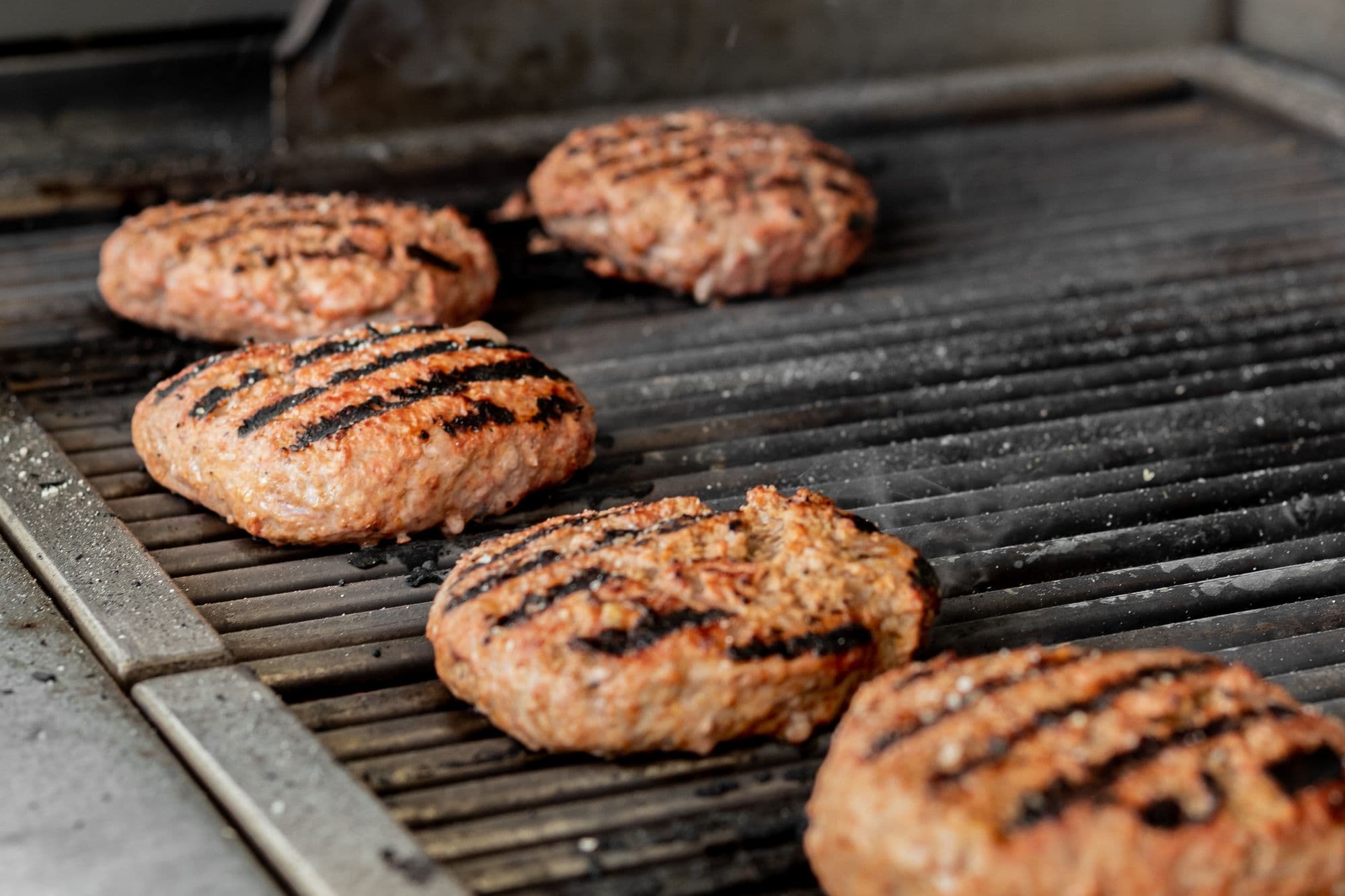
Outdoor Kitchen with Fireplace: Design Ideas, Placement Tips & Complete Planning Guide
Outdoor kitchen with fireplace builds combine two structures with very different code requirements — one drawing combustion air for grills, the other generating chimney draft for live flame — and the way you orient them…
Photo: Marcia Salido / Pexels (Pexels License)
Top picks for this build
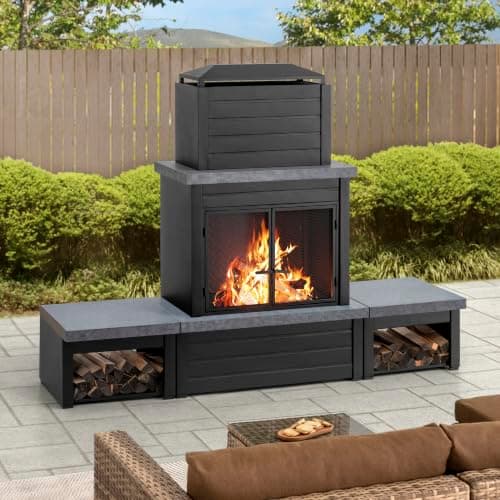
Sunjoy Wood Burning Fireplace – Matte Black Outdoor Steel Fireplace with Chimney, Log Holders, Fireplace Tool, and PVC Cover
See price on Amazon
Check price on Amazon: Sunjoy Wood Burning Fireplace – Matte Black Outdoor Steel Fireplace with Chimney, Log Holders, Fireplace Tool, and PVC Cover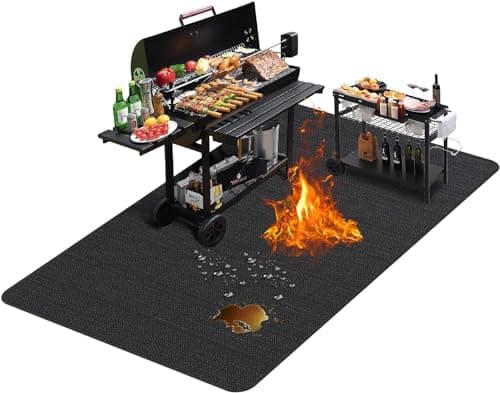
TAOMAND Large 76 x 52 inches Under Grill Mats for Outdoor Grill | Double-Sided Fireproof | Waterproof | Oil-Proof | Easy to Clean | Indoor Fireplace/Fire Pit Mat | Quality BBQ Mat for Deck Patio Lawn
$29.98
Check price on Amazon: TAOMAND Large 76 x 52 inches Under Grill Mats for Outdoor Grill | Double-Sided Fireproof | Waterproof | Oil-Proof | Easy to Clean | Indoor Fireplace/Fire Pit Mat | Quality BBQ Mat for Deck Patio Lawn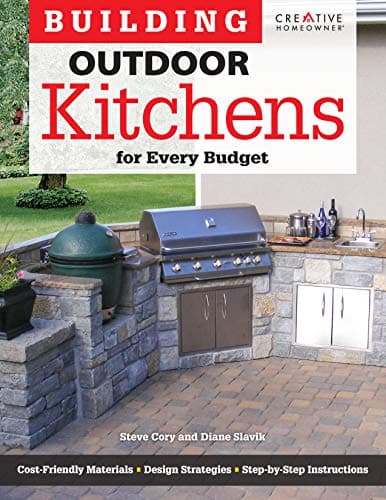
Building Outdoor Kitchens for Every Budget (Creative Homeowner) DIY Instructions and Over 300 Photos to Bring Attractive, Functional Kitchens within Reach of Budget-Conscious Homeowners
$23.70
Check price on Amazon: Building Outdoor Kitchens for Every Budget (Creative Homeowner) DIY Instructions and Over 300 Photos to Bring Attractive, Functional Kitchens within Reach of Budget-Conscious Homeowners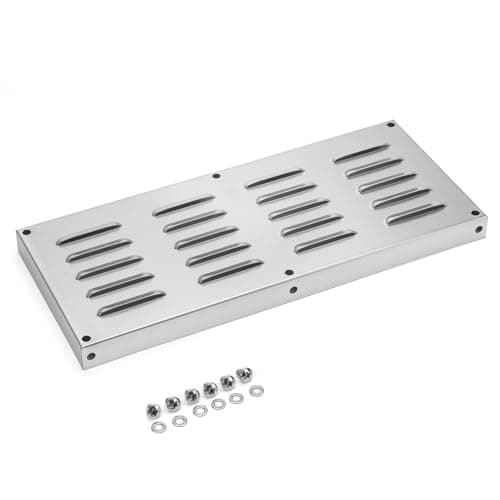
Skyflame Stainless Steel Cubic Venting Panel for Outdoor Masonry Fire Pits/Fireplaces and Kitchen Island 15-Inch by 6-1/2-Inch
$16.99
Check price on Amazon: Skyflame Stainless Steel Cubic Venting Panel for Outdoor Masonry Fire Pits/Fireplaces and Kitchen Island 15-Inch by 6-1/2-Inch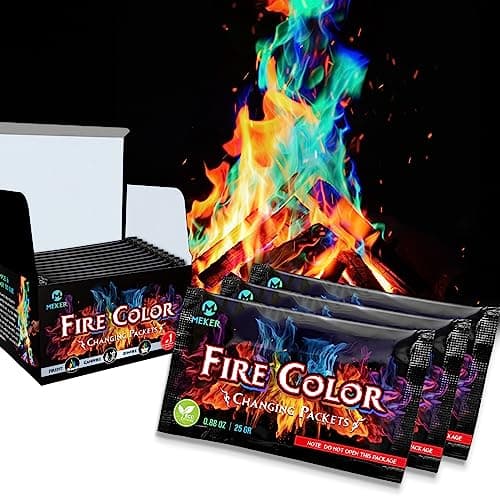
MEKER Fire Color Changing Packets - Fire Pit, Campfires, Outdoor Fireplaces, Bonfire - Magic Colorful Changing Fire - Perfect Fire Camping Accessories for Kids & Adults (12 Pack)
$7.95
Check price on Amazon: MEKER Fire Color Changing Packets - Fire Pit, Campfires, Outdoor Fireplaces, Bonfire - Magic Colorful Changing Fire - Perfect Fire Camping Accessories for Kids & Adults (12 Pack)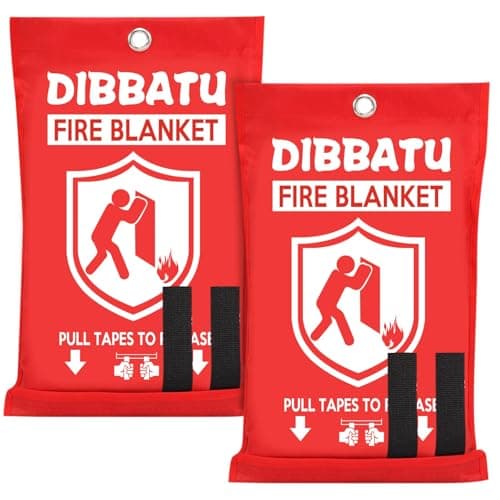
DIBBATU Emergency Fire Blanket, Fire Blankets Emergency for Outdoor Grill, Retardant for House, Fireproof Blanket for Home, Survival FireBlanket for Kitchen,Fireplace, BBQ
$14.98
Check price on Amazon: DIBBATU Emergency Fire Blanket, Fire Blankets Emergency for Outdoor Grill, Retardant for House, Fireproof Blanket for Home, Survival FireBlanket for Kitchen,Fireplace, BBQ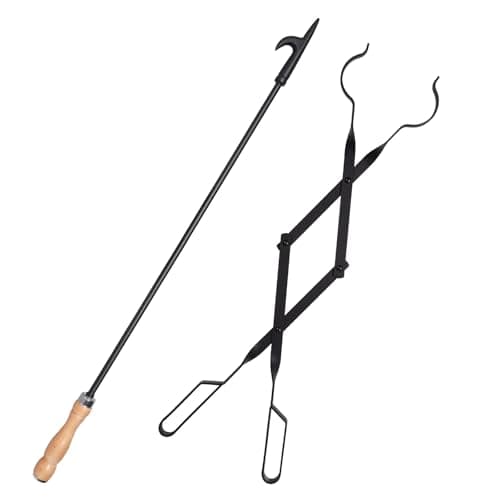
Heavy Duty 32” Long Fireplace Fire Pit Campfire Poker Stick and 26” Fireplace Tongs Tool Sets, Log Grabber, Rust Resistant Black Finish Camping Fireplace Tools for Indoor/Outdoor
$24.99
Check price on Amazon: Heavy Duty 32” Long Fireplace Fire Pit Campfire Poker Stick and 26” Fireplace Tongs Tool Sets, Log Grabber, Rust Resistant Black Finish Camping Fireplace Tools for Indoor/Outdoor
Fireplace Lanterns Decorative,Small Fake Fire Place,Flame Effect LED Fire Lamp,Battery Operated USB Charge Portable Fireplace,Indoor Outdoor Christmas Decoration (No Heater Function Black)
$25.99
Check price on Amazon: Fireplace Lanterns Decorative,Small Fake Fire Place,Flame Effect LED Fire Lamp,Battery Operated USB Charge Portable Fireplace,Indoor Outdoor Christmas Decoration (No Heater Function Black)Sunjoy Wood Burning Fireplace – Matte Black Outdoor Steel Fireplace with Chimney, Log Holders, Fireplace Tool, and PVC Cover
See price on Amazon
Check price on Amazon: Sunjoy Wood Burning Fireplace – Matte Black Outdoor Steel Fireplace with Chimney, Log Holders, Fireplace Tool, and PVC CoverTAOMAND Large 76 x 52 inches Under Grill Mats for Outdoor Grill | Double-Sided Fireproof | Waterproof | Oil-Proof | Easy to Clean | Indoor Fireplace/Fire Pit Mat | Quality BBQ Mat for Deck Patio Lawn
$29.98
Check price on Amazon: TAOMAND Large 76 x 52 inches Under Grill Mats for Outdoor Grill | Double-Sided Fireproof | Waterproof | Oil-Proof | Easy to Clean | Indoor Fireplace/Fire Pit Mat | Quality BBQ Mat for Deck Patio LawnBuilding Outdoor Kitchens for Every Budget (Creative Homeowner) DIY Instructions and Over 300 Photos to Bring Attractive, Functional Kitchens within Reach of Budget-Conscious Homeowners
$23.70
Check price on Amazon: Building Outdoor Kitchens for Every Budget (Creative Homeowner) DIY Instructions and Over 300 Photos to Bring Attractive, Functional Kitchens within Reach of Budget-Conscious HomeownersSkyflame Stainless Steel Cubic Venting Panel for Outdoor Masonry Fire Pits/Fireplaces and Kitchen Island 15-Inch by 6-1/2-Inch
$16.99
Check price on Amazon: Skyflame Stainless Steel Cubic Venting Panel for Outdoor Masonry Fire Pits/Fireplaces and Kitchen Island 15-Inch by 6-1/2-InchMEKER Fire Color Changing Packets - Fire Pit, Campfires, Outdoor Fireplaces, Bonfire - Magic Colorful Changing Fire - Perfect Fire Camping Accessories for Kids & Adults (12 Pack)
$7.95
Check price on Amazon: MEKER Fire Color Changing Packets - Fire Pit, Campfires, Outdoor Fireplaces, Bonfire - Magic Colorful Changing Fire - Perfect Fire Camping Accessories for Kids & Adults (12 Pack)DIBBATU Emergency Fire Blanket, Fire Blankets Emergency for Outdoor Grill, Retardant for House, Fireproof Blanket for Home, Survival FireBlanket for Kitchen,Fireplace, BBQ
$14.98
Check price on Amazon: DIBBATU Emergency Fire Blanket, Fire Blankets Emergency for Outdoor Grill, Retardant for House, Fireproof Blanket for Home, Survival FireBlanket for Kitchen,Fireplace, BBQHeavy Duty 32” Long Fireplace Fire Pit Campfire Poker Stick and 26” Fireplace Tongs Tool Sets, Log Grabber, Rust Resistant Black Finish Camping Fireplace Tools for Indoor/Outdoor
$24.99
Check price on Amazon: Heavy Duty 32” Long Fireplace Fire Pit Campfire Poker Stick and 26” Fireplace Tongs Tool Sets, Log Grabber, Rust Resistant Black Finish Camping Fireplace Tools for Indoor/OutdoorFireplace Lanterns Decorative,Small Fake Fire Place,Flame Effect LED Fire Lamp,Battery Operated USB Charge Portable Fireplace,Indoor Outdoor Christmas Decoration (No Heater Function Black)
$25.99
Check price on Amazon: Fireplace Lanterns Decorative,Small Fake Fire Place,Flame Effect LED Fire Lamp,Battery Operated USB Charge Portable Fireplace,Indoor Outdoor Christmas Decoration (No Heater Function Black)Prices and availability are accurate as of October 22, 2026, 11:45 AM UTC and are subject to change.
Gas vs Wood-Burning Fireplaces for Outdoor Kitchens: A Complete Comparison
The choice between a gas and wood-burning fireplace fundamentally shapes the design, cost, maintenance, and user experience of your outdoor kitchen with fireplace. Each fuel type has clear advantages and trade-offs that should align with your priorities.
Gas fireplaces (natural gas or propane) offer push-button convenience, instant ignition, adjustable flame height, and zero ash cleanup. They produce consistent, controllable heat output — typically 40,000 to 60,000 BTU for a standard outdoor unit — without the smoke, sparks, or creosote buildup associated with wood. Gas fireplaces from brands like Napoleon, Majestic, and Heat & Glo are available in both ventless (vent-free) and direct-vent configurations. Outdoor models are almost always direct-vent, drawing combustion air from outside and exhausting through a short horizontal or vertical vent. Installation requires a gas line run by a licensed plumber, costing $500 to $2,000 depending on distance from the gas meter. The fireplace units themselves range from $1,500 to $6,000, with total installed costs typically falling between $3,000 and $10,000.
Wood-burning fireplaces deliver the authentic experience — crackling sounds, the aroma of burning hardwood, dancing flames with natural unpredictability, and genuine radiant heat that warms a 15-to-20-foot radius. They also produce significantly more heat than gas units, often exceeding 100,000 BTU from a well-built fire. However, wood-burning fireplaces require a full masonry or prefabricated chimney (8 to 15 feet tall minimum), regular ash removal, annual chimney cleaning, and a supply of seasoned firewood. Construction costs for a custom wood-burning outdoor fireplace run $8,000 to $20,000 including the firebox, chimney, and stone or brick surround. Pair this guide with our broader outdoor kitchen setup overview for a complete picture of how this fits into a full backyard build.
Optimal Fireplace Placement in Your Outdoor Kitchen Layout
Where you position the fireplace relative to your cooking and dining areas determines both the functionality and the visual flow of your outdoor kitchen with fireplace. The three most common placement strategies are end-anchor, perpendicular wall, and opposite-end focal point.
The end-anchor placement positions the fireplace at one end of a linear or L-shaped outdoor kitchen, creating a natural progression from cooking zone to warming zone. This layout works exceptionally well for long, narrow patios and keeps the fireplace heat away from the refrigerator, ice maker, and cold-storage appliances at the opposite end. The fireplace wall extends upward as a visual anchor that defines the kitchen's boundary, and the hearth area can double as additional seating when the fire is not lit.
The perpendicular wall placement installs the fireplace on a wall that runs at a 90-degree angle to the main kitchen counters, creating a corner nook effect. This configuration is popular in L-shaped and U-shaped kitchen layouts because it wraps the fireplace warmth around the seating area while keeping it separate from the active cooking zone. The chimney structure also serves as a windbreak, shielding the cooking area from prevailing breezes.
The opposite-end focal point positions the fireplace directly across from the cooking area, typically 8 to 15 feet away, with a dining or lounge area in between. This creates a true outdoor room where guests can face the fire while the cook works behind them. This layout requires the most space — a minimum of 20 feet of depth from the grill line to the fireplace face — but delivers the most dramatic visual impact and the most comfortable social dynamic for entertaining.
Fireplace vs Fire Pit: Which Is Better for Your Outdoor Kitchen?
Both fireplaces and fire pits bring warmth and ambiance to an outdoor kitchen, but they serve different purposes and suit different layouts. Understanding the distinctions helps you choose the feature — or combination of features — that best fits your outdoor kitchen design.
An outdoor fireplace directs heat forward in a focused pattern, making it ideal for defined seating areas where people face one direction. The chimney draws smoke upward and away from guests, virtually eliminating the constant smoke-shifting problem that plagues open fire pits. Fireplaces also create a vertical architectural element that adds height and visual weight to your outdoor kitchen composition. The enclosed firebox is safer around children and pets because the fire is contained behind a screen or glass panel. On the downside, fireplaces cost two to five times more than fire pits, cannot be easily relocated, and provide warmth only to the people seated directly in front of them.
Fire pits — whether built-in, portable, or tabletop — radiate heat in 360 degrees, making them the superior choice for social gatherings where people sit in a circle. They cost significantly less: a quality propane fire pit table runs $500 to $2,000, while a built-in natural gas fire pit costs $1,500 to $5,000 installed. Fire pits integrate easily into existing patio layouts without the chimney construction required by fireplaces. However, open fire pits produce ground-level smoke that drifts into faces depending on wind direction, spark hazards from wood-burning models require a safety screen, and many HOAs and municipalities restrict open-flame fire pits more heavily than enclosed fireplaces.
Many high-end outdoor kitchen with fireplace designs incorporate both features — a fireplace anchoring the main kitchen structure and a fire pit table positioned 10 to 15 feet away in a secondary lounge area — creating two distinct gathering zones that serve different moods and group sizes.
Chimney Requirements and Venting for Outdoor Kitchen Fireplaces
The chimney is the most technically demanding component of an outdoor kitchen with fireplace, and getting it wrong creates safety hazards, poor draft performance, and potentially costly rebuilds. Requirements differ significantly between wood-burning and gas fireplaces.
Wood-burning fireplace chimneys must meet the following specifications per the International Residential Code (IRC) Section R1003: the chimney must extend at least 3 feet above the highest point where it passes through the roof (if covered) and at least 2 feet above any structure within 10 feet horizontally. For freestanding outdoor fireplaces without a roof, the general guideline is a minimum chimney height of 8 to 15 feet above the firebox floor to establish adequate draft. The flue liner must be made of clay tile, stainless steel, or poured-in-place refractory concrete. The interior flue dimensions should be approximately 1/10 to 1/12 of the firebox opening area — a standard 36-inch-wide by 28-inch-tall firebox opening (1,008 square inches) requires a flue of roughly 84 to 100 square inches, which translates to a 10-by-10 or 8-by-12-inch flue liner.
Gas fireplace venting is simpler. Outdoor-rated gas fireplaces are typically classified as direct-vent appliances with short venting runs. Many can vent horizontally through the back wall of the fireplace surround with a coaxial pipe that handles both exhaust and air intake. Vent pipe lengths range from 12 to 36 inches for most outdoor installations. Some outdoor gas fireplaces are rated as vent-free (ventless), meaning they require no chimney at all — the combustion products vent directly into the outdoor air. However, vent-free units are not legal in all states (California and several other states prohibit or restrict them), so verify local codes before selecting this option.
Materials and Design Styles for Outdoor Kitchen Fireplaces
The material choices for your outdoor kitchen with fireplace surround should complement your kitchen island, countertops, and overall landscape design while withstanding extreme heat exposure on the firebox side and weather exposure on the exterior.
Natural stone is the most popular surround material and delivers unmatched character. Stacked ledgestone in earth tones creates a rustic, mountain-lodge feel and costs $15 to $35 per square foot for the stone veneer plus $20 to $40 per square foot for installation. Full-thickness stone (4 to 8 inches) provides structural mass and heat retention but adds significant weight and cost. Flagstone, river rock, and fieldstone are also common choices, each bringing a distinct texture profile. For a cohesive design, use the same stone on both the fireplace surround and the outdoor kitchen island base.
Brick offers a traditional, timeless aesthetic that suits Colonial, Craftsman, and Mediterranean-style homes. Standard fire-rated brick costs $8 to $15 per square foot installed, making it one of the more affordable surround options. Thin brick veneer (half-inch thickness) adheres to a concrete block or metal stud frame and achieves the same look at lower weight and cost. Whitewashed or limewashed brick creates a transitional style that bridges rustic and modern design sensibilities.
Stucco and concrete deliver clean, modern lines for contemporary outdoor kitchen designs. A smooth trowel-finish stucco surround costs $6 to $12 per square foot and can be tinted to any color. Board-formed concrete creates dramatic textured surfaces where the wood grain pattern is imprinted into the concrete face. Porcelain panel cladding, a newer option using large-format sintered stone slabs from brands like Neolith or Dekton, offers ultra-modern aesthetics with excellent heat resistance and virtually zero maintenance. These panels run $25 to $60 per square foot but create a striking visual statement unlike any other material.
Safety Clearances and Setback Requirements for Outdoor Fireplaces
Fire safety is non-negotiable when designing an outdoor kitchen with fireplace, and building codes establish minimum clearances that you must follow to protect your home, guests, and neighboring properties. These requirements vary by jurisdiction but generally follow NFPA (National Fire Protection Association) standards and local fire marshal guidelines.
Distance from combustible structures: Most codes require a minimum clearance of 10 feet between an outdoor fireplace and any combustible wall, fence, or overhang. This means your fireplace cannot be positioned closer than 10 feet to a wood fence, vinyl siding, a wood-framed pergola, or tree branches. Some jurisdictions require 15 to 25 feet for wood-burning fireplaces. Non-combustible structures like concrete block walls or stone patios may have reduced clearance requirements.
Distance from the outdoor kitchen cooking area: Position the fireplace at least 4 to 6 feet from any grill, side burner, or gas-connected appliance. This separation prevents radiant heat from the fireplace from raising the temperature around gas connections and ensures the grill's own heat does not affect fireplace materials. The buffer zone also keeps the cook comfortable and prevents the two heat sources from creating an uncomfortably hot work area.
Overhead clearance: If your fireplace is beneath a covered patio or pergola, the chimney must extend above the roof structure, and combustible roofing materials (wood shingles, fabric canopies) must be at least 3 feet from the chimney exterior at any point. Non-combustible roofing (metal, concrete tile, polycarbonate) can be closer but should maintain a minimum 18-inch clearance from the chimney surface unless a UL-listed chimney system with specific reduced-clearance ratings is used.
Property line setbacks: Most zoning codes require outdoor fireplaces to be at least 10 to 15 feet from property lines, though some strict municipalities require 20 feet or more. Always verify with your local building department before finalizing placement.
Cost Breakdown: How Much Does an Outdoor Kitchen with Fireplace Cost?
Budgeting for an outdoor kitchen with fireplace requires understanding the costs of the fireplace component itself, the integration with the kitchen structure, and the associated infrastructure (gas lines, chimney construction, electrical for fans or ignition). Here is a detailed cost breakdown for 2026 pricing:
Prefabricated gas fireplace installation:
- Fireplace unit (outdoor-rated, 36 to 42 inch): $1,500 to $4,500
- Stone or brick surround and mantel: $2,000 to $6,000
- Gas line extension: $500 to $2,000
- Vent pipe and termination: $200 to $600
- Labor (mason, plumber, electrician): $2,000 to $5,000
- Total: $6,200 to $18,100
Custom wood-burning fireplace construction:
- Firebox (firebrick or refractory panel): $800 to $2,500
- Chimney construction (8 to 15 feet): $3,000 to $8,000
- Stone or brick surround: $3,000 to $10,000
- Concrete foundation and hearth pad: $1,000 to $3,000
- Mantel and decorative elements: $500 to $2,500
- Labor (mason, 2 to 4 weeks): $3,000 to $8,000
- Total: $11,300 to $34,000
When budgeting, remember that the fireplace cost is in addition to the outdoor kitchen itself. A mid-range outdoor kitchen running $15,000 to $25,000 plus a gas fireplace at $8,000 to $15,000 brings the total project to $23,000 to $40,000. Financing options through home equity lines of credit (HELOC) or contractor payment plans can spread the investment over time while you enjoy the space immediately.
Maintaining Your Outdoor Kitchen Fireplace Through Every Season
Proper maintenance ensures your outdoor kitchen with fireplace remains safe, efficient, and visually appealing for decades. Maintenance requirements differ between gas and wood-burning models but both demand regular attention.
Wood-burning fireplace maintenance: Schedule annual chimney cleaning by a CFIA-certified chimney sweep to remove creosote buildup, which can ignite and cause a chimney fire when deposits exceed 1/8 inch thickness. After each use, wait until ashes are completely cold (24 to 48 hours) before removal. Inspect the firebox mortar joints annually and repoint any cracks — water penetrating through cracked mortar freezes and causes rapid structural deterioration. Apply a silicone-based masonry water repellent to the exterior stonework every three to five years to prevent moisture absorption. Keep the chimney cap and spark arrestor screen clear of debris and bird nests.
Gas fireplace maintenance: Gas units require less frequent service but should not be neglected. Inspect the burner ports annually for insect nests and debris — spider webs inside burner ports are a common cause of ignition failure and uneven flame. Clean the ceramic logs, fire glass, or lava rocks each spring by removing them and brushing off soot and dust. Test the ignition system and thermocouple (safety shut-off sensor) before each season. Have a licensed gas technician inspect connections and test for leaks annually — a simple soap-bubble test on all fittings takes 15 minutes and prevents dangerous gas leaks.
Seasonal care for both types: Cover the fireplace opening with a fitted screen or cover during months of non-use to prevent animal entry, leaf accumulation, and water intrusion. In freeze-thaw climates, ensure the firebox drains properly and no standing water collects on the hearth. Before the first fire of each season, run a small test fire and observe the draft — smoke should be drawn cleanly into the chimney without spilling into the outdoor space. If draft is sluggish, the chimney may need cleaning or the cap may be partially blocked.
The layout clearances on this page are compiled from manufacturer documentation and the planning standards published by the National Kitchen & Bath Association; your local building department has the final word.
Frequently Asked Questions
01How much does it cost to add a fireplace to an outdoor kitchen?
02Is a gas or wood-burning fireplace better for an outdoor kitchen?
03How far should an outdoor fireplace be from the house?
04Do I need a permit for an outdoor fireplace?
05Can I put a fireplace under a covered patio or pergola?
06What is better for an outdoor kitchen — a fireplace or a fire pit?
07How tall does an outdoor fireplace chimney need to be?
08What materials work best for an outdoor fireplace surround?
09Can I convert an indoor fireplace design for outdoor use?
10How do I maintain an outdoor fireplace?
This guide is part of Outdoor Kitchen Layouts: Straight, L-Shape, U-Shape, and Galley Compared — the hub covering every design & layout guide on Outdoor Kitchen Setup.
Related Guides
Written and edited by Sukie
Sukie is the editor behind Outdoor Kitchen Setup. They compile manufacturer specification sheets, published building codes, and industry sizing standards into the measurement and planning guides on this site, and check every figure against its original source before it goes live. Where a number varies by brand or by local code, the guides say so rather than presenting a single figure as universal.