Outdoor Kitchen Cover Guide: Weatherproof Protection for Grills, Islands & Appliances
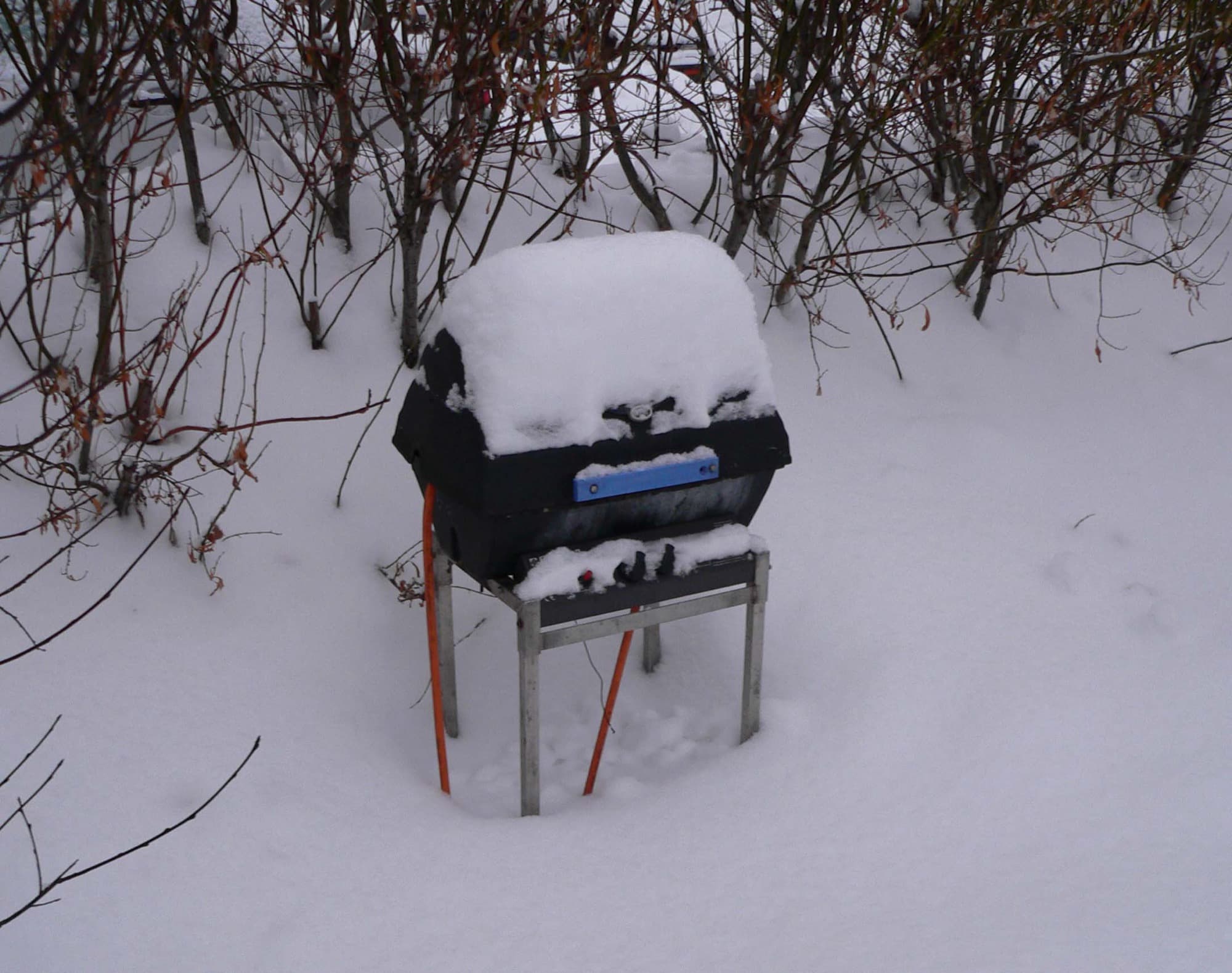
Outdoor kitchen cover decisions look small next to a $20,000 island build, yet a $150 cover is often the difference between an appliance that lasts 12 years and one that fails in 4 — making this the highest-ROI accessory you can buy.
Photo: Ævar Arnfjörð Bjarmason / Wikimedia Commons (Public domain)
Top picks for this build
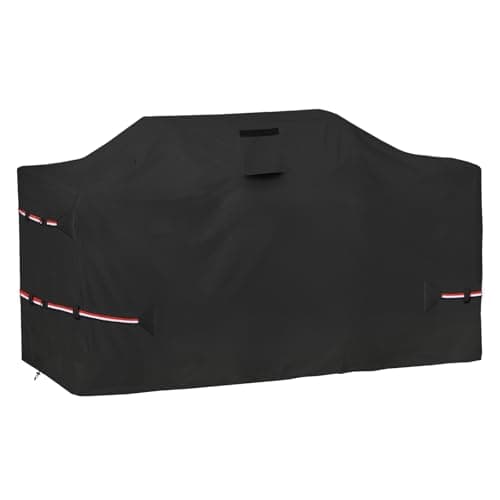
Osileyo 98 Inch Island Grill Cover - 600D Heavy Duty Waterproof All Weather Protection Outdoor Cover,Black
$55.99
Check price on Amazon: Osileyo 98 Inch Island Grill Cover - 600D Heavy Duty Waterproof All Weather Protection Outdoor Cover,Black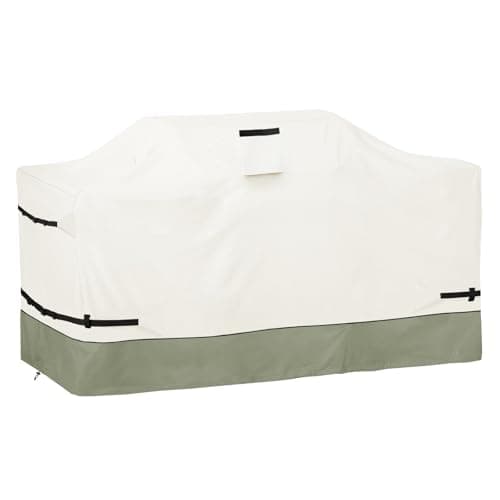
Osileyo 98 Inch Island Grill Cover - 600D Heavy Duty Waterproof All Weather Protection Outdoor Cover,Beige&Grayish Green
$54.99
Check price on Amazon: Osileyo 98 Inch Island Grill Cover - 600D Heavy Duty Waterproof All Weather Protection Outdoor Cover,Beige&Grayish Green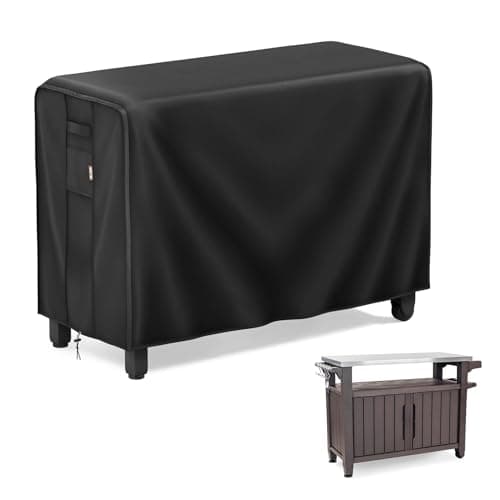
MR. COVER Outdoor prep table cover 52 inch for Keter Unity XL Outdoor Rolling Table Cart, 600D Heavy Duty Waterproof for Grill Dining Kitchen Island cart Protective, Outdoor Storage Cabinet Cover
$35.99
Check price on Amazon: MR. COVER Outdoor prep table cover 52 inch for Keter Unity XL Outdoor Rolling Table Cart, 600D Heavy Duty Waterproof for Grill Dining Kitchen Island cart Protective, Outdoor Storage Cabinet Cover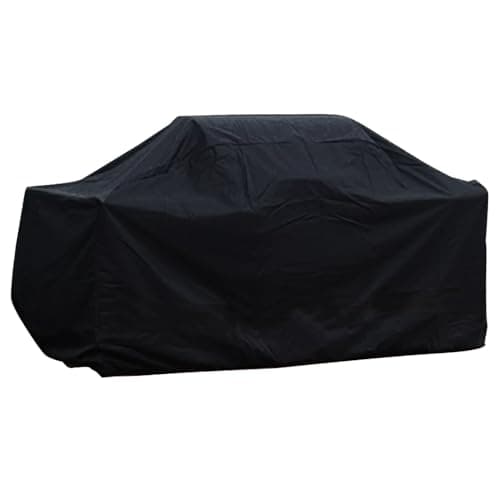
Sbaqurizz Stone Patio Grill Island Cover Waterproof 132 Inch Outdoor Kitchen Island BBQ Grill Cover for Heavy Duty Stainless Steel Outdoor Kitchen Set
$163.99
Check price on Amazon: Sbaqurizz Stone Patio Grill Island Cover Waterproof 132 Inch Outdoor Kitchen Island BBQ Grill Cover for Heavy Duty Stainless Steel Outdoor Kitchen Set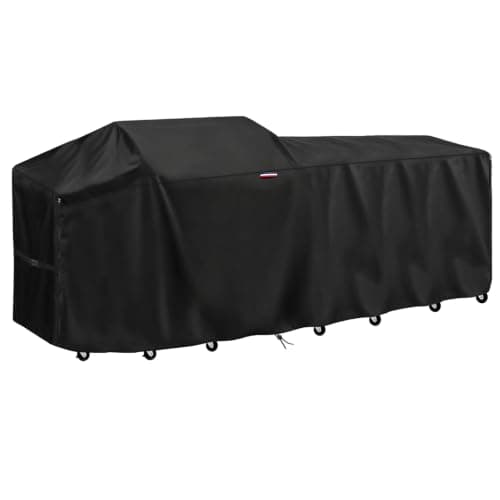
Agustone 132 Inch Island Grill Cover, Outdoor Kitchen BBQ Waterproof Cover
$109.99
Check price on Amazon: Agustone 132 Inch Island Grill Cover, Outdoor Kitchen BBQ Waterproof Cover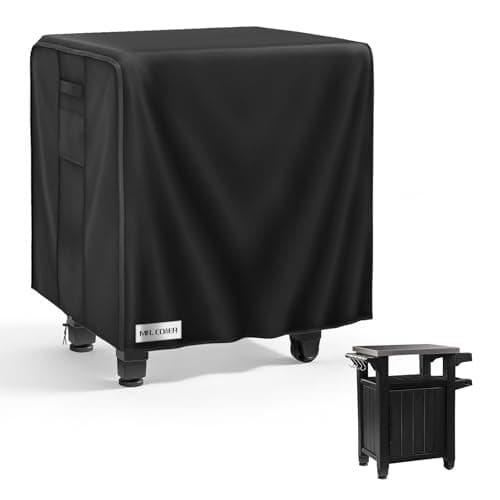
MR. COVER Outdoor Prep Table Cover, Compatible with 36 inch Keter Unity Small Portable Table, 600D Heavy Duty Waterproof for Grill Dining Kitchen Island Cart Protective, Outdoor Storage Cabinet Cover
$28.99
Check price on Amazon: MR. COVER Outdoor Prep Table Cover, Compatible with 36 inch Keter Unity Small Portable Table, 600D Heavy Duty Waterproof for Grill Dining Kitchen Island Cart Protective, Outdoor Storage Cabinet Cover
Mont Alpi All Weather Cover for 6-Burner 132"W Original Deluxe Black 805 Series Outdoor Kitchen Island with Beverage Center - MAi805-BEV / MAi805-DBEV / MAi805-BSSBEV / MAi805-DBEVFC / MAi805-BSSBEVFC
$300.00
Check price on Amazon: Mont Alpi All Weather Cover for 6-Burner 132"W Original Deluxe Black 805 Series Outdoor Kitchen Island with Beverage Center - MAi805-BEV / MAi805-DBEV / MAi805-BSSBEV / MAi805-DBEVFC / MAi805-BSSBEVFCOsileyo 98 Inch Island Grill Cover - 600D Heavy Duty Waterproof All Weather Protection Outdoor Cover,Black
$55.99
Check price on Amazon: Osileyo 98 Inch Island Grill Cover - 600D Heavy Duty Waterproof All Weather Protection Outdoor Cover,BlackOsileyo 98 Inch Island Grill Cover - 600D Heavy Duty Waterproof All Weather Protection Outdoor Cover,Beige&Grayish Green
$54.99
Check price on Amazon: Osileyo 98 Inch Island Grill Cover - 600D Heavy Duty Waterproof All Weather Protection Outdoor Cover,Beige&Grayish GreenMR. COVER Outdoor prep table cover 52 inch for Keter Unity XL Outdoor Rolling Table Cart, 600D Heavy Duty Waterproof for Grill Dining Kitchen Island cart Protective, Outdoor Storage Cabinet Cover
$35.99
Check price on Amazon: MR. COVER Outdoor prep table cover 52 inch for Keter Unity XL Outdoor Rolling Table Cart, 600D Heavy Duty Waterproof for Grill Dining Kitchen Island cart Protective, Outdoor Storage Cabinet CoverSbaqurizz Stone Patio Grill Island Cover Waterproof 132 Inch Outdoor Kitchen Island BBQ Grill Cover for Heavy Duty Stainless Steel Outdoor Kitchen Set
$163.99
Check price on Amazon: Sbaqurizz Stone Patio Grill Island Cover Waterproof 132 Inch Outdoor Kitchen Island BBQ Grill Cover for Heavy Duty Stainless Steel Outdoor Kitchen SetAgustone 132 Inch Island Grill Cover, Outdoor Kitchen BBQ Waterproof Cover
$109.99
Check price on Amazon: Agustone 132 Inch Island Grill Cover, Outdoor Kitchen BBQ Waterproof CoverMR. COVER Outdoor Prep Table Cover, Compatible with 36 inch Keter Unity Small Portable Table, 600D Heavy Duty Waterproof for Grill Dining Kitchen Island Cart Protective, Outdoor Storage Cabinet Cover
$28.99
Check price on Amazon: MR. COVER Outdoor Prep Table Cover, Compatible with 36 inch Keter Unity Small Portable Table, 600D Heavy Duty Waterproof for Grill Dining Kitchen Island Cart Protective, Outdoor Storage Cabinet CoverMont Alpi All Weather Cover for 6-Burner 132"W Original Deluxe Black 805 Series Outdoor Kitchen Island with Beverage Center - MAi805-BEV / MAi805-DBEV / MAi805-BSSBEV / MAi805-DBEVFC / MAi805-BSSBEVFC
$300.00
Check price on Amazon: Mont Alpi All Weather Cover for 6-Burner 132"W Original Deluxe Black 805 Series Outdoor Kitchen Island with Beverage Center - MAi805-BEV / MAi805-DBEV / MAi805-BSSBEV / MAi805-DBEVFC / MAi805-BSSBEVFCPrices and availability are accurate as of October 22, 2026, 11:45 AM UTC and are subject to change.
Why Every Outdoor Kitchen Needs a Dedicated Cover System
Many homeowners assume that a covered patio or pergola eliminates the need for individual the covers, but that is a dangerous misconception. A pergola with open rafters blocks less than 30 percent of rainfall during a wind-driven storm, and even a solid patio roof leaves your equipment vulnerable to blown rain, humidity, condensation, and pollen accumulation. An cover works as a last line of defense that sits directly on your grill, island, or appliance, creating a sealed barrier against moisture intrusion.
The financial case for covers is compelling. A 36-inch built-in grill from brands like Napoleon, Weber, or Bull costs $1,500 to $5,000. Replacing corroded burners, heat plates, and ignition systems on an unprotected grill runs $200 to $600 every two to three years. A $60 to $120 fitted grill cover eliminates that recurring expense entirely. For full island covers, the math is even more dramatic — resealing or replacing a cracked granite countertop costs $800 to $2,500, while a $150 to $300 island cover prevents the moisture penetration that causes the damage in the first place. Beyond financial protection, the covers keep your cooking surfaces sanitary by blocking animal droppings, insect nests, leaf litter, and dust, so you spend less time cleaning and more time cooking when you fire up your outdoor kitchen. For a full overview of every component, layout option, and design path, see our complete outdoor kitchen setup guide.
Outdoor Kitchen Cover Materials: Polyester, Vinyl, Canvas, and More
The fabric you choose for your cover determines how well it resists water, UV rays, tearing, and temperature extremes. 600-denier polyester is the most common material in mid-range the covers. It is lightweight, affordable, and resists mildew when treated with a water-repellent coating like polyurethane or PVC backing. Brands like Classic Accessories and Covermates use 600D polyester with reinforced seams and typically price their covers between $40 and $150. The main drawback is that polyester degrades under prolonged UV exposure, losing its waterproof coating after two to four years in intense sun zones like Arizona or South Florida.
Heavy-duty vinyl (often listed as PVC-coated polyester) offers superior waterproofing and is the material of choice for commercial-grade the covers. Vinyl covers from brands like Coverstore and KoverRoos range from $80 to $250 and resist standing water, ice, and salt spray better than any other fabric. However, vinyl is heavier, less breathable, and can trap condensation underneath if the cover lacks ventilation vents.
Solution-dyed acrylic canvas, the same material used in high-end boat covers and Sunbrella awnings, represents the premium tier. Canvas covers breathe naturally, resist UV fading for eight to ten years, and develop a soft patina rather than cracking. Expect to pay $150 to $400 for a canvas the cover, but the longevity often makes it the cheapest option per year of service. Some manufacturers also use Sunbrella marine-grade fabric specifically for outdoor kitchen applications, offering a 10-year fade warranty and exceptional water resistance when paired with a DWR (durable water repellent) finish.
Custom-Fit vs Universal Outdoor Kitchen Covers: Which to Choose
The fit of your cover affects both protection quality and day-to-day usability. Custom-fit covers are tailored to the exact dimensions of your specific grill model, island configuration, or appliance. Most major grill manufacturers — including Weber, Napoleon, Lynx, DCS, and Blaze — sell OEM covers designed for their specific models, typically ranging from $60 to $200 for a single grill cover. Custom covers hug the contours of your equipment tightly, eliminating billowing in wind and preventing water from pooling on flat surfaces. They also look neater and more professional than baggy universal alternatives.
Universal-fit covers are sized by general dimensions (for example, 60 inches wide by 24 inches deep by 48 inches tall) and are designed to fit a range of grills or islands within that size bracket. They cost 20 to 40 percent less than custom covers and are widely available from brands like Classic Accessories Veranda, Duck Covers, and Unicook. The tradeoff is that universal covers rarely fit perfectly — excess fabric collects water, flaps in wind, and can rub against surfaces causing abrasion marks.
For built-in grills and drop-in appliances, always choose the manufacturer's OEM cover or a third-party custom cover measured to your exact cutout dimensions. For full island covers, custom is strongly recommended because island shapes vary dramatically — a standard rectangular cover will not properly protect an L-shaped or curved island. Companies like CoverBonanza and The Cover Store offer made-to-measure island covers starting around $200, with turnaround times of two to three weeks.
UV Protection Ratings and Fade Resistance for Outdoor Kitchen Covers
Ultraviolet radiation is a silent destroyer of the covers and the equipment beneath them. A cover with poor UV resistance becomes brittle, cracks along fold lines, and loses its waterproof properties within one to two seasons in high-UV regions. When shopping for an cover, look for a UPF (Ultraviolet Protection Factor) rating of 50 or higher, which blocks 98 percent of UV-A and UV-B radiation. This rating is especially critical in the Sun Belt states — Texas, Florida, Arizona, Nevada, and Southern California — where annual UV index averages exceed 7 on the EPA scale.
Solution-dyed fabrics outperform surface-dyed materials by a wide margin because the color pigment is embedded into the fiber during manufacturing rather than applied afterward. This means the color cannot be stripped away by sun exposure. Sunbrella fabric, for example, uses solution-dyeing and carries a 10-year warranty against fading. Covermates' Elite series uses a similar process with their Marinex fabric, offering an 8-year UV warranty.
Even with high UV ratings, cover placement matters. If your outdoor kitchen faces south or west and receives direct afternoon sun — the most damaging UV window between 2 PM and 5 PM — your cover will degrade faster than one in a shaded or north-facing location. In these high-exposure scenarios, consider layering protection: use a structural shade element like a pergola with polycarbonate roof panels to block the majority of UV, and then use a fitted the cover underneath as secondary protection. This dual-layer approach can extend cover life by three to five additional years.
Ventilation, Straps, and Fastening Systems That Prevent Damage
A common mistake with the covers is choosing one that seals too tightly without ventilation. Trapped moisture beneath a non-breathable cover creates a humid microclimate that accelerates rust, mold growth, and surface staining — sometimes worse than leaving the equipment uncovered entirely. Quality the covers address this with built-in mesh ventilation vents, usually positioned on two or more sides near the top of the cover. These vents allow air circulation while keeping rain and debris out. Look for covers with at least two vents, each measuring 3 by 6 inches or larger.
Fastening systems determine whether your cover stays put during storms or ends up in your neighbor's yard. The most secure options include:
- Elastic hems with drawstring closures — common on grill covers, these cinch tight around the base and are easy to remove. Effective in moderate wind up to about 25 mph.
- Velcro straps with buckle clips — these attach to the underside of the cover and clip beneath the island or grill body. Effective in wind up to 40 mph.
- D-ring tie-downs with bungee cords — the most secure option for storm-prone areas. D-rings sewn into the cover corners connect to anchor points on the island base or ground stakes. Rated for wind gusts up to 60 mph when properly secured.
For regions prone to hurricanes or severe thunderstorms — such as the Gulf Coast, Atlantic seaboard, and Tornado Alley — invest in covers with reinforced grommets at all four corners and pair them with heavy-duty bungee ball cords or ratchet straps that can withstand extreme wind loads.
Top Outdoor Kitchen Cover Brands Compared for 2026
The cover market has matured significantly, and several brands now specialize in high-performance covers designed specifically for outdoor cooking equipment. Here is how the leading options compare:
Classic Accessories Ravenna and Veranda Series — the most widely available and affordable option, sold at Home Depot, Amazon, and Lowe's. Ravenna covers use a Gardelle fabric system with a water-resistant top panel and breathable side vents. Prices range from $30 for a small grill cover to $130 for a full island cover. They include a 3-year warranty and perform well in moderate climates but may need replacement every two to three years in extreme sun or rain regions.
Covermates Elite — a step up in material quality, using 300-denier stock-dyed polyester with mesh vents and reinforced handles. The Elite series is specifically designed for outdoor kitchen components with SKUs for built-in grills, side burners, access doors, and full islands. Prices range from $50 to $250 with a 4-year warranty.
KoverRoos Weathermax — uses a proprietary Weathermax 80 fabric that is both breathable and waterproof, a combination most competitors cannot match. KoverRoos covers are made in the USA and come with a 5-year warranty. They cost $70 to $350 depending on size but consistently earn top ratings for durability and fit.
OEM Manufacturer Covers from Weber, Napoleon, Lynx, and Blaze — always the best fit for their respective products. Weber's premium covers use a heavy nylon exterior with a soft felt lining that prevents scratching. Napoleon's PRO series covers feature reinforced polyester with UV inhibitors. These typically cost $80 to $200 per component and are the recommended choice when available for your specific model.
How to Measure Your Outdoor Kitchen for the Right Cover Size
Accurate measurements are the difference between an cover that protects your investment and one that pools water, flaps in the wind, or leaves equipment partially exposed. Follow this measurement protocol for precise sizing:
For built-in grill covers, measure the grill head only (not the entire island). Measure width from the left side handle to the right side handle, depth from the front edge to the back of the grill lid when closed, and height from the top of the countertop surface to the highest point of the closed lid. Add 1 inch to each dimension for a comfortable fit that allows easy on-and-off removal. Most built-in grills measure 30 to 42 inches wide, 20 to 27 inches deep, and 12 to 18 inches tall above the countertop.
For full island covers, measure the entire island structure including any overhanging countertop edges. Measure the total width at the widest point, total depth at the deepest point (including countertop overhang), and total height from the ground to the highest point on the island — usually the top of the grill lid. For L-shaped or U-shaped islands, you will likely need two separate covers or a custom-tailored cover that follows the contour. Sketch your island shape on paper with all dimensions labeled and submit it to a custom cover manufacturer.
For individual appliance covers like side burners, access doors, refrigerators, and trash drawers, measure the visible face dimensions plus depth. Most brands sell these as accessory covers matched to specific model numbers, so having your appliance make and model on hand simplifies the process considerably. Always err slightly larger rather than smaller — a cover that is half an inch too big works fine, but one that is half an inch too small will not fit at all.
Seasonal Cover Maintenance and When to Replace Your Outdoor Kitchen Cover
Even the best the cover requires periodic maintenance to deliver its full lifespan. At minimum, clean your covers every three months using a solution of mild dish soap and warm water, scrubbing gently with a soft-bristle brush. Rinse thoroughly and allow the cover to air dry completely before placing it back on the equipment — putting a damp cover on stainless steel is a recipe for water spots and surface rust. For canvas and Sunbrella covers, use a dedicated fabric cleaner like 303 Fabric Guard or Star Brite Waterproofing Spray after each cleaning to restore the DWR coating that repels water.
Inspect your outdoor kitchen cover at the start and end of each grilling season for these warning signs that indicate it is time for replacement:
- Visible cracking or flaking along fold lines or stress points — this means the waterproof coating has broken down and the cover is no longer water-resistant.
- Faded color that has lightened by 50 percent or more — UV degradation has compromised the fabric fibers.
- Torn seams or frayed stitching — patching is a temporary fix, but once seams start failing, the cover is nearing end of life.
- Persistent mold or mildew stains that do not respond to cleaning — the fabric's antimicrobial treatment has worn off.
- Elastic or straps that have lost tension — the cover can no longer stay securely in place during wind events.
As a general rule, polyester covers last two to four years in moderate climates, vinyl covers last three to five years, and canvas or Sunbrella covers last six to ten years. Replacing a worn cover promptly is always cheaper than repairing the equipment damage that a failed cover would have prevented. Budget $50 to $200 per year for cover replacement across your entire outdoor kitchen setup, and consider keeping a spare set on hand so you can rotate them while cleaning.
Loose ends worth tying off:
Are expensive outdoor kitchen covers worth the extra cost?
Yes, when calculated on a per-year basis. A $40 polyester cover lasting three years costs about $13 per year. A $200 Sunbrella canvas cover lasting eight years costs $25 per year but provides significantly better UV resistance, breathability, and waterproofing throughout its life. For outdoor kitchens valued at $10,000 or more, the premium cover investment is minor compared to the equipment protection it provides.
Can I wash my outdoor kitchen cover in a washing machine?
Most manufacturers advise against machine washing because the agitation can damage waterproof coatings, seam sealant, and structural fibers. Instead, hand wash with mild dish soap and warm water using a soft-bristle brush. Rinse thoroughly with a garden hose and air dry completely before reapplying. After cleaning, reapply a fabric waterproofing spray like 303 Fabric Guard to restore the water-repellent finish.
Do I need separate covers for each outdoor kitchen appliance?
You have two options: individual appliance covers or a single full-island cover. Individual covers protect each component precisely and are easier to remove when you only need one appliance. A full island cover protects everything including countertops and cabinet faces but is bulkier to handle. Many homeowners use a full island cover for extended off-season storage and individual grill and appliance covers during active grilling season.
Treat the structural and weather requirements here as a planning starting point and the residential code requirements maintained by the International Code Council as the authority, since local amendments are common.
Frequently Asked Questions
01What is the best material for an outdoor kitchen cover?
02Should I buy a custom or universal outdoor kitchen cover?
03How often should I replace my outdoor kitchen cover?
04Do outdoor kitchen covers cause rust from trapped moisture?
05Can I leave my outdoor kitchen uncovered under a patio roof?
06How do I keep my outdoor kitchen cover from blowing away?
07What size outdoor kitchen cover do I need?
This guide is part of Outdoor Kitchen Weather Protection: Covers, Roofs, and Winterising — the hub covering every covers & protection guide on Outdoor Kitchen Setup.
Related Guides
Written and edited by Sukie
Sukie is the editor behind Outdoor Kitchen Setup. They compile manufacturer specification sheets, published building codes, and industry sizing standards into the measurement and planning guides on this site, and check every figure against its original source before it goes live. Where a number varies by brand or by local code, the guides say so rather than presenting a single figure as universal.