Outdoor Kitchen Cabinets: Material Comparisons, Weather Resistance & Top Picks
Outdoor kitchen cabinets must endure UV, rain, and 100°F+ heat. Compare 304 stainless, marine polymer HDPE, and treated wood at $250 to $1,200 per linear foot.
By Sukie
Editor · compiles manufacturer specs and building-code references into the measurement guides on this site
Top Picks: Best Outdoor Kitchen Cabinets: Material Comparisons, Weather Resistance & Top Picks in 2026
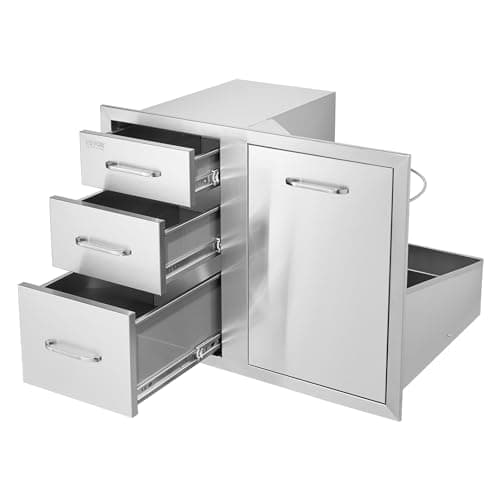
VEVOR Stainless Steel Cabinet, Outdoor Kitchen Door Drawer Combo 29.5" W x 22.6" H x 21.7" D, Access Door/Triple Drawers, Propane Drawer, Adjustable Garbage Ring, BBQ Island Patio Grill Station
$341.99
Shop Now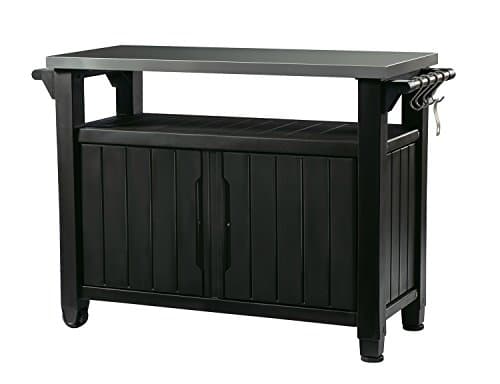
Keter Unity XL Portable Outdoor Table with Stainless Steel Top for Kitchen Prep and Outdoor Storage Cabinet for Grilling Accessories, Dark Grey
$220.99
Shop Now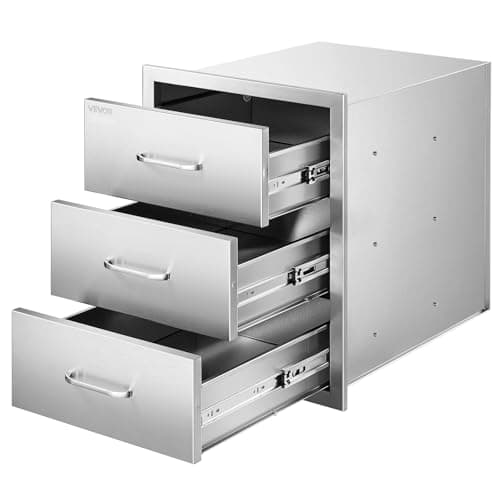
VEVOR Outdoor Kitchen Drawers 18.11" W x 23.23" D x 23.23" H, Triple-Access Stainless Steel Modular Drawer Cabinet with Handles, BBQ Island Drawer for Outdoor Kitchen or BBQ Island Patio Grill Station
$145.90
Shop NowVEVOR Stainless Steel Cabinet, Outdoor Kitchen Door Drawer Combo 29.5" W x 22.6" H x 21.7" D, Access Door/Triple Drawers, Propane Drawer, Adjustable Garbage Ring, BBQ Island Patio Grill Station
$341.99
Shop NowKeter Unity XL Portable Outdoor Table with Stainless Steel Top for Kitchen Prep and Outdoor Storage Cabinet for Grilling Accessories, Dark Grey
$220.99
Shop NowVEVOR Outdoor Kitchen Drawers 18.11" W x 23.23" D x 23.23" H, Triple-Access Stainless Steel Modular Drawer Cabinet with Handles, BBQ Island Drawer for Outdoor Kitchen or BBQ Island Patio Grill Station
$145.90
Shop NowStainless Steel Outdoor Kitchen Cabinets: Pros, Cons, and Best Brands
Stainless steel is the gold standard for outdoor kitchen cabinets, and for good reason. Grade 304 stainless steel resists rust, does not warp in extreme heat, repels mold and mildew, and cleans easily with soap and water. The gauge of the steel matters significantly: look for 16-gauge or 18-gauge construction for door panels and frames. Thinner 20-gauge steel dents more easily and may buckle over time in high-wind areas. Leading manufacturers include Danver, which has been producing stainless outdoor cabinets for over 20 years and offers fully welded construction with soft-close hinges and 500-pound-rated drawer slides.
Challenger Designs is another top brand, offering a modular system that ships flat-packed and assembles with hand tools, making it a popular choice for DIY installers. Prices for a complete Challenger base cabinet start around $800. Urban Bonfire targets the luxury segment with cabinets featuring integrated lighting, cable management systems, and antimicrobial powder-coated finishes in over 30 color options. The main drawback of stainless steel the cabinets is fingerprint visibility and the potential for surface scratching. Brushed or textured finishes minimize both issues, and most manufacturers offer touch-up kits for minor blemishes. Budget approximately $400 to $1,200 per linear foot installed. If you are still exploring different setups, our main outdoor kitchen setup guide walks through every category and layout type.
Marine-Grade Polymer Cabinets for Outdoor Kitchens
Marine-grade polymer, specifically high-density polyethylene (HDPE), has emerged as a serious contender for the cabinets thanks to its complete imperviousness to water. Unlike stainless steel, polymer cabinets will never rust, and unlike wood, they will never rot, warp, or attract termites. The material is solid through its entire thickness — not a veneer or laminate — which means scratches and chips do not reveal a different-colored substrate underneath.
Werever is the most recognized name in polymer outdoor cabinetry, offering a full range of base cabinets, wall cabinets, drawer units, and corner solutions. Werever cabinets come with a lifetime residential warranty and are manufactured in the USA from UV-stabilized HDPE in over 20 colors. NatureKast takes a different approach by crafting polymer cabinets that convincingly mimic the look of real wood grain, giving homeowners the warmth of traditional cabinetry without the maintenance headaches. NatureKast offers styles ranging from shaker to rustic plank, with prices starting around $500 per linear foot. The primary limitation of polymer cabinets is weight: HDPE is lighter than stainless steel, which can feel less substantial. Some homeowners also find that polymer lacks the premium feel of metal cabinetry in high-end installations. However, for coastal homes, pool kitchens, and humid climates, polymer is arguably the most practical choice available.
Wood and Composite Outdoor Kitchen Cabinets
For homeowners who prioritize a natural, warm aesthetic, wood and wood-composite the cabinets offer a look that stainless steel and polymer simply cannot replicate. The critical factor is wood species selection. Teak is the premier choice for outdoor use due to its naturally high oil content, which repels water and resists decay without chemical treatment. A set of teak outdoor base cabinets from a specialty manufacturer typically costs $700 to $1,500 per linear foot. Cypress and white oak are more affordable alternatives that also offer natural decay resistance, though they require periodic sealing with a marine-grade exterior finish.
Pressure-treated pine is the budget option at $250 to $400 per linear foot, but it demands annual resealing and will show wear within five to seven years even with diligent maintenance. Composite materials like King StarBoard, a marine-grade HDPE sheet product, can be fabricated into cabinet boxes and doors that look similar to painted wood but resist water completely. Some builders combine a composite cabinet box with real wood door fronts for a hybrid approach that balances appearance with durability. Regardless of wood type, the cabinets made from natural lumber should always be raised off the ground on adjustable stainless steel legs or set on a masonry base to prevent ground moisture from wicking into the wood.
Outdoor Kitchen Cabinet Sizing and Configuration Guide
Proper sizing ensures your cabinets deliver maximum storage without creating cramped workspaces. Standard outdoor base cabinets are 24 inches deep and 34.5 inches tall (matching indoor kitchen standards), with widths available in 12-inch increments from 12 to 48 inches. A typical outdoor kitchen uses three to six base cabinets totaling 6 to 12 linear feet of cabinetry. Wall-mounted upper cabinets, while less common outdoors, are typically 12 to 15 inches deep and 30 to 36 inches tall.
For configuration, the most functional outdoor kitchen cabinet layout includes: one grill base cabinet (designed with a cutout to house a drop-in grill and proper ventilation), one or two door-and-drawer combo cabinets for general storage, a trash pullout cabinet (typically 15 to 18 inches wide), and a sink base cabinet with a recessed floor for plumbing access. If space allows, add a full-height pantry cabinet (84 inches tall by 24 inches wide) for storing larger items like baking sheets, serving platters, and bags of charcoal. Always leave a minimum of 36 inches of clearance between cabinet faces on opposing runs, and 42 to 48 inches is ideal for comfortable movement when cooking and entertaining.
Weather Resistance and Durability Ratings for Outdoor Cabinets
Not all the cabinets marketed as weather-resistant actually perform equally when exposed to the elements. When evaluating durability, look for specific ratings and certifications rather than vague marketing claims. UV resistance is measured by accelerated weathering tests like ASTM G154; cabinets that pass 2,000 or more hours of UV exposure without significant color change or material degradation are considered excellent. Stainless steel and UV-stabilized HDPE polymer consistently pass these tests, while painted or stained wood cabinets may begin fading within 500 hours without recoating.
Water resistance should be total — not merely splash-proof. Look for cabinets with welded seams (stainless steel) or heat-fused joints (polymer) rather than glued or stapled construction. Drawer slides should be rated for outdoor use: standard zinc-plated slides will corrode within a year in coastal environments. Instead, specify stainless steel drawer slides rated to 100-plus pounds, such as those from Accuride or King Slide. Hinges should be 304 stainless steel with built-in soft-close dampeners. For coastal areas within 15 miles of saltwater, upgrade to 316 marine-grade stainless steel hardware, which contains molybdenum for superior salt spray resistance. A quality set of the cabinets should carry a minimum 10-year structural warranty, with premium brands offering 20-year or lifetime coverage.
How to Install Outdoor Kitchen Cabinets Step by Step
Installing the cabinets requires a level, stable surface and attention to anchoring, leveling, and weatherproofing. Start by ensuring your base pad — whether concrete slab, paver patio, or compacted gravel with pavers — is flat within 1/8 inch over 8 feet. Use a 4-foot level to check for dips or crowns and correct any unevenness with self-leveling compound or shimming before cabinet placement.
Most modular the cabinets bolt together side by side using provided connector hardware. Position all cabinets dry (without fastening) first to confirm layout, check clearances around the grill and any plumbing penetrations, and verify that doors and drawers open without hitting each other. Once satisfied with placement, bolt the cabinets together and anchor them to the slab or adjacent wall structure using stainless steel concrete anchors or masonry screws. For freestanding island configurations, use L-brackets to connect cabinets to each other and add anti-tip brackets where required by local code. After securing the cabinets, install the countertop — typically granite, concrete, or porcelain slab — using a bead of exterior-grade silicone adhesive on the top edges of the cabinet frames. Finish by connecting plumbing and gas lines through pre-drilled cabinet backs, always using licensed professionals for gas work.
Outdoor Kitchen Cabinet Maintenance and Cleaning Tips
Consistent maintenance is the difference between the cabinets that look great after 15 years and those that deteriorate within five. For stainless steel cabinets, wipe down surfaces weekly with a damp microfiber cloth and a mild stainless steel cleaner such as Weiman Stainless Steel Cleaner or a mixture of warm water and dish soap. Always wipe in the direction of the grain to avoid micro-scratches. Every three to six months, apply a stainless steel polish or protectant to maintain the finish and repel fingerprints. If tea-colored discoloration appears (common in coastal areas), use Bar Keepers Friend powder with a non-abrasive pad to restore the surface.
For polymer cabinets, maintenance is minimal: wash with soapy water and a soft brush, rinse, and let air dry. Polymer does not require sealing, waxing, or polishing. Stubborn stains from grease or charcoal can be removed with a Magic Eraser or a paste of baking soda and water. Wood cabinets require the most upkeep: inspect the finish every spring, and reapply marine-grade spar urethane or penetrating oil (such as Penofin or Sikkens) whenever the surface no longer beads water. Check all hinge screws and drawer slide fasteners annually, as wood expansion and contraction cycles can loosen hardware over time. Replace any cracked or peeling sealant around countertop joints promptly to prevent water infiltration.
Comparing Outdoor Kitchen Cabinet Costs: What to Expect in 2026
Understanding the full cost picture for the cabinets helps you budget accurately and avoid sticker shock. Material costs make up roughly 60 to 70 percent of the total, with installation labor, countertops, and hardware accounting for the remainder. Here is a breakdown of typical 2026 pricing per linear foot, installed, for each major material category:
- Stainless Steel (304 grade): $400 to $1,200 per linear foot. Entry-level brands like NewAge Products start around $400, while premium brands like Danver and Urban Bonfire reach $800 to $1,200.
- Marine-Grade Polymer (HDPE): $300 to $800 per linear foot. Werever and NatureKast occupy the middle to upper range, while less specialized brands offer basic polymer cabinets starting near $300.
- Treated Wood / Composite: $250 to $700 per linear foot. Pressure-treated pine is cheapest, teak and cypress are at the high end, and composite sheet products fall in between.
Beyond the cabinets themselves, budget $50 to $150 per linear foot for countertop fabrication and installation, $200 to $500 for a sink and faucet setup, and $300 to $800 for professional gas or plumbing connections. A complete 10-linear-foot outdoor kitchen cabinet run with countertops and basic appliance hookups typically totals $5,000 to $15,000 depending on material selection.
A few specifics that come up repeatedly:
Can the cabinets withstand freezing temperatures?
Stainless steel and polymer cabinets handle freezing temperatures without damage. Wood cabinets can survive freezing if properly sealed, but repeated freeze-thaw cycles stress joints and finishes, requiring more frequent maintenance. The bigger concern is plumbing: drain and disconnect any water lines running through cabinets before winter to prevent pipe bursts. Remove and store items that can crack when frozen, like glass bottles.
How long do the cabinets last?
Stainless steel outdoor kitchen cabinets last 20 to 30 years with minimal maintenance. Marine-grade polymer cabinets carry lifetime warranties and can last 25-plus years since the material does not degrade from moisture or UV. Teak and cypress wood cabinets last 15 to 20 years with annual sealing. Pressure-treated pine cabinets have the shortest lifespan at 7 to 12 years, even with regular maintenance.
Where the clearance and sizing figures above matter to safety or to a permit, verify them against the kitchen sizing standards published by the National Kitchen & Bath Association rather than against any single guide.
Frequently Asked Questions
01What is the best material for outdoor kitchen cabinets?
02How much do outdoor kitchen cabinets cost?
03Can I use regular indoor cabinets outside?
04Are polymer outdoor cabinets better than stainless steel?
05How do I prevent my outdoor kitchen cabinets from rusting?
06What cabinet brands are best for outdoor kitchens?
07How deep and tall should outdoor kitchen cabinets be?
08Do outdoor kitchen cabinets need to be anchored to the ground?
This guide is part of Outdoor Kitchen Components: What Goes In, In What Order, and What to Skip — the hub covering every components guide on Outdoor Kitchen Setup.
Related Guides
Written and edited by Sukie
Sukie is the editor behind Outdoor Kitchen Setup. They compile manufacturer specification sheets, published building codes, and industry sizing standards into the measurement and planning guides on this site, and check every figure against its original source before it goes live. Where a number varies by brand or by local code, the guides say so rather than presenting a single figure as universal.