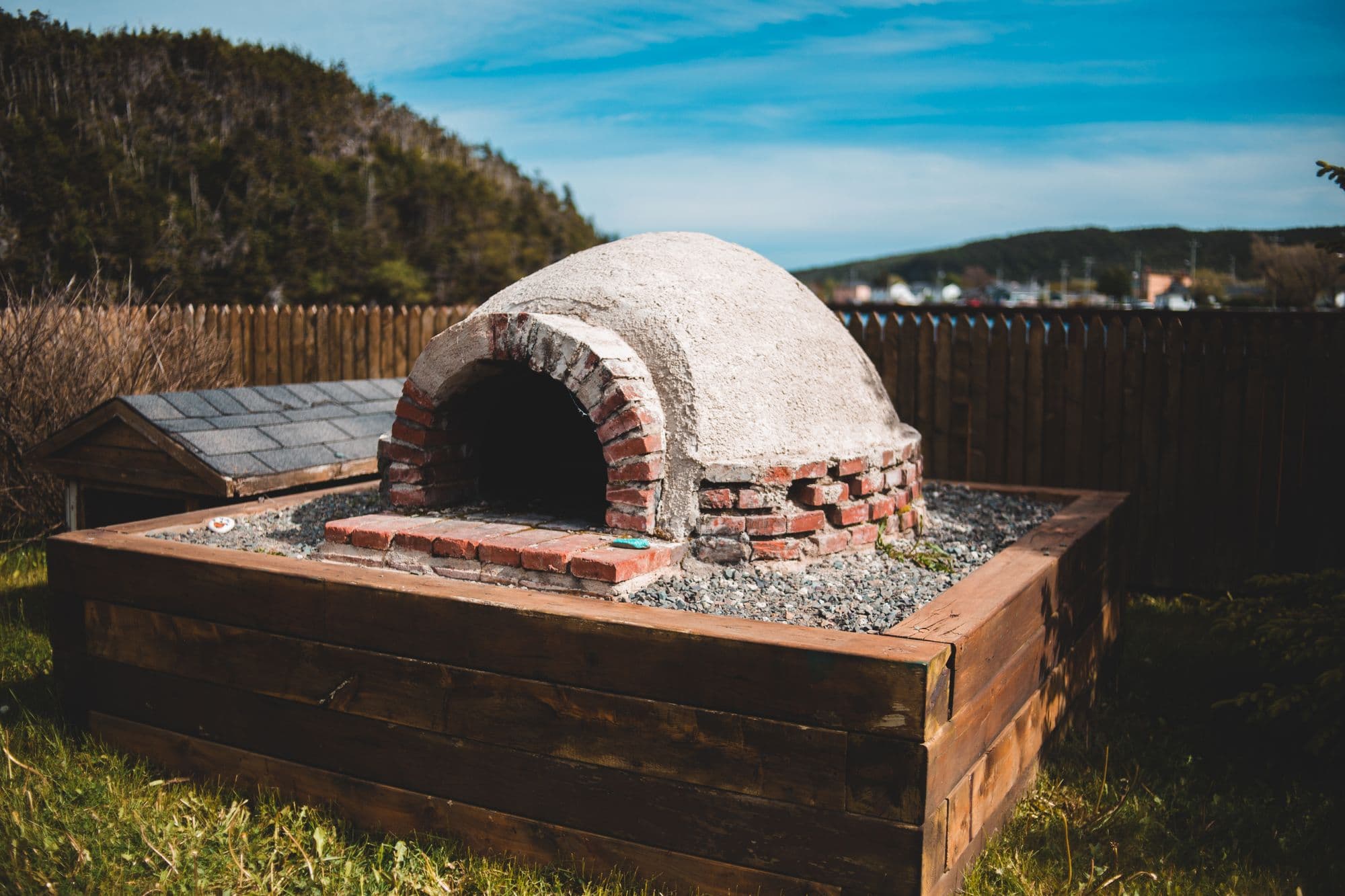
Outdoor Kitchen Storage: Cabinets, Drawers & Organization Solutions
Outdoor kitchen storage planning starts with a brutal reality check: standard kitchen cabinets dissolve under sustained UV, humidity swings, and pollen-laden rain, so every drawer, door, and pull-out you specify must be…
Photo: Erik Mclean / Pexels (Pexels License)
Top picks for this build
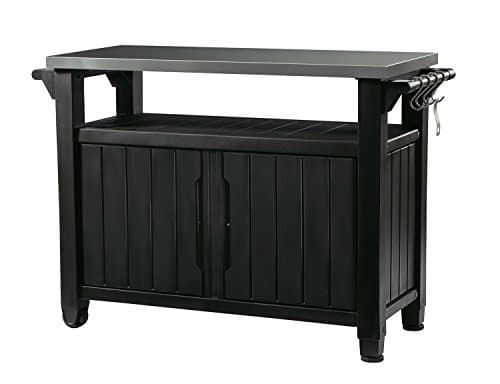
Keter Unity XL Portable Outdoor Table with Stainless Steel Top for Kitchen Prep and Outdoor Storage Cabinet for Grilling Accessories, Dark Grey
$237.99
Check price on Amazon: Keter Unity XL Portable Outdoor Table with Stainless Steel Top for Kitchen Prep and Outdoor Storage Cabinet for Grilling Accessories, Dark Grey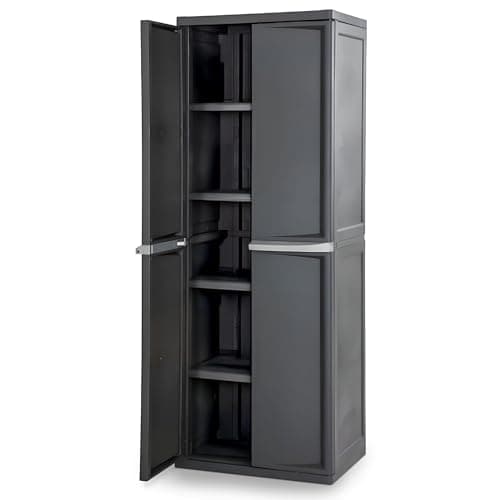
Sterilite 4 Shelf Cabinet, Heavy Duty and Easy to Assemble Plastic Storage Unit, Organize Bins in the Garage, Basement, Attic, Mudroom, Gray, 1-pack
$129.98
Check price on Amazon: Sterilite 4 Shelf Cabinet, Heavy Duty and Easy to Assemble Plastic Storage Unit, Organize Bins in the Garage, Basement, Attic, Mudroom, Gray, 1-pack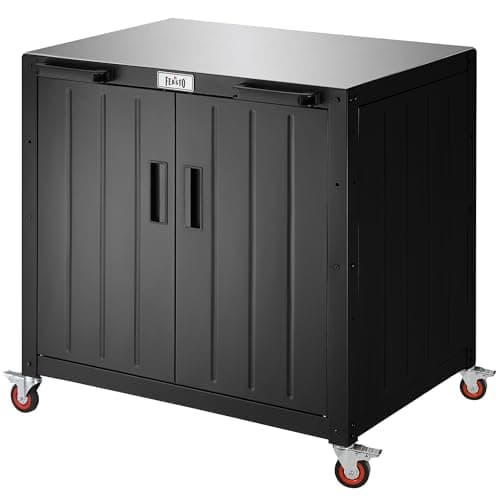
Feasto Outdoor Grill Cart with Storage Cabinet and Stainless Steel Top, 35-Inch Outdoor Grill Station with Door, Modular Kitchen Island for Food Prep and BBQ, Black & Silver
$229.00
Check price on Amazon: Feasto Outdoor Grill Cart with Storage Cabinet and Stainless Steel Top, 35-Inch Outdoor Grill Station with Door, Modular Kitchen Island for Food Prep and BBQ, Black & Silver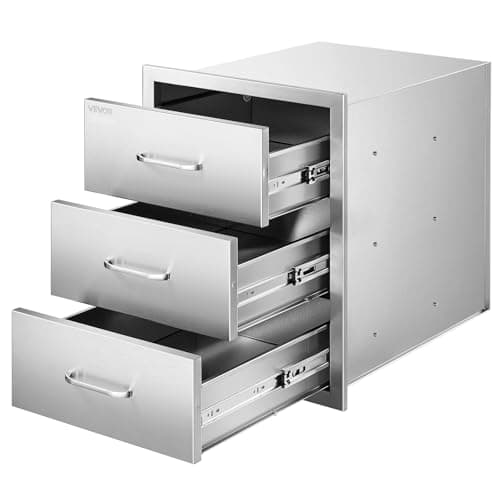
VEVOR Outdoor Kitchen Drawers 18.11" W x 23.23" D x 23.23" H, Triple-Access Stainless Steel Modular Drawer Cabinet with Handles, BBQ Island Drawer for Outdoor Kitchen or BBQ Island Patio Grill Station
$138.60
Check price on Amazon: VEVOR Outdoor Kitchen Drawers 18.11" W x 23.23" D x 23.23" H, Triple-Access Stainless Steel Modular Drawer Cabinet with Handles, BBQ Island Drawer for Outdoor Kitchen or BBQ Island Patio Grill Station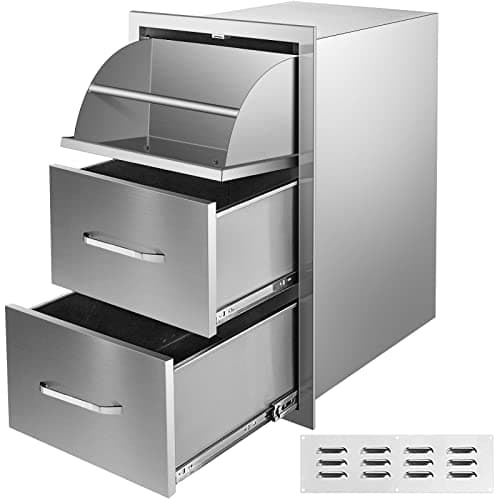
VEVOR Outdoor Kitchen Drawers 17W x 30H x 21D Inch, Outdoor Kitchen Cabinets, Stainless Steel Double Access Drawers, with Paper Towel Holder, Combo for BBQ Island Drawers or Grill Station
$199.90
Check price on Amazon: VEVOR Outdoor Kitchen Drawers 17W x 30H x 21D Inch, Outdoor Kitchen Cabinets, Stainless Steel Double Access Drawers, with Paper Towel Holder, Combo for BBQ Island Drawers or Grill StationKeter Unity XL Portable Outdoor Table with Stainless Steel Top for Kitchen Prep and Outdoor Storage Cabinet for Grilling Accessories, Dark Grey
$237.99
Check price on Amazon: Keter Unity XL Portable Outdoor Table with Stainless Steel Top for Kitchen Prep and Outdoor Storage Cabinet for Grilling Accessories, Dark GreySterilite 4 Shelf Cabinet, Heavy Duty and Easy to Assemble Plastic Storage Unit, Organize Bins in the Garage, Basement, Attic, Mudroom, Gray, 1-pack
$129.98
Check price on Amazon: Sterilite 4 Shelf Cabinet, Heavy Duty and Easy to Assemble Plastic Storage Unit, Organize Bins in the Garage, Basement, Attic, Mudroom, Gray, 1-packFeasto Outdoor Grill Cart with Storage Cabinet and Stainless Steel Top, 35-Inch Outdoor Grill Station with Door, Modular Kitchen Island for Food Prep and BBQ, Black & Silver
$229.00
Check price on Amazon: Feasto Outdoor Grill Cart with Storage Cabinet and Stainless Steel Top, 35-Inch Outdoor Grill Station with Door, Modular Kitchen Island for Food Prep and BBQ, Black & SilverVEVOR Outdoor Kitchen Drawers 18.11" W x 23.23" D x 23.23" H, Triple-Access Stainless Steel Modular Drawer Cabinet with Handles, BBQ Island Drawer for Outdoor Kitchen or BBQ Island Patio Grill Station
$138.60
Check price on Amazon: VEVOR Outdoor Kitchen Drawers 18.11" W x 23.23" D x 23.23" H, Triple-Access Stainless Steel Modular Drawer Cabinet with Handles, BBQ Island Drawer for Outdoor Kitchen or BBQ Island Patio Grill StationVEVOR Outdoor Kitchen Drawers 17W x 30H x 21D Inch, Outdoor Kitchen Cabinets, Stainless Steel Double Access Drawers, with Paper Towel Holder, Combo for BBQ Island Drawers or Grill Station
$199.90
Check price on Amazon: VEVOR Outdoor Kitchen Drawers 17W x 30H x 21D Inch, Outdoor Kitchen Cabinets, Stainless Steel Double Access Drawers, with Paper Towel Holder, Combo for BBQ Island Drawers or Grill StationPrices and availability are accurate as of October 22, 2026, 11:45 AM UTC and are subject to change.
Weather-Resistant Cabinet Materials: Stainless Steel, Polymer, and More
The cabinet material you choose for your outdoor kitchen storage is the most important decision in the entire storage planning process, because outdoor environments are brutally hard on cabinetry. Rain, dew, and humidity create conditions for rust, mold, and warping. UV radiation fades colors and degrades adhesives. Temperature swings from 20 degrees Fahrenheit in winter to 110 degrees in summer cause materials to expand and contract, loosening joints and cracking rigid finishes. Standard indoor MDF or particleboard cabinets will swell, delaminate, and disintegrate within months of outdoor exposure. Here are the materials that actually survive outdoors.
304-Grade Stainless Steel is the most common material for outdoor kitchen cabinets, offering excellent rust resistance, a clean modern aesthetic, and durability measured in decades rather than years. The 304 designation means the steel contains 18 percent chromium and 8 percent nickel, creating a self-healing oxide layer that resists corrosion. Brands like Danver and Challenger Designs offer full cabinet lines in powder-coated or brushed stainless steel, with prices starting at $400 to $600 per linear foot. For coastal environments within five miles of salt water, upgrade to 316-grade stainless steel, which adds molybdenum for superior salt-air corrosion resistance at a 20 to 30 percent price premium.
Marine-Grade Polymer (HDPE) has emerged as the premium alternative to stainless steel, offering several advantages: it never rusts, never needs painting or powder coating, resists UV fading with through-color construction (the color goes all the way through the material, not just on the surface), and cleans with just soap and water. Brands like NatureKast, Werever, and Outdoor Kitchen Cabinets by WeatherStrong specialize in HDPE polymer cabinets available in wood-grain finishes that convincingly mimic teak, walnut, and driftwood without any of wood's maintenance requirements. Polymer cabinets cost $500 to $800 per linear foot but carry 25-year or lifetime warranties against fading, cracking, and structural degradation. Powder-coated aluminum is a lighter-weight option at $350 to $550 per linear foot, offering good weather resistance but less impact durability than stainless steel or polymer. For a full overview of every component, layout option, and design path, see our complete outdoor kitchen setup guide.
Outdoor Kitchen Drawer Systems: Access, Capacity, and Configuration
Drawers are arguably more useful than cabinets for outdoor kitchen storage because they provide full visibility and easy access to contents without requiring you to bend down and reach into dark cabinet depths. In outdoor cooking, where you are often managing a hot grill with tongs in one hand, the ability to pull open a drawer and grab a spatula, thermometer, or seasoning jar with the other hand makes a meaningful difference in cooking efficiency and safety.
The best outdoor kitchen drawer systems use full-extension ball-bearing slides rated for 100 to 150 pounds of load capacity. Full-extension slides allow the drawer to open completely so you can see and access the entire contents, unlike three-quarter-extension slides that leave the rear four to six inches hidden. Look for slides made from 304-grade stainless steel with sealed bearings that resist rust and binding from outdoor exposure. Blaze Grills offers a popular triple drawer set ($700 to $900) with 304 stainless steel construction, full-extension slides, and a beveled-edge face that matches their grill and refrigerator line. Bull Outdoor Products offers a similar triple drawer configuration ($500 to $700) at a more accessible price point.
For optimal organization, configure drawers in a tiered system. The top drawer (4 to 6 inches deep) stores frequently accessed items: tongs, spatulas, thermometers, lighter, bottle opener, and seasoning shakers. The middle drawer (8 to 10 inches deep) holds larger tools: grill brushes, long-handled forks, cutting boards, and aluminum foil rolls. The bottom drawer (12 to 16 inches deep) serves as bulk storage for charcoal bags, wood chips, paper towels, and cleaning supplies. Some manufacturers offer insulated ice drawers — essentially a deep stainless steel drawer with a drain plug that holds 40 to 60 pounds of ice for chilling beverages or storing perishables during a cookout. The Blaze 30-Inch Insulated Ice Drawer ($900 to $1,100) and the Summerset Insulated Ice Drawer ($700 to $900) are popular options that double as cooler alternatives without the bulk of a standalone ice chest.
Trash and Recycling Pull-Out Solutions
A hidden trash and recycling system is essential for keeping your outdoor kitchen clean and presentable during entertaining. Without a dedicated solution, trash bags end up hanging from cabinet handles, sitting in open bins that attract flies and wasps, or piling up next to the island in a way that undermines the aesthetic you spent thousands of dollars creating. Pull-out trash systems solve this by concealing a full-size trash bin inside a cabinet, accessible via a sliding mechanism that opens when you pull the cabinet door.
The most practical outdoor kitchen trash pull-outs use a stainless steel or polymer slide-out frame that holds a standard 13-gallon or 20-gallon trash can inside a base cabinet with a solid door front. When you pull the door, the entire frame and trash can slide forward on heavy-duty rails, giving you full access to drop in waste and then push everything back out of sight. Rev-A-Shelf is the leading manufacturer of pull-out trash mechanisms, and their stainless steel outdoor-rated models ($150 to $300 for the mechanism, not including the cabinet) accommodate single or double bins for trash and recycling separation.
For outdoor kitchens without base cabinets deep enough for a standard pull-out, a tilt-out trash panel is an alternative. This system uses a hinged stainless steel panel on the front of the island that tilts forward to reveal a trash bin behind it. Tilt-outs require less depth than slide-outs (as little as 14 inches versus 20 to 22 inches for a standard pull-out) and work well in narrow island configurations. Placement is critical: position the trash pull-out near the prep area where most food waste is generated, and within three to four feet of the grill where you will be discarding packaging, paper towels, and napkins. Include a separate small recycling bin for cans and bottles, especially if your outdoor bar generates significant beverage container waste. Line the inside of the cabinet housing with a removable stainless steel liner or heavy-duty plastic tray to catch any drips or leaks and make cleaning easier — grease and food residue left in an unlined outdoor cabinet will attract ants, flies, and rodents faster than you might expect.

Spice Storage and Seasoning Organization for Outdoor Kitchens
Spices and seasonings are among the most vulnerable items in outdoor kitchen storage because they degrade rapidly when exposed to humidity, heat, and UV light — the exact conditions an outdoor kitchen provides in abundance. Ground spices stored improperly outdoors can lose 50 percent or more of their potency within four to six weeks, compared to the six-to-twelve-month shelf life they maintain in a cool, dark indoor pantry. Protecting your spice collection requires intentional storage solutions that shield against moisture, light, and temperature extremes.
The most effective approach is a sealed, airtight spice drawer or compartment within your outdoor kitchen island, positioned away from the grill's radiant heat. A shallow drawer (3 to 4 inches deep) lined with a non-slip mat and fitted with a gasketed lid or a weatherproof drawer cover keeps spices organized, visible, and protected from humidity. For individual spice containers, small stainless steel tins with screw-top lids (like Kamenstein or RSVP International magnetic spice tins at $2 to $4 each) provide an airtight seal and resist rust, unlike glass jars that can shatter and plastic containers that warp in heat.
Magnetic spice racks mounted inside a cabinet door are another space-efficient option — stainless steel tins with magnetic backs adhere to a steel plate, keeping your most-used seasonings visible and accessible while hiding them behind a closed door when not in use. For homeowners who grill frequently, a dedicated outdoor spice caddy that you carry out from the indoor kitchen for each cooking session and return when finished is actually the simplest and most effective strategy. Products like the Cuisinart Magnetic Grilling Spice Rack ($30) or the Weber Spice Rack ($25) hold six to twelve jars in a portable, weatherproof carrier that ensures your spices spend minimal time in the outdoor environment. This hybrid approach — outdoor-accessible during cooking, indoor-stored between sessions — maximizes both convenience and spice longevity.
Tool Organization: Hooks, Racks, and Dedicated Storage
Grilling tools, utensils, and accessories multiply quickly in any outdoor kitchen, and without a dedicated organizational system, they create countertop clutter that reduces your usable prep space and creates a safety hazard near the hot grill. The average outdoor cook accumulates 15 to 25 individual tools — tongs, spatulas, grill forks, basting brushes, thermometers, lighter, grill brush, pizza peel, carving knife, cutting board, spray bottle, aluminum foil, plastic wrap, and various specialty items — and each one needs a home that is both accessible during cooking and protected from weather between sessions.
Wall-mounted tool racks are the most space-efficient solution if your outdoor kitchen has a back wall, island side panel, or pergola post to mount against. Stainless steel rail systems with S-hooks — like the IKEA KUNGSFORS rail or the Weber Grill Tool Rack — allow you to hang tongs, spatulas, brushes, and other tools with handles or hanging loops in a visible, grab-and-go arrangement. Mount the rail at 48 to 54 inches from the ground for comfortable standing access. For outdoor kitchens without mounting surfaces, a freestanding tool caddy or station offers a portable alternative. The Keter Unity XL Portable Outdoor Table ($120 to $150) includes a stainless steel top, enclosed cabinet storage, and a built-in paper towel holder that rolls to any position you need.
Dedicated drawer inserts keep smaller tools and accessories organized within your existing drawer system. Stainless steel dividers, adjustable compartment trays, and non-slip drawer liners prevent tools from sliding around when drawers are opened and closed. For items used at the grill — tongs, spatula, meat thermometer — a magnetic strip mounted inside the island or on a nearby vertical surface provides instant access. A 12-to-18-inch stainless steel magnetic knife/tool strip ($15 to $30) holds six to ten tools securely and keeps them within arm's reach of the cook. Combine wall-mounted access for frequently used tools with enclosed drawer and cabinet storage for less-used items to create a layered organizational system that maximizes both accessibility and weather protection.
Dry Storage: Protecting Paper Products, Charcoal, and Bulk Items
Dry storage is the outdoor kitchen storage category most often overlooked during the planning phase, yet it is the one you will use every single time you cook. Paper towels, napkins, trash bags, disposable plates, charcoal, wood chips, lighter fluid, aluminum foil, and cleaning supplies all need a weather-protected space that keeps them dry, accessible, and out of sight. Leaving these items exposed to even a single rainstorm renders paper products useless, clumps charcoal into unusable blocks, and causes cardboard packaging to disintegrate.
The most effective dry storage solution is a sealed, gasketed cabinet specifically designated for non-perishable bulk items. Unlike refrigerator or drawer storage where ventilation matters, dry storage cabinets should prioritize airtight sealing to prevent moisture intrusion, insect entry, and humidity damage. Marine-grade polymer cabinets from NatureKast and Werever inherently provide better sealing than stainless steel cabinets, whose thin-gauge doors can allow moisture infiltration at the edges. If using stainless steel cabinets for dry storage, add adhesive-backed foam weatherstripping ($5 to $10 per roll) around the door frame to create a tighter seal.
Inside the dry storage cabinet, use airtight plastic bins with snap-lock lids — brands like OXO Good Grips POP Containers and Rubbermaid Brilliance work well — to create a second layer of moisture protection for items like charcoal, wood chips, and seasonings. Store paper towels and napkins in gallon-size resealable bags to prevent humidity from making them limp and unusable. For charcoal storage specifically, a 5-gallon plastic bucket with a gamma seal lid ($15 to $20 at any hardware store) is the best dedicated container — it keeps charcoal bone-dry, is airtight enough to prevent moisture absorption even in tropical humidity, and holds approximately 15 to 20 pounds, which is enough for four to six grilling sessions.
Position your dry storage cabinet on the side of the island farthest from the grill to minimize heat exposure, and above ground level if possible (a raised cabinet or shelf rather than a floor-level compartment) to prevent water pooling from rain splashback or patio drainage from reaching the contents.
Custom vs Prefab Outdoor Kitchen Storage Solutions
When outfitting your outdoor kitchen with storage, you will choose between custom-built cabinetry designed to your exact specifications and prefabricated modular units that come in standard sizes and configurations. Each approach has clear advantages depending on your budget, timeline, and design preferences.
Prefab modular storage units from brands like Blaze, Bull, Summerset, and Napoleon come in standardized widths — typically 15, 18, 24, 30, and 36 inches — designed to drop into standard island cutouts. A prefab triple drawer set costs $500 to $900, a single door cabinet runs $400 to $700, and a trash pull-out drawer is $350 to $600. The advantages are speed (units ship ready to install in days), proven weatherproofing (these brands have refined their outdoor products over decades), consistent quality, and manufacturer warranties of five years to lifetime depending on the brand. The limitation is flexibility — you are constrained to the sizes and configurations the manufacturer offers, which may not perfectly fill your island dimensions or match your specific organizational needs.
Custom-built outdoor cabinetry from specialists like Danver, NatureKast, and Werever is designed to your exact measurements, finish preferences, and configuration requirements. Want a 22-inch-wide spice drawer next to a 28-inch trash pull-out with a 16-inch-deep lower cabinet? Custom makes it possible. These cabinets are fabricated to order from premium materials — typically marine-grade HDPE polymer or heavy-gauge stainless steel — with custom color matching, hardware selection, and edge profiles. Prices start at $500 per linear foot and can exceed $1,000 per linear foot for fully loaded configurations with soft-close hinges, full-extension slides, and integrated lighting. Lead times are typically four to eight weeks from order to delivery.
For most homeowners, a hybrid approach works best: use prefab drawer units and access doors for the standard island openings (grill base, refrigerator cutout, and standard drawer stacks), and invest in custom pieces for unique storage needs like an oversized trash pull-out, a specialized tool cabinet, or an odd-width filler section. This strategy delivers 80 percent of the flexibility of full custom at roughly 60 percent of the cost.
Maximizing Storage in Small Outdoor Kitchens
Small outdoor kitchens — those with island footprints under 8 linear feet — demand creative storage strategies that maximize every cubic inch of available space without making the kitchen feel cramped or cluttered. When you cannot expand the island footprint, the solution is to think vertically, use multi-function components, and prioritize the items that truly need permanent outdoor storage versus those that can travel from the indoor kitchen for each cooking session.
Vertical storage is the single biggest opportunity in small outdoor kitchens. Wall-mounted stainless steel shelving above the countertop provides open storage for frequently used items at eye level. A three-tier shelf system on the back wall of the island (if it backs against a wall or has a raised backsplash) adds 6 to 9 square feet of storage without consuming any counter or island base space. Pegboard systems made from weather-resistant HDPE or stainless steel mount to walls or pergola posts and accept hooks for hanging tools, baskets for small items, and bins for spices and accessories. The Wall Control stainless steel pegboard system ($60 to $100 per panel) is a particularly good outdoor option.
Multi-function components reduce the number of separate storage items you need. A cutting board that fits over the sink basin creates temporary prep space while the sink is not in use. An insulated ice drawer doubles as cold storage during cookouts and dry storage between events. A mobile prep cart (like the Keter Unity or the Cuisinart Outdoor Prep Table at $100 to $200) rolls out during cooking to provide extra counter space and storage shelves, then rolls back against a wall or into the garage when not in use.
For items stored inside the island base, pull-out shelving is vastly more efficient than fixed shelves in small cabinets. A pull-out allows full access to contents at the back of the cabinet without removing everything in front of it. Rev-A-Shelf makes pull-out shelf and basket inserts ($60 to $150) that retrofit into existing cabinets. Finally, adopt a minimalist inventory philosophy: keep only the tools and supplies you use at least once per month in your outdoor kitchen, and store everything else indoors. A well-organized small outdoor kitchen with 15 essentials is far more functional than a cluttered one overflowing with 40 items you rarely touch.
Where the clearance and sizing figures above matter to safety or to a permit, verify them against the kitchen sizing standards published by the National Kitchen & Bath Association rather than against any single guide.
Frequently Asked Questions
01What is the best material for outdoor kitchen cabinets?
02How much do outdoor kitchen cabinets cost?
03Can I use regular indoor kitchen cabinets outdoors?
04How do I keep outdoor kitchen storage dry in rainy climates?
05What is the best way to store grilling tools outdoors?
06How do I organize an outdoor kitchen trash and recycling system?
07How should I store spices in my outdoor kitchen?
08What drawer configuration works best for outdoor kitchens?
09Are outdoor kitchen storage solutions weatherproof?
10How do I protect charcoal and wood chips from moisture outdoors?
This guide is part of Outdoor Kitchen Components: What Goes In, In What Order, and What to Skip — the hub covering every components guide on Outdoor Kitchen Setup.
Related Guides
Written and edited by Sukie
Sukie is the editor behind Outdoor Kitchen Setup. They compile manufacturer specification sheets, published building codes, and industry sizing standards into the measurement and planning guides on this site, and check every figure against its original source before it goes live. Where a number varies by brand or by local code, the guides say so rather than presenting a single figure as universal.