Building Outdoor Kitchen
Building outdoor kitchen as a project: timelines, contractor sequencing, payment schedules, change orders, and how to keep a 6-week build on track.
By Sukie
Editor · compiles manufacturer specs and building-code references into the measurement guides on this site
Top Picks: Best Building Outdoor Kitchen in 2026
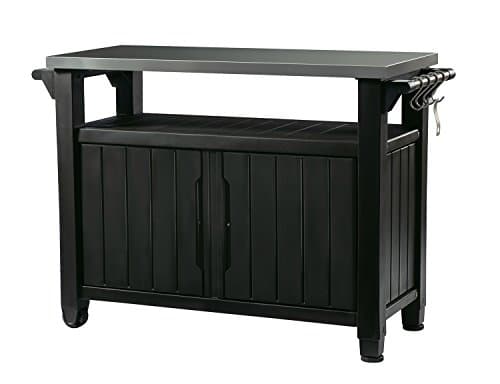
Keter Unity XL Portable Outdoor Table with Stainless Steel Top for Kitchen Prep and Outdoor Storage Cabinet for Grilling Accessories, Dark Grey
$220.99
Shop Now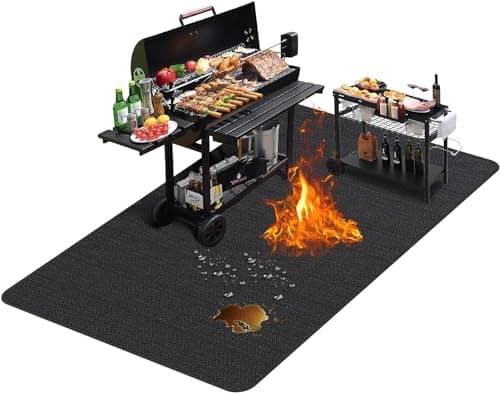
TAOMAND Large 76 x 52 inches Under Grill Mats for Outdoor Grill | Double-Sided Fireproof | Waterproof | Oil-Proof | Easy to Clean | Indoor Fireplace/Fire Pit Mat | Quality BBQ Mat for Deck Patio Lawn
$33.99
Shop Now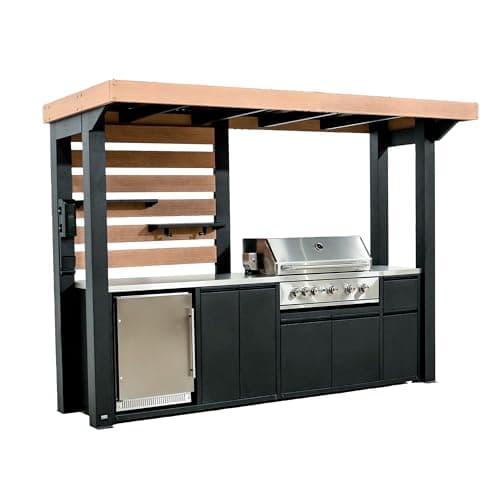
Backyard Discovery Fusion Flame Galvanized Steel Covered Outdoor Kitchen with 5-Burner Stainless, Grill, Refrigerator, Countertop, Storage, and, Roof for All-Season Outdoor Cooking, electric
$4,999.00
Shop Now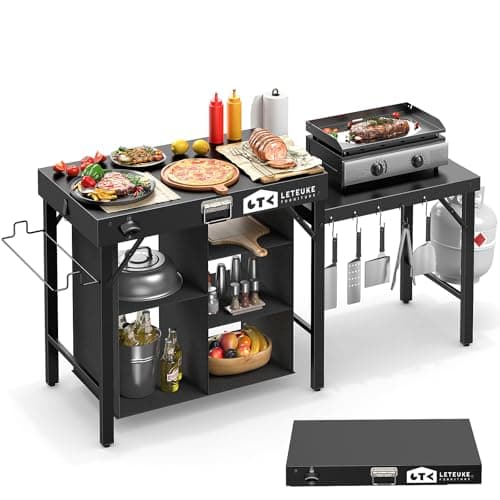
Leteuke Grill Table for Blackstone Griddle, Portable Foldable Grill Table with Storage Fits Ninja, Blackstone Griddle Stand for Outdoor Camping, Picnic, Garden, Patio, Dining, BBQ, Party
$159.99
Shop NowKeter Unity XL Portable Outdoor Table with Stainless Steel Top for Kitchen Prep and Outdoor Storage Cabinet for Grilling Accessories, Dark Grey
$220.99
Shop NowTAOMAND Large 76 x 52 inches Under Grill Mats for Outdoor Grill | Double-Sided Fireproof | Waterproof | Oil-Proof | Easy to Clean | Indoor Fireplace/Fire Pit Mat | Quality BBQ Mat for Deck Patio Lawn
$33.99
Shop NowBackyard Discovery Fusion Flame Galvanized Steel Covered Outdoor Kitchen with 5-Burner Stainless, Grill, Refrigerator, Countertop, Storage, and, Roof for All-Season Outdoor Cooking, electric
$4,999.00
Shop NowLeteuke Grill Table for Blackstone Griddle, Portable Foldable Grill Table with Storage Fits Ninja, Blackstone Griddle Stand for Outdoor Camping, Picnic, Garden, Patio, Dining, BBQ, Party
$159.99
Shop NowRealistic Timeline: 6-Week Schedule for a Mid-Size Build
Building outdoor kitchen installations of typical mid-range scope — roughly 8 to 12 linear feet, three appliances, sink, gas, electrical — runs a 6-week clock when professionally managed. Week 1 is permitting and excavation: file with the building department (5 to 15 business days for plan review in most counties), excavate, lay gravel base. Week 2 is the slab pour and 7-day cure. Week 3 is framing and the first inspection. Week 4 is gas, plumbing, and electrical rough-in plus the second inspection.
Week 5 is veneer, countertop templating, and starting the appliance install. Week 6 is countertop install, hood and vent finalization, final inspection, and punch list. Add one buffer week for weather delays — if you're starting in early spring or late fall, expect at least one rain or freeze day. The single biggest schedule killer is countertop fabrication: granite shops typically need 10 to 14 business days from template to install, so template the moment veneer is up. If you template before veneer, the measurements will be off by 1/4 inch and the slab won't fit.
How to Hire and Sequence Contractors for Building Outdoor Kitchen Work
The fastest way to derail an outdoor kitchen project is to hire trades in the wrong order. Start with the general contractor (or yourself as GC) — get them locked in 6 to 10 weeks before the desired start date. Reputable outdoor kitchen GCs in major metros like Phoenix, Atlanta, and Dallas book 3 to 4 months out during peak season (March through June). Next, hire the licensed plumber/gas fitter and electrician — they need to see plans before slab pour to confirm rough-in stub locations.
Get bids from at least three contractors per trade, and require itemized line-item pricing rather than lump-sum bids. A plumber should break out trenching, pipe materials, fittings, sediment trap, valves, pressure test, and permit fee separately. Lump-sum bids hide where the contractor padded margin and make change orders impossible to evaluate fairly. Verify each contractor's state license number on your state contractor licensing board's website, confirm active general liability insurance ($1M minimum) and workers' comp, and ask for three references from outdoor kitchen jobs completed in the last 12 months. Drive past at least one of those completed jobs.
How do I verify a contractor's qualifications for building outdoor kitchen work
Before hiring any outdoor kitchen contractor, verify their state license on the state contractor licensing board website, confirm active $1 million general liability insurance and workers' comp through certificates of insurance sent directly from their broker, ask for three completed projects within 12 months and drive past at least one, and search for unresolved complaints on your state's licensing board complaint database.
Payment Schedules That Protect You and Motivate Trades
Never pay more than 10 percent up front to any contractor on an outdoor kitchen project. Standard industry practice for residential exterior work runs 10/30/30/30 — 10 percent at contract signing, 30 percent at materials delivery to job site, 30 percent at rough-in inspection pass, and the final 30 percent at final inspection pass and punch list completion. This structure ties payment to verifiable milestones, not vague time markers.
For materials-heavy phases like masonry veneer or granite countertops, use a separate progress draw — pay the supplier directly when materials arrive, then pay the installer their labor portion after install passes inspection. This avoids the classic problem where a contractor takes a 50 percent deposit, buys cheaper materials than specified, pockets the difference, and disappears mid-job. Also build in a 5 to 10 percent retainage held until 30 days after final inspection — this gives you leverage to get the punch list actually completed. Most state contractor laws explicitly allow retainage on residential remodel work; check yours before adding it to the contract.
Permitting Phases and Inspection Hand-Offs
Outdoor kitchen projects with utilities trigger three to four inspections in most jurisdictions: slab/footing (after rebar is set, before concrete pours), rough-in (after gas, plumbing, and electrical lines are run but before sheathing covers them), and final (after appliances install and everything is operational). Some counties add a separate gas-only inspection if natural gas is involved.
Schedule each inspection through your county's online permit portal as soon as the previous phase wraps. Most building departments offer next-business-day inspections if booked before 3 PM the day prior. Keep your permit card on-site at all times — inspectors will ask for it. Have your plans rolled up in a tube next to the card; inspectors love being handed plans without having to ask. Failed inspections cost 3 to 7 calendar days while you fix the issue and re-schedule, so the difference between an organized GC and a sloppy one shows up most painfully here. Common failures: missing GFCI on the outdoor outlet, gas pipe not sleeved through the slab, no shut-off valve at the kitchen, drainage less than 1/4 inch per foot.
What's the biggest scheduling mistake when building outdoor kitchen on a tight timeline
The biggest scheduling mistake when outdoor kitchen projects is templating countertops before veneer is installed. The fabricator measures off rough framing, then veneer adds 5/8 to 1 inch of width, and the granite no longer fits. Always template after veneer, accept the 10 to 14 business day fabrication wait, and use that period to install appliances and complete electrical trim. Sequencing this correctly compresses the final two weeks dramatically.
What does a typical building outdoor kitchen contract include
A complete outdoor kitchen contract should include: full scope of work with itemized labor and materials, exact appliance models and brands by name, specific veneer and countertop material with manufacturer SKUs, payment schedule tied to inspection milestones, change order procedure, lien waiver requirements at each draw, warranty terms (typically 1 year on labor, manufacturer warranty on appliances), and a target completion date with consequences for delays.
Managing Change Orders Without Blowing the Budget
Every outdoor kitchen project gets change orders — typically 3 to 7 of them on a $20,000 build. Common ones: upgrading from 30-inch grill to 36-inch grill ($800 to $2,400 difference plus rough-in adjustment), adding a side burner discovered during framing ($600 to $1,400 installed), switching countertop material after seeing the slab ($400 to $1,800 difference), running power for a future TV mount ($300 to $700). Plan for change orders by reserving 10 to 15 percent of total budget as a contingency line item in your contract.
Require every change order in writing before work proceeds — a one-page form listing the change, materials and labor cost, and any schedule impact. Both you and the contractor sign before the change happens. Verbal change orders are how disputes start: the contractor remembers a $1,200 add, you remember $600, and now you're arguing two months later with no paper trail. Most contractor associations publish free change order templates; the AIA G701 form is the gold standard but a simple Google Docs template works fine for residential work. Always pair this kind of structured planning with a complete outdoor kitchen setup resource for picking the right specs in the first place.
Materials Lead Times and Why They Matter
Outdoor kitchen schedules live and die by lead times. Order grills, refrigerators, and side burners the day the contract is signed. A Lynx L36ATR grill has a 4 to 8 week lead time direct from manufacturer. Built-in refrigerators from Blaze, Bull, or Summerset run 2 to 6 weeks. A Twin Eagles 36-inch grill can hit 12 weeks during peak season. If you wait until framing is done to order, you'll sit on a finished cabinet for a month waiting for an appliance.
Stone veneer typically ships in 1 to 2 weeks. Granite slabs are sitting in fabricator yards — drive over and pick the actual slab you want before contracts are signed. Steel-stud RTA kits from Sunstone or RTA Outdoor Living ship in 5 to 10 business days. Custom welded stainless cabinets from Danver run 6 to 14 weeks. Build a one-page materials schedule listing every item, vendor, lead time, and required-on-site date — share this with your GC at the kickoff meeting. The schedule becomes your single source of truth and exposes dependency risks before they become delays.
Site Logistics: Access, Storage, and Neighbor Communication
Backyards are notoriously hard to work in. Before outdoor kitchen construction starts, walk the access path with your GC — gates, fences, hedges, sprinkler heads, septic field locations, irrigation lines. A 6-foot gate is the minimum for most equipment; a 4-foot gate forces every wheelbarrow load of concrete to come through by hand and adds 4 to 8 hours of labor per cubic yard.
Designate a materials staging area away from the build zone — typically the driveway or a side yard. Block off lawn with plywood under stacked materials, or you'll be re-sodding $400 to $1,200 worth of grass that died under stone pallets. For the gas line trench, mark every irrigation, low-voltage lighting, and dog-fence line with paint before the trencher arrives. Notify both neighbors in writing one week before construction starts: dates, hours, contractor names, your phone number. This single email avoids 90 percent of complaints, especially if you're in a neighborhood with an active HOA. Some HOAs require architectural review board approval before any permanent exterior structure goes up — check before signing your contract.
Final Walkthrough, Punch List, and Warranty Documentation
The single most-skipped step in outdoor kitchen projects is a proper final walkthrough. After your county passes final inspection, walk every square inch of the build with your GC and a clipboard. Test every burner, every outlet, the sink under both hot and cold water, every cabinet door and drawer. Operate the gas shut-off valve. Run the GFCI test buttons. Look at every veneer joint and grout line for cracks or hollow spots. Push on countertop overhangs to confirm they're solid.
Document everything that's not perfect on a numbered punch list — typically 10 to 30 items on a fresh build. Items range from minor (touch-up paint, replace a chipped tile) to material (re-grout a section, swap a faulty igniter). Sign and date the list with your contractor and set a 14-day completion deadline. Hold the final 5 to 10 percent retainage until everything on the list is done. Once complete, collect every appliance manual, model and serial number, the permit close-out card, all warranty registration cards, and copies of every inspection sign-off. Scan the entire packet to PDF — you'll need it for insurance, future repairs, and resale disclosure when you sell the home.
Questions that come up on almost every build:
What is the realistic timeline for outdoor kitchen with full utilities?
Outdoor kitchen projects with gas, water, and electrical typically take 6 to 8 weeks from groundbreaking to final inspection when managed by a professional GC. Permitting alone runs 5 to 15 business days before any work starts. DIY-managed builds without prior construction experience commonly stretch to 12 to 18 weeks because of trade scheduling errors and material lead times.
Should I act as my own general contractor for outdoor kitchen?
Self-GC saves 10 to 20 percent (the GC's typical markup) but only works if you have flexibility to be on-site multiple times per week, comfort scheduling 5+ trades, and patience to handle inspection failures. If you have a full-time job and no construction background, hire a GC. The schedule mistakes alone — paying a framer to wait on a delayed gas inspection — usually wipe out the savings.
What payment structure should I use when outdoor kitchen with a contractor?
Industry standard for building outdoor kitchen contracts is 10/30/30/30: 10 percent at signing, 30 percent at materials delivery, 30 percent at rough-in inspection pass, and 30 percent at final inspection pass. Hold 5 to 10 percent retainage for 30 days past final to enforce punch list completion. Never pay more than 10 percent up front, regardless of what the contractor requests.
How long does the building outdoor kitchen permit process take?
Permit review for building outdoor kitchen projects typically runs 5 to 15 business days in most U.S. counties. Larger metros like Los Angeles or Seattle can stretch to 4 to 6 weeks. Submitting complete plans the first time matters — incomplete submissions get kicked back and reset the clock. A licensed contractor familiar with your jurisdiction usually shaves 1 to 2 weeks off because they know the specific code references reviewers want cited.
What change orders are most common in building outdoor kitchen projects?
The most frequent building outdoor kitchen change orders are: upgrading the grill size after seeing the framed opening ($800 to $2,400), adding a side burner ($600 to $1,400), switching countertop material ($400 to $1,800), and adding electrical for a TV or speakers ($300 to $700). Reserve 10 to 15 percent of total budget as a contingency to cover these without blowing the project.
When should I order appliances during building outdoor kitchen construction?
Order appliances the day you sign the contract with your GC. Premium grill brands like Lynx, Hestan, and Twin Eagles run 4 to 12 weeks of lead time. Built-in refrigerators average 2 to 6 weeks. Waiting until framing is done to order means a finished cabinet sits empty for a month waiting on appliance delivery — and your contractor still bills for the demobilization and remobilization.
Before you commit to anything here, check the permit and code requirements against your local adoption of the International Residential Code, and confirm your local jurisdiction has not amended them.
This guide is part of Outdoor Kitchen Build Guides: Planning, Permits, Cost, and Hiring — the hub covering every guides guide on Outdoor Kitchen Setup.
Related Guides
Outdoor Kitchen Stainless Steel: Grades, Maintenance & Complete Buying Guide
Read guide →
GuideL-Shaped Outdoor Kitchen: Layout Ideas, Dimensions & Design Guide
Read guide →
GuideOutdoor Kitchen Gazebo: Hardtop Styles, Sizing, Wind Ratings & Top Brands for 2026
Read guide →
GuidePortable Outdoor Kitchen: Mobile Cooking Setups for Renters, Camping & Tailgating
Read guide →
Written and edited by Sukie
Sukie is the editor behind Outdoor Kitchen Setup. They compile manufacturer specification sheets, published building codes, and industry sizing standards into the measurement and planning guides on this site, and check every figure against its original source before it goes live. Where a number varies by brand or by local code, the guides say so rather than presenting a single figure as universal.