Outdoor Kitchen Griddle: Flat-Top Cooking Stations, Sizing & Top Brands for 2026
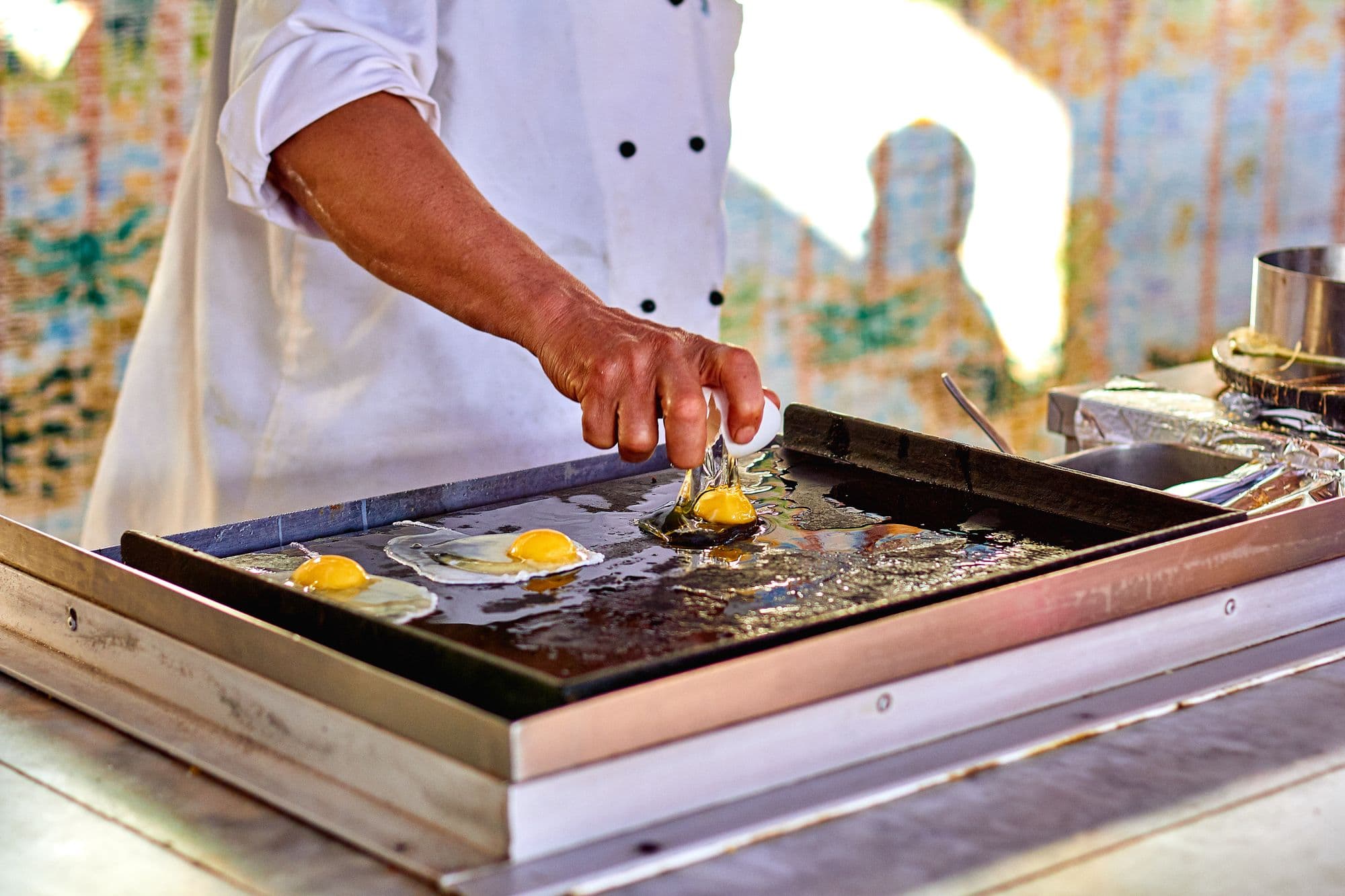
Outdoor kitchen griddle additions unlock the entire diner-and-teppanyaki menu that grates simply cannot handle, from smash burgers and pancakes to fried rice and Philly cheesesteaks cooked side-by-side on one ripping-hot steel slab.
Photo: Bulat Khamitov / Pexels (Pexels License)
An outdoor kitchen griddle opens up an entirely different world of backyard cooking that a traditional grill simply cannot replicate. While grills excel at searing steaks and charring vegetables over open flames, a flat-top griddle delivers the broad, even heat surface needed for smash burgers, breakfast pancakes, stir-fry, fried rice, Philly cheesesteaks, fajitas, and dozens of other dishes that require a solid cooking surface rather than grate bars. The outdoor kitchen griddle category has surged in popularity since 2020, driven by the Blackstone phenomenon that turned flat-top cooking into a backyard movement, and 2026 brings a mature market of both standalone and built-in griddle options designed specifically for permanent outdoor kitchen installations. Prices range from $300 for a compact 22-inch drop-in griddle insert to $3,500 for a premium commercial-grade built-in unit from Evo or Le Griddle. Key considerations include cooking surface area measured in square inches, BTU output per burner zone, heat distribution uniformity, grease management system design, and whether you want a drop-in model that fits an existing grill cutout or a purpose-built unit that requires its own dedicated island space. In this comprehensive guide, we compare the leading outdoor kitchen griddle brands head to head, break down BTU requirements and sizing for different cooking scenarios, explain the critical differences between rolled steel, stainless steel, and cast iron cooking surfaces, and walk you through the installation and maintenance practices that keep your griddle performing at its best for years. Whether you are adding a griddle alongside your existing grill or building a dedicated flat-top cooking station, this is the only resource you need.
Top picks for this build
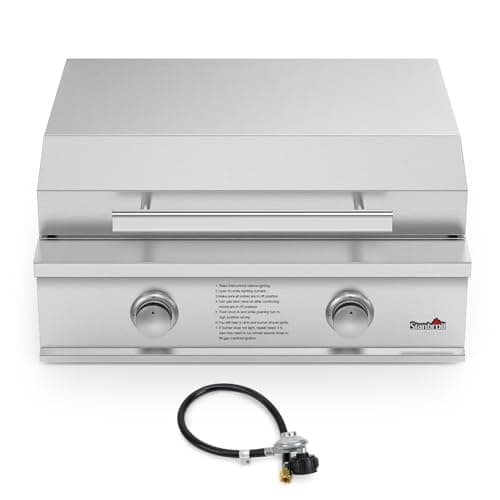
Stanbroil 28-Inch Premium Built-In Liquid Propane Griddle for Outdoor Kitchen Grill, Durable Stainless Steel 2-Burner Flat Top Grill with Lid for BBQ Island, 34,000 BTUs
$1,099.99
Check price on Amazon: Stanbroil 28-Inch Premium Built-In Liquid Propane Griddle for Outdoor Kitchen Grill, Durable Stainless Steel 2-Burner Flat Top Grill with Lid for BBQ Island, 34,000 BTUs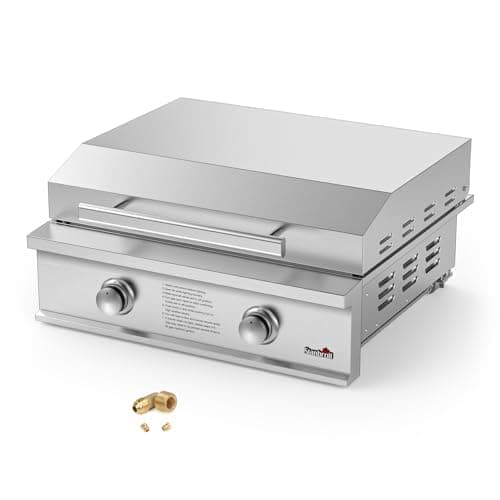
Stanbroil 28-Inch Premium Built-In Natural Gas Griddle for Outdoor Kitchen Grill, Durable Stainless Steel 2-Burner Flat Top Grill with Lid for BBQ Island, 34,000 BTUs
$1,099.99
Check price on Amazon: Stanbroil 28-Inch Premium Built-In Natural Gas Griddle for Outdoor Kitchen Grill, Durable Stainless Steel 2-Burner Flat Top Grill with Lid for BBQ Island, 34,000 BTUs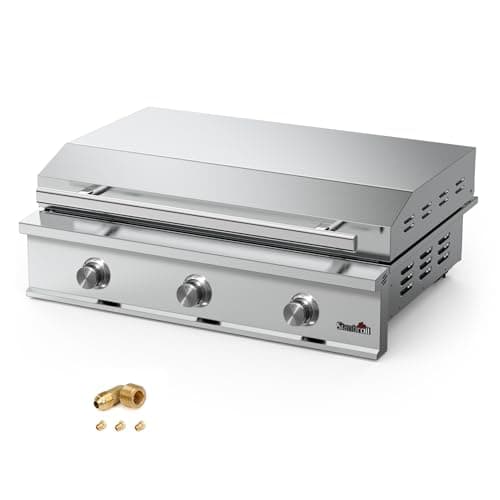
Stanbroil 36-Inch Natural Gas Built-In Griddle, Premium 304 Stainless Steel 3 Burner Flat Top Grill for Outdoor Kitchen BBQ Island
See price on Amazon
Check price on Amazon: Stanbroil 36-Inch Natural Gas Built-In Griddle, Premium 304 Stainless Steel 3 Burner Flat Top Grill for Outdoor Kitchen BBQ Island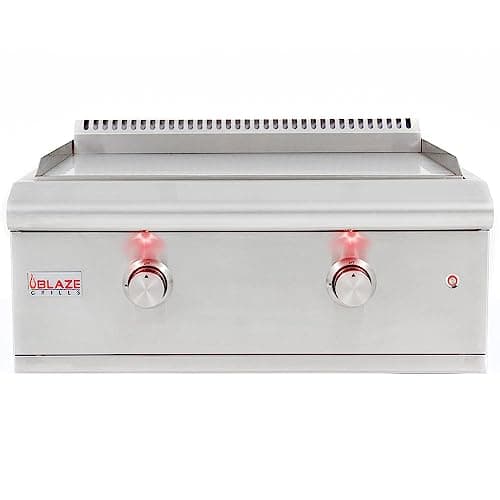
Blaze Grills Premium LTE 30-Inch Built-In Propane Griddle – Stainless Steel Flat Top with 36,000 BTUs, LED Control Knobs & Push-and-Turn Ignition
$1,799.00
Check price on Amazon: Blaze Grills Premium LTE 30-Inch Built-In Propane Griddle – Stainless Steel Flat Top with 36,000 BTUs, LED Control Knobs & Push-and-Turn Ignition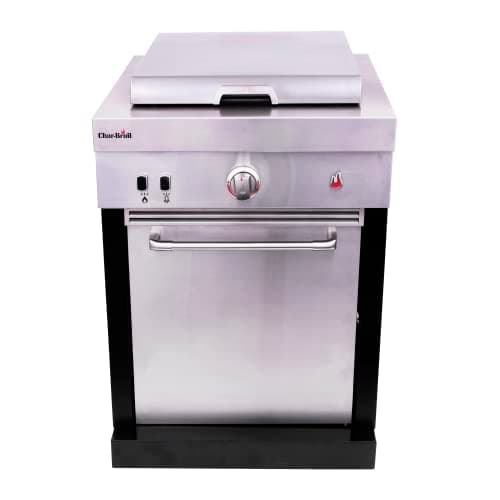
Char-Broil Medallion Series Modular Outdoor Kitchen Convective 1-Burner Propane Gas Stainless Steel Griddle - 463246318
$949.99
Check price on Amazon: Char-Broil Medallion Series Modular Outdoor Kitchen Convective 1-Burner Propane Gas Stainless Steel Griddle - 463246318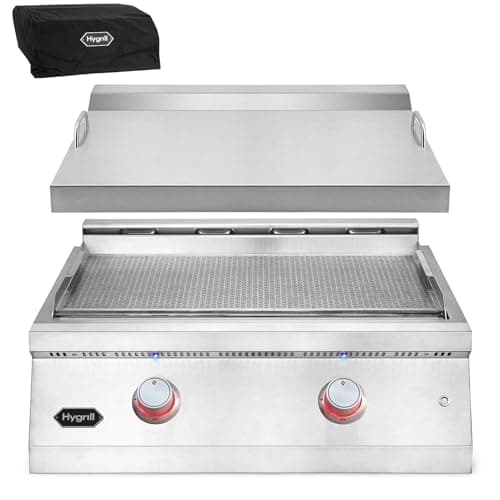
Hygrill 30-Inch Premium Built-In Natural Gas Griddle for Outdoor Kitchen, Durable 304 Stainless Steel 2-Burner Flat Top Grill with Lid and LED lights
$1,649.99
Check price on Amazon: Hygrill 30-Inch Premium Built-In Natural Gas Griddle for Outdoor Kitchen, Durable 304 Stainless Steel 2-Burner Flat Top Grill with Lid and LED lights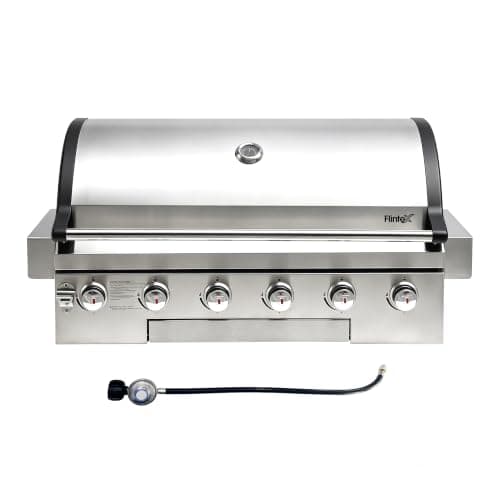
Flintex 40 Inch Built-in BBQ Gas Grill (NG/LPG Convertible), 6-Burner Outdoor Kitchen Gas/Propane Grill with Griddle Combo, Stainless Steel Built-in Outdoor BBQ Grill for Outdoor Kitchen
$1,169.99
Check price on Amazon: Flintex 40 Inch Built-in BBQ Gas Grill (NG/LPG Convertible), 6-Burner Outdoor Kitchen Gas/Propane Grill with Griddle Combo, Stainless Steel Built-in Outdoor BBQ Grill for Outdoor KitchenStanbroil 28-Inch Premium Built-In Liquid Propane Griddle for Outdoor Kitchen Grill, Durable Stainless Steel 2-Burner Flat Top Grill with Lid for BBQ Island, 34,000 BTUs
$1,099.99
Check price on Amazon: Stanbroil 28-Inch Premium Built-In Liquid Propane Griddle for Outdoor Kitchen Grill, Durable Stainless Steel 2-Burner Flat Top Grill with Lid for BBQ Island, 34,000 BTUsStanbroil 28-Inch Premium Built-In Natural Gas Griddle for Outdoor Kitchen Grill, Durable Stainless Steel 2-Burner Flat Top Grill with Lid for BBQ Island, 34,000 BTUs
$1,099.99
Check price on Amazon: Stanbroil 28-Inch Premium Built-In Natural Gas Griddle for Outdoor Kitchen Grill, Durable Stainless Steel 2-Burner Flat Top Grill with Lid for BBQ Island, 34,000 BTUsStanbroil 36-Inch Natural Gas Built-In Griddle, Premium 304 Stainless Steel 3 Burner Flat Top Grill for Outdoor Kitchen BBQ Island
See price on Amazon
Check price on Amazon: Stanbroil 36-Inch Natural Gas Built-In Griddle, Premium 304 Stainless Steel 3 Burner Flat Top Grill for Outdoor Kitchen BBQ IslandBlaze Grills Premium LTE 30-Inch Built-In Propane Griddle – Stainless Steel Flat Top with 36,000 BTUs, LED Control Knobs & Push-and-Turn Ignition
$1,799.00
Check price on Amazon: Blaze Grills Premium LTE 30-Inch Built-In Propane Griddle – Stainless Steel Flat Top with 36,000 BTUs, LED Control Knobs & Push-and-Turn IgnitionChar-Broil Medallion Series Modular Outdoor Kitchen Convective 1-Burner Propane Gas Stainless Steel Griddle - 463246318
$949.99
Check price on Amazon: Char-Broil Medallion Series Modular Outdoor Kitchen Convective 1-Burner Propane Gas Stainless Steel Griddle - 463246318Hygrill 30-Inch Premium Built-In Natural Gas Griddle for Outdoor Kitchen, Durable 304 Stainless Steel 2-Burner Flat Top Grill with Lid and LED lights
$1,649.99
Check price on Amazon: Hygrill 30-Inch Premium Built-In Natural Gas Griddle for Outdoor Kitchen, Durable 304 Stainless Steel 2-Burner Flat Top Grill with Lid and LED lightsFlintex 40 Inch Built-in BBQ Gas Grill (NG/LPG Convertible), 6-Burner Outdoor Kitchen Gas/Propane Grill with Griddle Combo, Stainless Steel Built-in Outdoor BBQ Grill for Outdoor Kitchen
$1,169.99
Check price on Amazon: Flintex 40 Inch Built-in BBQ Gas Grill (NG/LPG Convertible), 6-Burner Outdoor Kitchen Gas/Propane Grill with Griddle Combo, Stainless Steel Built-in Outdoor BBQ Grill for Outdoor KitchenPrices and availability are accurate as of October 22, 2026, 11:45 AM UTC and are subject to change.
Why Every Outdoor Kitchen Needs a Flat-Top Griddle
A flat-top griddle is arguably the most versatile cooking appliance you can add to an outdoor kitchen, dramatically expanding the range of dishes you can prepare without stepping inside your house. Traditional grills are limited by their grate design: anything smaller than the gap between grate bars falls through, sauces and marinades drip into the flames, and delicate items like eggs, fish fillets, and diced vegetables are nearly impossible to cook directly on a grill grate. A griddle eliminates every one of these limitations by providing a continuous, flat cooking surface that retains juices, supports any size ingredient, and allows the use of spatulas, scrapers, and tongs with complete control.
The cooking versatility is staggering. On a single griddle surface, you can simultaneously cook bacon and eggs on one zone, pancakes on another, and hash browns on a third, all at different temperatures controlled by independent burner knobs. For dinner, the same surface handles smash burgers that develop an extraordinary Maillard crust from continuous contact with the hot steel, Hibachi-style fried rice and shrimp, blackened fish tacos, and quesadillas pressed flat against the griddle with perfect crispiness. Restaurants have known this for decades, which is why commercial flat-top griddles are the single most-used piece of cooking equipment in professional kitchens worldwide. An griddle brings that same commercial cooking power to your backyard. For families with children, a griddle is particularly practical because you can cook kid-friendly items like grilled cheese sandwiches and chicken tenders alongside adult meals without needing separate equipment or cooking sessions. For a full overview of every component, layout option, and design path, see our complete outdoor kitchen setup guide.
Built-In vs Drop-In The griddles: Which Is Right for You
When shopping for an griddle, you will encounter two fundamental installation types: built-in units and drop-in inserts. Understanding the difference is essential for proper planning and budgeting. A built-in the griddle is a self-contained appliance with its own frame, burner system, grease management, and housing that sits inside a custom island cutout, similar to how a built-in grill installs. Built-in griddles are designed from the ground up for permanent installation and typically offer superior heat distribution, more robust construction, and dedicated grease drainage systems that route into removable collection trays. Brands like Evo, Le Griddle, and Coyote manufacture purpose-built the griddles in this category.
A drop-in griddle insert is a flat cooking plate, usually made of rolled steel or cast iron, that replaces or sits on top of existing grill grates within your current grill's firebox. Drop-in inserts are the most affordable way to add griddle cooking to an outdoor kitchen, with prices starting at $80 for universal inserts from brands like Arteflame and GrillGrate, and ranging up to $300 for precision-cut inserts designed for specific grill models. The trade-off is that drop-in inserts rely on your grill's burners for heat, which are optimized for grate cooking rather than flat-top cooking, often resulting in uneven hot spots across the griddle surface. Drop-in inserts also typically lack the dedicated grease channels and collection systems that built-in griddles provide, meaning grease management is handled by the grill's existing drip tray, which may not be designed for the volume of grease that griddle cooking produces. For homeowners committed to frequent flat-top cooking, a purpose-built built-in griddle is the superior long-term investment. For occasional griddle use, a drop-in insert offers a practical and budget-friendly compromise.
Blackstone vs Camp Chef vs Evo: Top Outdoor Kitchen Griddle Brands Compared
Blackstone is the brand that popularized flat-top griddle cooking for the residential market, and their product line now includes several models suited for outdoor kitchen integration. The Blackstone 36-inch Built-In Griddle Top with air fryer combo retails around $499 and offers 720 square inches of cooking surface across four independently controlled burners producing a total of 60,000 BTUs. Blackstone griddles use a cold-rolled steel cooking surface that develops a natural non-stick seasoning over time, similar to cast iron. The brand's primary strength is value: no other manufacturer delivers this much cooking surface and BTU output at this price point. The trade-off is construction quality, as Blackstone uses thinner gauge steel than premium competitors, and their grease management relies on a simple rear channel draining into a collection cup that requires frequent emptying during heavy cooking sessions.
Camp Chef offers the Flat Top Grill 900 (FTG900) as their flagship griddle, providing 877 square inches of cooking surface, four burners totaling 60,000 BTUs, and a more refined grease management system with a full-width rear channel and a larger collection bucket. Camp Chef retails around $599 and includes pre-seasoned griddle plates and a built-in wind guard system that improves heat consistency in breezy conditions. Their Sidekick attachment system allows you to add a flat-top griddle to any Camp Chef pellet grill for around $199, offering a modular approach to griddle cooking. Evo represents the premium tier of the griddles, and their circular flat-top design is unlike anything else on the market. The Evo Affinity 30G features a 30-inch circular cooking surface with a domed center that creates natural temperature zones radiating from the hot center to the cooler perimeter. This design allows you to sear at the center and move items outward to hold temperature without separate burner zones. The Evo Affinity 30G retails around $3,399, is constructed entirely from 304 stainless steel with a stainless cooking surface, and includes a built-in grease channel that drains into a front-access collection tray. For homeowners building a premium outdoor kitchen, the Evo is the undisputed top choice.
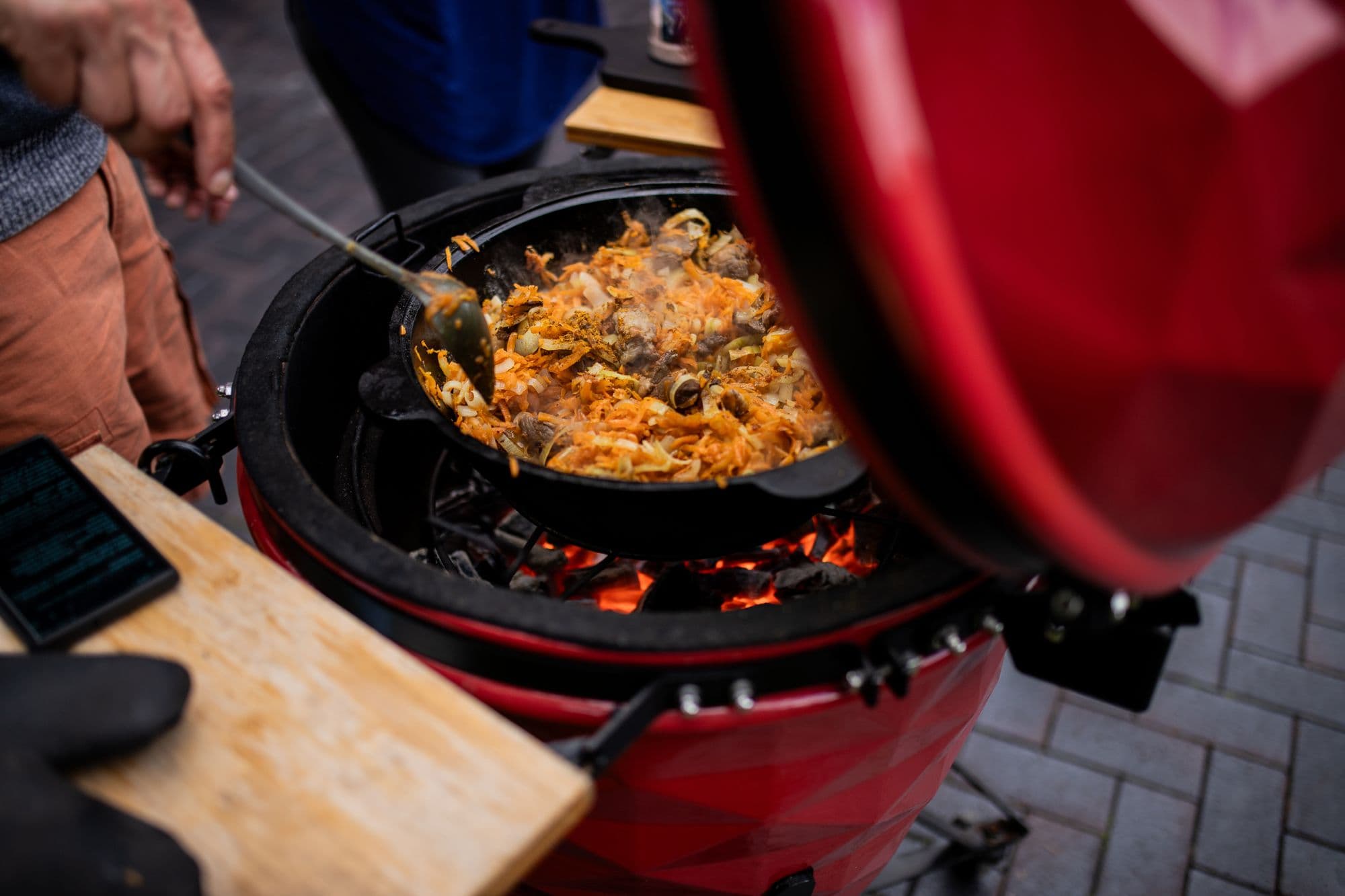
BTU Requirements and Heat Distribution for Outdoor Kitchen Griddles
Understanding BTU ratings and heat distribution patterns is essential for selecting an griddle that performs well across different cooking tasks. BTU, or British Thermal Unit, measures the heat energy output of each burner. For flat-top griddle cooking, you need significantly more BTUs per square inch of cooking surface than you would for a grated grill because the steel plate itself absorbs a large portion of the heat energy before it reaches your food. A general rule is 100 to 130 BTUs per square inch of cooking surface for adequate griddle performance. A 720-square-inch griddle therefore needs 72,000 to 93,600 total BTUs for full-surface high-heat cooking. Most consumer griddles fall slightly below this ideal, with the Blackstone 36-inch delivering 83 BTUs per square inch and the Camp Chef FTG900 at 68 BTUs per square inch.
Heat distribution uniformity is equally important and is often the factor that separates premium griddles from budget models. An ideal griddle produces an even temperature across the entire cooking surface when all burners are set to the same level. In reality, every multi-burner griddle has hotter zones directly above the burner tubes and cooler zones between them. Premium griddles minimize this variation through thicker cooking plates that spread heat more effectively. A three-eighths-inch thick steel plate distributes heat noticeably better than a one-quarter-inch plate, though it takes longer to preheat. The Evo Affinity addresses heat distribution differently with its circular design and single radiant burner that heats the center intensely while naturally graduating to lower temperatures at the perimeter. For most residential the griddle setups, look for a model with at least four independently controlled burner zones, a cooking plate thickness of at least one-quarter inch, and a total BTU output that delivers at minimum 75 BTUs per square inch of cooking surface. These specifications ensure you can achieve the 400 to 500 degree surface temperatures needed for proper smash burgers and stir-fry while also running gentler zones for eggs and pancakes simultaneously.
Griddle Cooking Surface Materials: Rolled Steel vs Stainless Steel vs Cast Iron
The material of your griddle's cooking surface affects seasoning requirements, heat retention, maintenance demands, and long-term durability. Cold-rolled steel is the most common griddle surface material, used by Blackstone, Camp Chef, and most mid-range manufacturers. Rolled steel develops a natural non-stick patina through a process called seasoning, where thin layers of polymerized cooking oil bond to the metal surface during high-heat use. A well-seasoned rolled steel griddle rivals the non-stick performance of Teflon without any chemical coatings. The surface improves with every cook as the seasoning layer builds. However, rolled steel requires active maintenance: you must apply a thin coat of cooking oil after every use, keep the surface dry to prevent rust, and re-season the entire surface if rust does develop. In humid climates or uncovered outdoor kitchens, rust prevention is a daily consideration.
Stainless steel cooking surfaces, used by Evo and Le Griddle, will not rust and do not require seasoning or oiling between uses. This makes stainless virtually maintenance-free compared to rolled steel. The trade-off is that stainless steel does not develop a non-stick seasoning layer, so food is more likely to stick, especially proteins, until you learn to manage surface temperature and use adequate cooking oil. Stainless also has lower thermal conductivity than rolled steel, meaning it can develop more pronounced hot spots between burner zones. Cast iron griddle surfaces offer the best heat retention of any material, holding temperature rock-steady even when cold ingredients are added. Cast iron also develops excellent seasoning over time. However, cast iron griddles are extremely heavy, which complicates installation, and they are vulnerable to cracking from thermal shock if heated or cooled too rapidly. For most the griddle installations, cold-rolled steel offers the best balance of cooking performance, seasoning quality, and cost. Choose stainless steel if you prioritize low maintenance over seasoning performance, and cast iron only if you value heat retention above all else and can manage the additional weight.
Grease Management Systems for Outdoor Kitchen Griddles
Grease management is the most underappreciated aspect of the griddle selection, and getting it wrong leads to messy, hazardous, and frustrating cooking sessions. Flat-top griddle cooking generates significantly more liquid grease than grill cooking because juices and rendered fat pool on the solid surface rather than dripping through grate openings into a drip pan below. A 36-inch griddle cooking a full surface of bacon can produce over a cup of liquid grease in minutes. Your outdoor kitchen griddle needs a grease management system that collects, channels, and contains this volume efficiently and safely.
The most common system is a rear-channel design where the griddle surface slopes slightly from front to back, directing grease into a trough along the rear edge that flows into a collection cup or bucket. Blackstone and Camp Chef both use this approach. The key quality indicator is channel width and depth: a channel at least half an inch wide and three-eighths inch deep handles heavy grease flow without overflowing onto your countertop. The collection cup should hold at least 16 ounces and be accessible without reaching over the hot cooking surface. Front-drain systems, used by Evo and Le Griddle, route grease forward into a collection tray accessible from the front of the unit. This design is generally safer because you empty the tray without reaching over or behind the hot griddle. Perimeter-channel systems collect grease around the entire edge of the cooking surface, providing the most thorough grease capture but adding complexity to the design. Regardless of the system type, empty your grease collection container after every cooking session. Accumulated grease is a fire hazard, attracts pests, and becomes rancid quickly in warm outdoor environments. For built-in installations, consider routing the grease drain line into a larger, fixed collection container mounted inside the island cabinet with a removable door for easy access and cleaning.
Sizing Your Outdoor Kitchen Griddle: Square Inches and Cooking Capacity
Choosing the right size outdoor kitchen griddle depends on your typical cooking volume, the space available in your island, and whether the griddle will be your primary cooking appliance or a companion to an existing grill. Griddle sizes are measured by cooking surface area in square inches. A 22-inch griddle with approximately 330 square inches is the minimum practical size for outdoor kitchen use, suitable for cooking for two to four people. It handles four smash burgers, a dozen eggs, or a batch of pancakes comfortably but runs out of space quickly for larger groups. A 22-inch griddle fits a compact island and works well as a secondary cooking station alongside a larger grill.
A 28-inch griddle with roughly 475 square inches hits a practical sweet spot for most families, handling six to eight burgers simultaneously or a full breakfast spread for four to six people. This size fits into a standard outdoor kitchen layout without dominating the counter space and requires an island cutout of approximately 30 inches wide. A 36-inch griddle with 700 to 800 square inches of cooking surface is the most popular size for dedicated flat-top outdoor kitchen stations. It accommodates ten or more burgers, a complete Hibachi dinner for eight guests, or simultaneous breakfast items covering the full surface. Expect an island cutout of roughly 38 to 40 inches wide. For serious outdoor entertainers and large families, commercial-style 48-inch griddles with 1,000-plus square inches are available from brands like Evo and commercial suppliers. These require robust island construction to support their weight, often exceeding 200 pounds, and deliver the cooking capacity to feed 15 to 20 guests simultaneously. As a planning guideline, allocate 75 to 100 square inches of griddle cooking surface per person you regularly cook for, and round up to the next size category for headroom during parties and holidays.
Installation, Seasoning, and Long-Term Care for Your Outdoor Kitchen Griddle
Installing a built-in outdoor kitchen griddle follows a similar process to installing a built-in grill but with additional attention to grease drainage routing and surface protection during construction. Begin by confirming your island cutout dimensions match the manufacturer's specifications exactly, as griddles are less forgiving of oversized cutouts than grills because there is no trim kit adjustment on most models. The griddle must sit level, so verify the island countertop and supporting frame are perfectly flat using a spirit level across multiple points. Connect the gas supply using the manufacturer-specified connector type, typically a half-inch flare fitting for natural gas, and perform a leak test with soapy water on every joint before igniting. If your griddle model requires electrical power for ignition or lighting, route a dedicated 110-volt line to the island cavity.
Before your first cook, new cold-rolled steel and cast iron griddles require an initial seasoning process. Heat the griddle to its maximum temperature and allow it to cool, repeating two or three times to burn off any factory coatings. Then apply a thin, even layer of high-smoke-point oil like flaxseed oil, avocado oil, or Crisco shortening across the entire surface and heat to the smoking point. Let the oil polymerize for 15 to 20 minutes, then repeat for a total of three to four coats. The surface should develop a dark, glossy appearance that feels smooth to the touch. For ongoing care, scrape the griddle clean with a flat metal spatula while still warm after each use, wipe with a thin oil coating, and cover with a fitted griddle cover once cooled. Monthly, inspect the grease management system for buildup, check burner ports for clogging from grease or debris, and verify that igniter electrodes are clean and properly gapped. In cold climates, run the griddle at high heat for ten minutes before each winter cooking session to burn off any condensation that has accumulated on the cooking surface under the cover.
Loose ends worth tying off:
Can you add a griddle to an existing outdoor kitchen?
Yes, there are two approaches. You can install a drop-in griddle insert over your existing grill grates for $80 to $300, which requires no construction work. Alternatively, you can add a dedicated built-in griddle by cutting a new opening in your island countertop and installing a purpose-built unit, which costs $500 to $3,500 for the griddle plus $200 to $600 for island modifications.
What is the difference between a griddle and a grill in an outdoor kitchen?
A grill uses open grates over flames, allowing fat to drip away and producing char marks and smoky flavor from vaporized drippings. A griddle uses a flat, solid cooking surface that retains all juices and provides complete contact between food and heat. Griddles excel at items that would fall through grill grates, like eggs, diced vegetables, and small shrimp, and they produce superior crusts on burgers and steaks through continuous surface contact.
How do you season a new outdoor kitchen griddle?
Heat the griddle to maximum temperature two or three times to burn off factory coatings. Then apply a thin coat of high-smoke-point oil like flaxseed or avocado oil across the entire surface, heat until the oil smokes and polymerizes for 15 to 20 minutes, and repeat for three to four total coats. The surface should develop a dark, glossy, smooth finish that provides natural non-stick performance.
Is Blackstone good for a built-in outdoor kitchen?
Blackstone griddles offer excellent value and cooking performance for built-in outdoor kitchen use. Their 36-inch model fits standard island cutouts and delivers 60,000 BTUs across four independent zones. The main limitations compared to premium brands are thinner gauge steel construction and a simpler rear-channel grease management system. For budget-conscious outdoor kitchen builds, Blackstone is a strong choice.
How do you manage grease on an outdoor kitchen griddle?
Most outdoor kitchen griddles route grease into a rear or front collection channel that drains into a removable cup or tray. Empty the collection container after every cooking session to prevent fire hazards and pest attraction. During cooking, use a flat scraper to direct excess grease toward the drain channel. For built-in installations, consider routing drainage into a larger fixed container inside the island cabinet.
What size griddle do I need for my outdoor kitchen?
Allocate 75 to 100 square inches of cooking surface per person you regularly cook for. A 22-inch griddle with 330 square inches serves two to four people. A 28-inch griddle with 475 square inches handles four to six people. A 36-inch griddle with 720 square inches accommodates eight to ten people and is the most popular size for dedicated outdoor kitchen flat-top stations.
Do outdoor kitchen griddles work with natural gas?
Yes, most built-in outdoor kitchen griddles are available in both propane and natural gas configurations, and many ship with conversion kits for either fuel type. Natural gas is the preferred fuel for permanent outdoor kitchen installations because it provides an unlimited supply without tank changes. Confirm the gas type before ordering and have a licensed gas fitter connect the supply line.
How do you clean and maintain a flat-top outdoor kitchen griddle?
After each cook, scrape the surface clean with a flat metal spatula while still warm, wipe down with a damp cloth, apply a thin coating of cooking oil, and cover with a fitted griddle cover once cooled. Monthly, check burner ports for clogs, inspect the grease management system, and clean igniter electrodes. Re-season the surface whenever food begins sticking noticeably.
For the gas appliance clearances in this guide, the clearance and installation requirements in NFPA 58 is the primary reference — and your inspector is the one who decides.
Frequently Asked Questions
01What is the best outdoor kitchen griddle for home use?
02How many BTUs does an outdoor kitchen griddle need?
This guide is part of Outdoor Kitchen Cooking Equipment: Grills, Griddles, Smokers, and Pizza Ovens — the hub covering every grills & cooking guide on Outdoor Kitchen Setup.
Related Guides
Written and edited by Sukie
Sukie is the editor behind Outdoor Kitchen Setup. They compile manufacturer specification sheets, published building codes, and industry sizing standards into the measurement and planning guides on this site, and check every figure against its original source before it goes live. Where a number varies by brand or by local code, the guides say so rather than presenting a single figure as universal.