Outdoor Kitchen With Mini Fridge: Best Models, Sizing & Installation Guide
Outdoor kitchen with mini fridge: outdoor-rated models that survive heat, cutout dimensions, ventilation clearances, and the dedicated circuit it needs.
By Sukie
Editor · compiles manufacturer specs and building-code references into the measurement guides on this site
An outdoor kitchen with mini fridge storage keeps drinks, marinades, and condiments within reach of the grill instead of behind the back door.
An outdoor kitchen with a mini fridge gives you cold storage in a compact format — keeping drinks, marinades, and condiments within arm's reach of the grill without the cost and footprint of a full undercounter outdoor refrigerator. The compact size (typically 1.7–3.2 cubic feet) fits in a 15-to-18-inch wide cabinet opening, making it practical for smaller outdoor kitchens and tight islands where a full 24-inch refrigerator would consume too much of the available linear counter space.
The critical distinction: not all mini fridges work outdoors. Standard indoor compact refrigerators from Midea, Danby, or similar brands are designed for ambient temperatures of 50–90°F. In outdoor environments, they face temperatures above 90°F in summer, humidity, UV exposure, and occasional rain splatter — all of which degrade indoor refrigerator components within 1–2 years. An outdoor-rated mini fridge uses a more powerful compressor, sealed electronics, UV-stabilized door gaskets, and stainless steel or coated exterior surfaces that resist corrosion in the conditions that destroy indoor units.
This guide covers the key decision between indoor-rated and outdoor-rated mini fridges, the specific models that perform well in outdoor kitchen installations, the sizing and cutout dimensions for built-in installation, and the ventilation requirements that most outdoor kitchen installations get wrong — leading to premature compressor failure and a refrigerator that barely cools on hot summer days.
Top Picks: Best Outdoor Kitchen With Mini Fridge: Best Models, Sizing & Installation Guide in 2026
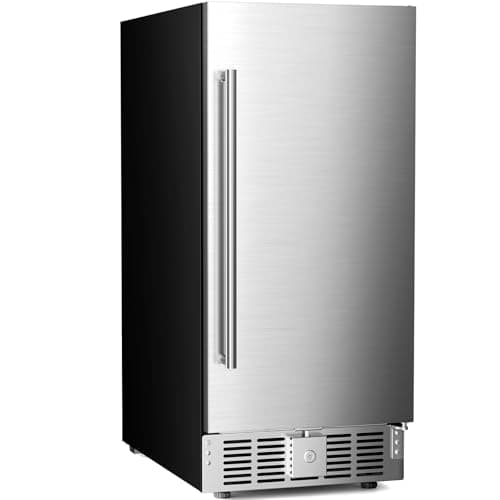
Antarctic Star 15 Inch Undercounter Beverage Refrigerator, 135 Can Built-in or Freestanding Compact Beverage Cooler with Stainless Steel Door, Outdoor Refrigerator for Patio Home Kitchen
$314.48
Shop Now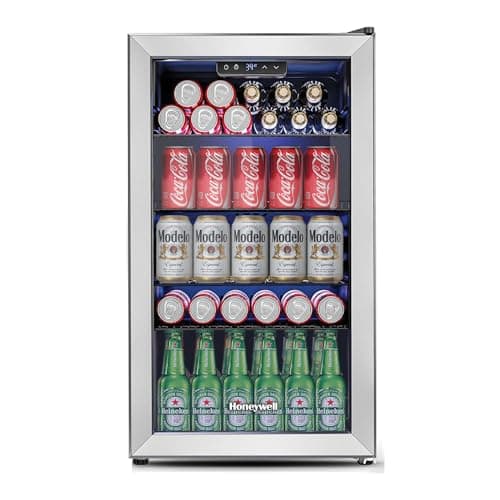
Honeywell Beverage Refrigerator and Cooler, 116 Can Mini Fridge with Glass Door for Soda Beer or Wine for Office or Bar with Adjustable Removable Shelving, Commercial Grade
$197.99
Shop Now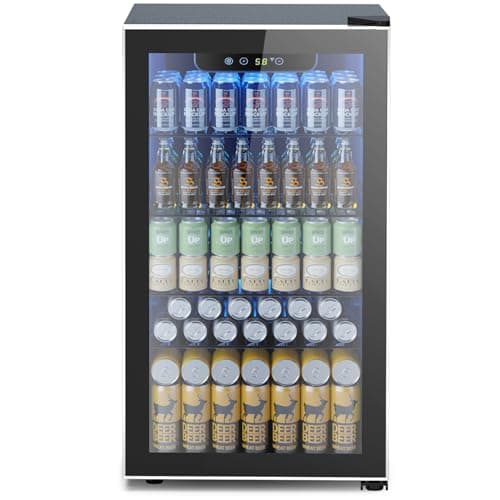
Electactic Mini Fridge 130 Can Beverage Refrigerator Cooler, 3.2 Cu.Ft Drink Fridge for Soda Wine Beer, Adjustable Temperature Control for Home Office, Black
$198.98
Shop Now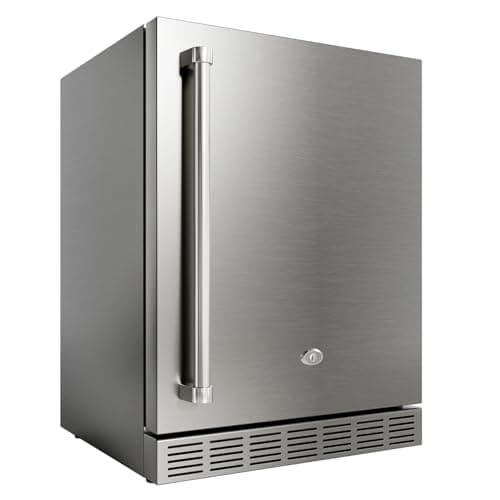
cureder 21 Inch Outdoor Refrigerator, Weather Proof Stainless Steel Beverage Beer Cooler Under Counter Fridge, Indoor/Outdoor Refrigerator with 3 Shelves for Patio Kitchen and Commercial Use
$639.99
Shop Now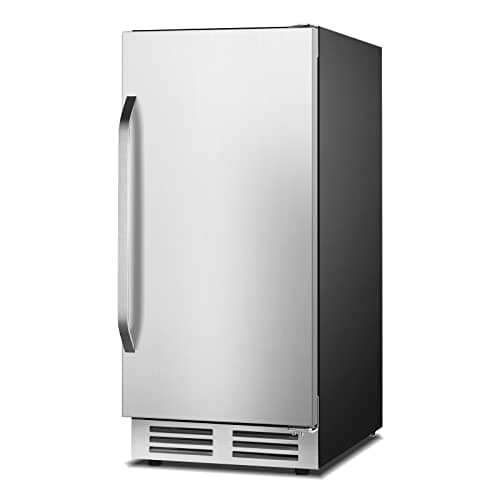
Velieta 15 Inch Outdoor Beverage Refrigerator Cooler,Stainless Steel 127 Cans Beverage Fridge with French Door Under Counter Built-in or Freestanding, Perfect for Beer, Cola
$378.97
Shop Now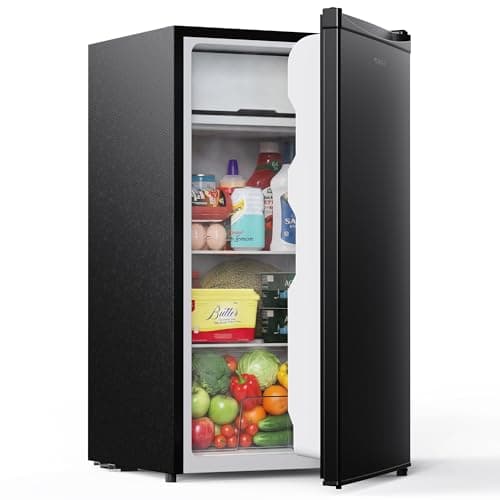
Upstreman 3.2 Cu.Ft Mini Fridge with Freezer, Quiet Efficient Small Fridge, Compact Refrigerator with Adjustable Thermostat, for Dorm, Bedroom, Office, Black-BR321
$139.99
Shop Now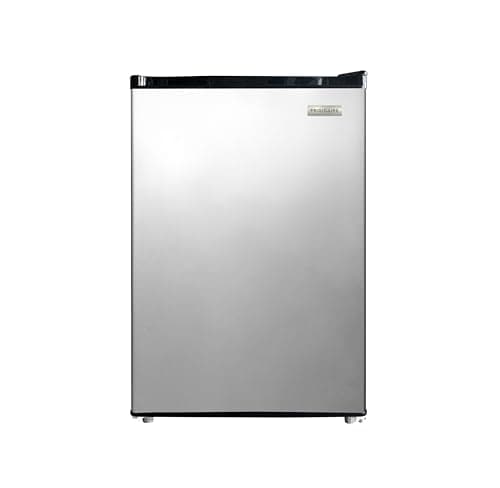
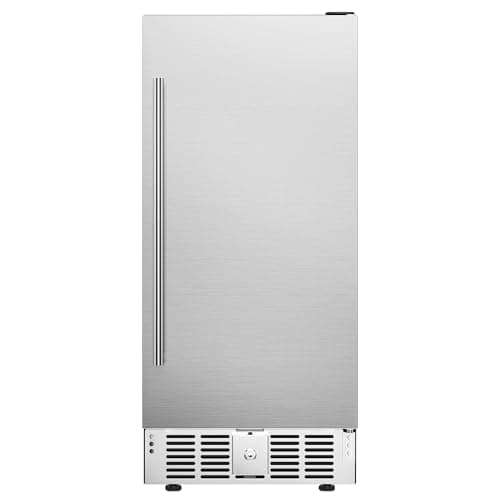
Icyglee 15 Inch Beverage Cooler Under Counter Built-in Beverage Refrigerator,127 Cans Mini Fridge with Glass Removable Shelves for Drink Beer Soda Wine Water
$309.99
Shop NowAntarctic Star 15 Inch Undercounter Beverage Refrigerator, 135 Can Built-in or Freestanding Compact Beverage Cooler with Stainless Steel Door, Outdoor Refrigerator for Patio Home Kitchen
$314.48
Shop NowHoneywell Beverage Refrigerator and Cooler, 116 Can Mini Fridge with Glass Door for Soda Beer or Wine for Office or Bar with Adjustable Removable Shelving, Commercial Grade
$197.99
Shop NowElectactic Mini Fridge 130 Can Beverage Refrigerator Cooler, 3.2 Cu.Ft Drink Fridge for Soda Wine Beer, Adjustable Temperature Control for Home Office, Black
$198.98
Shop Nowcureder 21 Inch Outdoor Refrigerator, Weather Proof Stainless Steel Beverage Beer Cooler Under Counter Fridge, Indoor/Outdoor Refrigerator with 3 Shelves for Patio Kitchen and Commercial Use
$639.99
Shop NowVelieta 15 Inch Outdoor Beverage Refrigerator Cooler,Stainless Steel 127 Cans Beverage Fridge with French Door Under Counter Built-in or Freestanding, Perfect for Beer, Cola
$378.97
Shop NowUpstreman 3.2 Cu.Ft Mini Fridge with Freezer, Quiet Efficient Small Fridge, Compact Refrigerator with Adjustable Thermostat, for Dorm, Bedroom, Office, Black-BR321
$139.99
Shop NowIcyglee 15 Inch Beverage Cooler Under Counter Built-in Beverage Refrigerator,127 Cans Mini Fridge with Glass Removable Shelves for Drink Beer Soda Wine Water
$309.99
Shop NowOutdoor-Rated vs. Indoor Mini Fridges: Why It Matters
The difference between an outdoor-rated and indoor-rated mini fridge is not marketing — it's the difference between a unit that lasts 10 years and one that fails in 18 months.
Compressor capacity: An outdoor-rated refrigerator has a compressor sized to maintain 35–38°F internal temperature in ambient conditions up to 110°F. Indoor compact fridges are designed for 50–75°F ambient — when the outdoor temperature is 95°F, an indoor compressor is working 50% harder than it was designed to and often can't maintain the target temperature. The result: warm beer on the hottest days of the year (when you most need it cold) and premature compressor burnout within 2–3 years.
Moisture and corrosion resistance: Outdoor-rated mini fridges have sealed terminal connections on the compressor and evaporator, stainless steel or powder-coated exteriors that resist rust from rain and humidity, and gaskets rated for UV exposure. Indoor mini fridges corrode at the hinge screws, develop rust spots at the door seam, and have gaskets that crack and lose their seal within 2–3 seasons of sun exposure.
Cost difference: Outdoor-rated compact refrigerators (15-to-18-inch wide models from Bull, Coyote, or Perlick) cost $300–$900 vs. $150–$300 for a comparable-size indoor unit. The cost difference pays for itself easily if you factor in the cost of replacing an indoor unit every 2 years — and an outdoor-rated unit typically carries a 2–5 year warranty compared to 1 year on indoor compacts.
The hybrid option: Some buyers use indoor mini fridges in a covered outdoor kitchen under a pergola or covered patio — the reduced direct exposure (no direct rain, reduced UV) extends their useful life. This works in mild, dry climates where outdoor temperatures don't routinely exceed 90°F. In hot or coastal climates, the outdoor-rated unit is the only sensible long-term choice.
Best Outdoor-Rated Mini Fridges for Outdoor Kitchens
The outdoor-rated compact refrigerator market is smaller than the full undercounter market, but there are reliable options across multiple price points.
Best value: Bull Outdoor Products 15-inch Refrigerator ($350–$450) — 3.0 cubic feet, designed for outdoor kitchen installation, stainless steel front and interior, digital temperature control. Fits a 15-inch cabinet opening (actual unit width: 14.75 inches). This is the most commonly installed outdoor kitchen compact refrigerator in modular and prefab builds. Five-year compressor warranty.
Best performance: Coyote 15-inch Outdoor Refrigerator ($500–$650) — Also 3.0 cubic feet, rated for ambient temperatures up to 109°F, stainless steel door with integrated handle that matches Coyote grill aesthetics. More powerful compressor than the Bull unit — measurably better cold holding in high ambient temperatures. Useful if your outdoor kitchen faces south or west and gets significant afternoon sun exposure.
Premium option: Perlick HP15RS ($850–$1,100) — Perlick is a commercial refrigeration brand whose residential outdoor units are the most over-built option in the compact category. The HP15RS is a 15-inch undercounter with solid stainless construction, dual-pane insulated glass door option, and marine-grade corrosion resistance appropriate for coastal environments where salt air accelerates corrosion on lower-grade units. Five-year warranty. The right choice for premium builds in harsh environments.
For full-height mini fridge format (not undercounter): If you're positioning a freestanding mini fridge adjacent to the outdoor kitchen rather than built into the island, the EdgeStar BWC12OST (12-bottle wine cooler) and the NewAir AWR-940DB are both rated for outdoor use on covered patios. These are not built-in units — they're freestanding and need protection from direct rain and direct sun.
Sizing and Cutout Dimensions for Built-In Installation
Built-in outdoor kitchen mini fridges install into a cabinet opening with specific clearance requirements. Getting these dimensions right before your cabinet is fabricated or ordered prevents a costly modification.
Standard outdoor mini fridge dimensions: Most 15-inch outdoor compact refrigerators have a unit width of 14.5–14.75 inches, unit height of 33–34.5 inches (to fit under a standard 36-inch countertop with 1–1.5-inch stone top), and unit depth of 22–24 inches. The installation opening (cutout) should be 15–15.5 inches wide and 34.5–35 inches tall with a depth of 24 inches or greater.
Ventilation clearance at the front: Unlike indoor refrigerators that exhaust heat from the rear, outdoor built-in refrigerators are designed to exhaust heat from the front (through a toe kick vent at the base). This is critical for outdoor kitchen installation because the refrigerator is enclosed in a cabinet — no rear airflow is available. The front exhaust design means you do NOT need clearance at the rear, but you MUST maintain the front kick space (typically 3–4 inches, the toe kick area below the door) completely unobstructed. Blocking the front vent with a solid cabinet base is the most common installation error — it causes the compressor to overheat and fail within months.
Electrical requirement: All outdoor kitchen refrigerators require a 120V GFCI-protected outlet inside the cabinet space. The outlet should be accessible without removing the refrigerator — typically positioned at the rear of the cabinet space above the refrigerator's depth, where the power cord can reach without stretching and the outlet is serviceable for GFCI reset without appliance removal. Most outdoor refrigerators draw 1.5–3 amps in normal operation (less than 350 watts).
Installation in an Outdoor Kitchen Island
Installing an outdoor mini fridge in an island is a one-time opportunity to get the details right — once the countertop is down, correcting ventilation or electrical issues requires opening the cabinet structure.
Step 1 — Verify the opening dimensions match the unit specs. Before the cabinet is built or the modular panel is cut, measure the unit you're installing (not the catalog dimension, the actual unit). Widths vary from 14.5 to 15.25 inches across manufacturers — the right opening is the unit width plus ½ inch on each side for clearance. A snug fit creates heat buildup; too loose creates a gap that's cosmetically unacceptable and may require a trim kit.
Step 2 — Ensure the front vent area is unrestricted. Before the countertop goes on, look at the toe kick area below the refrigerator opening. The toe kick must have a minimum 3-inch open area at the floor level for heat exhaust. On concrete block or masonry islands, cut a vent opening in the lower face of the block structure at this location. On aluminum-frame modular islands, confirm the toe kick panel has ventilation (most do, but verify for your specific product).
Step 3 — Install GFCI outlet inside the cabinet. Position the outlet on the side wall of the cabinet space, at a height of 12–18 inches from the cabinet floor, so the power cord can reach horizontally without a tight bend. Use a weatherproof in-use box cover and a properly rated outdoor-location GFCI outlet.
Step 4 — Level the refrigerator. All compressor refrigerators must be level (within ¼ inch front-to-back and side-to-side) for proper oil circulation in the compressor. Most outdoor kitchen refrigerators have adjustable leveling legs — set these after placing the unit in the opening, before the unit runs for the first time. A refrigerator that runs unlevel develops compressor problems significantly faster than one that's properly leveled.
Placement and Temperature Considerations
Where you position the outdoor mini fridge in the island affects both its performance and the kitchen's workflow.
Avoid direct south and west sun exposure. A refrigerator positioned in direct afternoon sun (south-facing in the northern hemisphere) works significantly harder than one in a shaded position. The difference in ambient air temperature at the refrigerator face between a shaded position and a direct-sun south-facing position can be 20–30°F on a hot summer day. That's the compressor working 30–50% harder. If your island layout forces a south or west-facing refrigerator, an overhead shade structure (umbrella, pergola extension, sail shade) significantly reduces the thermal load and extends compressor life.
Positioning relative to the grill: Keep the refrigerator at least 24 inches from the grill (measured from the grill opening edge to the refrigerator door edge). Radiant heat from the grill raises the ambient temperature near the grill significantly during cooking — up to 30–40°F above ambient at 18 inches from the grill surface. At 24 inches, the temperature effect is much lower. The refrigerator's thermostat controls based on air temperature at its sensor location — a hot nearby grill makes the refrigerator run harder and colder than intended, shortening compressor life.
Temperature setting for outdoor conditions: Set an outdoor kitchen refrigerator 2–3°F lower than an indoor refrigerator (e.g., 34°F instead of 37°F) during summer. The higher ambient temperature means the internal temperature fluctuates more with door openings than in an indoor environment, and starting 2–3°F lower provides a buffer to keep beverages and perishables in the safe temperature range through a hot cooking session with frequent door access.
Before you commit to anything here, check the clearance and sizing figures against the kitchen sizing standards published by the National Kitchen & Bath Association, and confirm your local jurisdiction has not amended them. Much of this connects to Outdoor Kitchen Appliances, and to Outdoor Cabinets For Outdoor Kitchen. Or start again from our main outdoor kitchen guide.
Frequently Asked Questions
01Can you put a mini fridge in an outdoor kitchen?
02What size outdoor mini fridge for an outdoor kitchen?
03What is the best outdoor kitchen mini fridge?
04Does an outdoor mini fridge need ventilation?
05Can I use an indoor mini fridge in a covered outdoor kitchen?
06Does an outdoor kitchen mini fridge need a GFCI outlet?
This guide is part of Outdoor Kitchen Components: What Goes In, In What Order, and What to Skip — the hub covering every components guide on Outdoor Kitchen Setup.
Related Guides
Written and edited by Sukie
Sukie is the editor behind Outdoor Kitchen Setup. They compile manufacturer specification sheets, published building codes, and industry sizing standards into the measurement and planning guides on this site, and check every figure against its original source before it goes live. Where a number varies by brand or by local code, the guides say so rather than presenting a single figure as universal.