Insulated Grill Jacket: When You Need One and How It Changes the Cutout
What is an insulated grill jacket, and does your outdoor kitchen need one?
Photo: Alexander F Ungerer / Pexels (Pexels License)
Check Your Grill in a Wood or Masonry Island
Enter your space and the appliances you want. The checker lays them out with the landing space the NKBA kitchen-planning guidelines call for, and tells you whether it fits.
Your appliances, left to right
Fits, with 11⅞″ to spare
This list needs at least 11′ 0⅛″ of counter; you have 12′.
Coloured blocks are appliances, hatched areas are landing space, and red means past the end of your counter.
How this is calculated
- Landing space comes from the NKBA Kitchen Planning Guidelines: 12″ on one side of a cooking surface and 15″ on the other (Guideline 17), 24″ and 18″ beside a sink (Guideline 11), and a 36″ prep area next to the sink (Guideline 12), which this tool lets count as the sink’s 24″ landing area. When two landing areas meet, the shared stretch is the longer one plus 12″ (Guideline 24). NKBA writes these for indoor kitchens. Outdoors they are a sensible minimum, not a code.
- The checker tries every left/right orientation of each appliance and keeps the shortest. “Best order” also tries every order.
- A drop-in uses its cutout width plus at least 3″ of frame (the Danver specification guide puts a grill base 3–6″ wider than the cutout), or the head’s own width if that is larger.
- Model sizes are compiled from each manufacturer’s specification sheet (follow “source” on any appliance). Cutouts differ by model number and fuel type, so confirm against the sheet for your exact unit before cutting anything.
What is an insulated grill jacket, and does your outdoor kitchen need one? It is a stainless steel liner that sits in the island opening so the grill drops into the jacket instead of straight into the frame. Whether you need one depends on two things: what your island is built from, and what your grill’s installation manual says. Several manufacturers require a jacket when the island is combustible. Others do not offer one at all and allow only a non-combustible enclosure.
We read the installation manuals for the built-in grills in our fit-checker dataset and set their rules side by side below, with each jacket’s own cutout where the manufacturer publishes it. That last part matters more than most people expect, because the jacket is wider than the grill. If your island is framed in wood, the fit checker above shows each grill’s rule: tick “Wood (combustible) frame” and it flags grills that need a jacket and grills that are not approved for a wood frame at all.
Top picks for this build
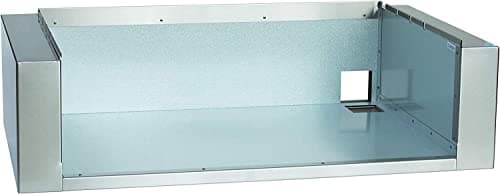
Bull Insulated Jacket for 30-Inch Bull Grills (BG-47017)
$519.00
Check price on Amazon: Bull Insulated Jacket for 30-Inch Bull Grills (BG-47017)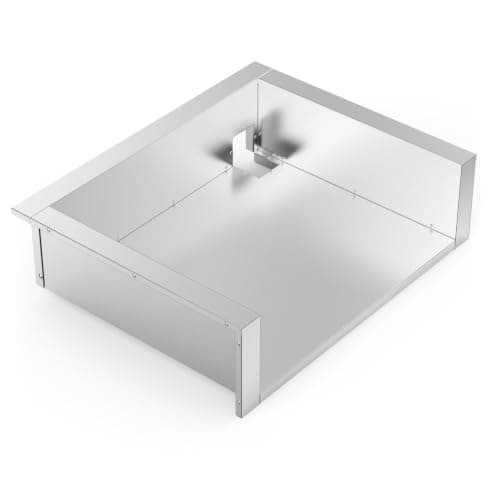
Stanbroil 28-Inch Built-in Griddle Insulated Jacket, 304 Stainless Steel
$399.99
Check price on Amazon: Stanbroil 28-Inch Built-in Griddle Insulated Jacket, 304 Stainless Steel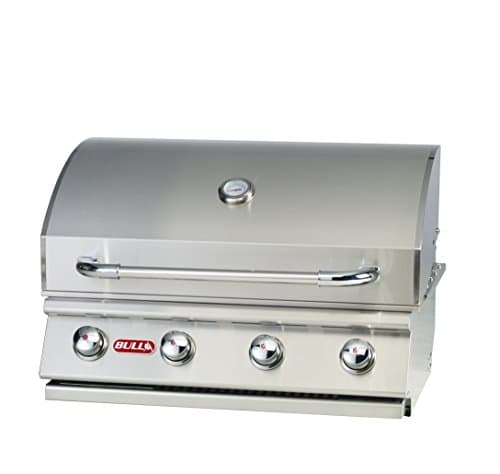
Bull Outdoor Products Outlaw 60,000 BTU Drop-In Grill Head – Stainless Steel, Natural Gas
$1,749.00
Check price on Amazon: Bull Outdoor Products Outlaw 60,000 BTU Drop-In Grill Head – Stainless Steel, Natural Gas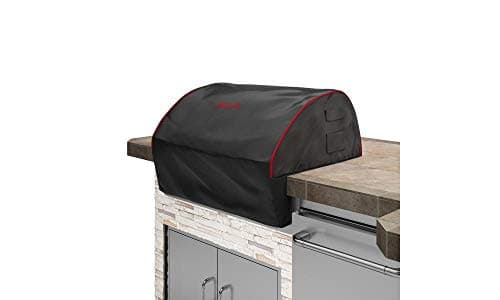
Bull Outdoor Products 30-Inch Premium Built-in Grill Cover, Heavy-Duty 300D Polyester BBQ Cover with Elastic Hem, Black, Model 45005
$72.99
Check price on Amazon: Bull Outdoor Products 30-Inch Premium Built-in Grill Cover, Heavy-Duty 300D Polyester BBQ Cover with Elastic Hem, Black, Model 45005Bull Insulated Jacket for 30-Inch Bull Grills (BG-47017)
$519.00
Check price on Amazon: Bull Insulated Jacket for 30-Inch Bull Grills (BG-47017)Stanbroil 28-Inch Built-in Griddle Insulated Jacket, 304 Stainless Steel
$399.99
Check price on Amazon: Stanbroil 28-Inch Built-in Griddle Insulated Jacket, 304 Stainless SteelBull Outdoor Products Outlaw 60,000 BTU Drop-In Grill Head – Stainless Steel, Natural Gas
$1,749.00
Check price on Amazon: Bull Outdoor Products Outlaw 60,000 BTU Drop-In Grill Head – Stainless Steel, Natural GasBull Outdoor Products 30-Inch Premium Built-in Grill Cover, Heavy-Duty 300D Polyester BBQ Cover with Elastic Hem, Black, Model 45005
$72.99
Check price on Amazon: Bull Outdoor Products 30-Inch Premium Built-in Grill Cover, Heavy-Duty 300D Polyester BBQ Cover with Elastic Hem, Black, Model 45005Prices and availability are accurate as of October 28, 2026, 3:17 AM UTC and are subject to change.
So What Exactly Is an Insulated Grill Jacket?
Blaze’s own description is a fair definition. On its insulated jackets page, Blaze says its jackets are essential when installing Blaze gas grills into a combustible enclosure such as an outdoor kitchen or BBQ island, and that they are built of stainless steel with a self-supporting ledge around the sides and back. Bull describes its 30-inch insulated grill jacket (item 47017) as 304 stainless steel construction that provides heat protection for enclosures and keeps heat from transferring to nearby cabinets, walls and other flammable surfaces.
In practice you cut the island opening to the jacket’s cutout, set the jacket in, and drop the grill head into it. Bull’s installation guide adds a practical detail: the jacket has to be supported from the bottom, there are no predrilled holes, and you drill through the bottom to fix it to your framing.
What a jacket is not is a generic part. Each manual that requires one names the manufacturer’s own: Blaze says “a Blaze insulated jacket”, Coyote says “an appropriate Coyote insulated jacket”, and Alfresco names its AIJ jacket by size. An insulated grill jacket also does not change what the island is made of. It protects the frame around one appliance.
Brand by Brand: Who Requires One
Compiled October 2026 from each manufacturer’s installation manual or spec sheet, plus the jacket pages where named. W × D × H in inches. “Not in our records” means we did not find a published figure, not that none exists.
| Grill | Clearance to combustibles (manual) | Jacket rule | Grill cutout | Jacket and its cutout |
|---|---|---|---|---|
| Blaze Premium LTE+ 32, BLZ-4LTE3 (manual) | 18 sides, 18 back | Blaze jacket required if the island is combustible | 30⅝ × 21¼ × 8½ | BLZ-4-IJ: 33 × 21¾ × 9¾ |
| Blaze Professional LUX 34, BLZ-3PRO (manual) | 18 sides, 18 back | Required if combustible | 32¼ × 23⅝ × 10½ | BLZ-3PRO-IJ: 34¾ × 2411⁄16 × 11 |
| Blaze LTE PRO 32, BLZ-4LTEPRO (spec sheet) | 18 | Required if combustible | 30¾ × 21¼ × 9½ | BLZ-4-IJ2: 33⅜ × 21¼ × 10 |
| Bull Outlaw, Angus, Lonestar 30 (Outlaw spec sheet) | 21 sides and back | Grill manual: non-combustible enclosure only; no jacket option described | 31 × 21 × 9½ | Bull sells item 47017: 37⅞ × 22 × 10 (see below) |
| Lion L75000 (manual) | 21 sides and back | Non-combustible enclosure only; no jacket documented | 31 × 21½ × 9⅝ | None |
| Coyote C3CL36 (manual) | 24 below the counter; 15 behind, above it | Coyote jacket required within 24 of combustibles | 32½ × 20½ × 10¼ | CJAKTCS36: 35¾ × 22⅛ × 11 |
| Coyote C3C30 (manual) | Same as above | Same as above | 25 × 20½ × 10¼ | C3JAKTCSL30; cutout not in our records |
| Lynx Professional L30 (manual) | 12 sides; 6¼ from back of hood | Insulated jacket accessory required in a combustible enclosure | 29 × 24½ × 10⅞ | LIJ30: 36 × 26½ × 11⅝ |
| Lynx Professional L36 (same manual) | 12 sides; 6¼ from back of hood | Same as above | 35 × 22 × 10⅛ | LIJ36: 42 × 24 × 11⅝ |
| Alfresco ALXE-30 (spec sheet, archived copy) | Not stated on the sheet | Cutout shown is for non-combustible construction only; otherwise AIJ jacket required | 28½ × 23 × 10¼ | AIJ-30; cutout not in our records |
| Napoleon Built-in 700 Series 32, BIG32 (manual) | 24 rear, 7 sides | Cabinet must be non-combustible unless the matching Zero Clearance Liner is installed | 30–32 × 19.4–19¾ × 10¼ | BI-3623-ZCL liner; opening not in our records |
The pattern: Blaze, Lynx, Alfresco and Coyote allow a combustible island with their own jacket (Coyote frames it as a distance rather than a material), Napoleon allows it with its Zero Clearance Liner, and Bull and Lion ask for a non-combustible enclosure. One Blaze caveat belongs here too: the safety section of the same LTE+ manual says the grill must be installed in a non-combustible enclosure only, while its installation pages require the jacket when the island is combustible. If those two lines leave you unsure, ask Blaze before you frame.
Size the Hole for the Jacket, Not the Grill
Once a jacket is involved, its cutout replaces the grill’s cutout. Here is how much larger each published jacket opening is than the grill it holds, using the figures in the table:
- Blaze LTE+ 32 with BLZ-4-IJ: 2⅜ in wider, ½ in deeper, 1¼ in taller.
- Blaze LUX 34 with BLZ-3PRO-IJ: 2½ in wider, 11⁄16 in deeper, ½ in taller.
- Blaze LTE PRO 32 with BLZ-4-IJ2: 2⅝ in wider, same depth, ½ in taller.
- Coyote C3CL36 with CJAKTCS36: 3¼ in wider, 1⅝ in deeper, ¾ in taller.
- Bull 30 with item 47017: 6⅞ in wider, 1 in deeper, ½ in taller.
- Lynx L30 with LIJ30: 7 in wider, 2 in deeper, ¾ in taller.
- Lynx L36 with LIJ36: 7 in wider, 2 in deeper, 1½ in taller.
The spread runs from about 2½ to 7 inches of extra width. That decides whether a grill and its jacket fit between two cabinets you have already ordered, so do the arithmetic with the jacket figure, not the grill figure. Our outdoor kitchen grill cutout dimensions guide explains how width, depth and height each constrain the island, and the outdoor kitchen built-in grill page covers choosing the head itself.
Height needs one more correction. Bull’s install guide says the jacket is 10 inches from bottom to top and, for a flush mount, you subtract the thickness of your countertop and any substrate. Bull’s jacket spec sheet says the 10-inch cutout height is measured from the top of the tile to the bottom of the cutout and that building materials vary, so adjust accordingly. Blaze, on its jacket page, notes that a ¼- to ½-inch gap is possible below the jacket. Measure the support ledge from the finished top, not from the frame.
Bull and Lion Point You Toward Masonry
Bull’s grill manuals are blunt. The Outlaw, Angus, Brahma, Lonestar and Diablo manuals tell you to keep 21 inches from both sides and the back of the grill to any combustible material and not to use combustible materials for the grill enclosure, and they describe their cutout dimensions as being for non-combustible construction only. The manuals do not describe a jacket option.
Bull does, however, sell one. Its 30-inch insulated grill jacket page lists item 47017 as compatible with all 30-inch Bull grills, naming the Angus, Lonestar and Outlaw, and the install guide adds that it is not for use with Bull’s 4-burner griddle. What none of the Bull documents we read says is that the jacket turns a combustible island into an approved enclosure for those grills. So read the two together carefully: the jacket is a Bull accessory, while the grill manual still asks for a non-combustible enclosure. The fit checker above follows the grill manual, which is why it marks Bull grills as not approved for a wood frame. If you want a Bull grill in a wood-framed island, get Bull’s answer in writing first. The Bull insulated grill jacket heads the products below because it is the jacket for the Outlaw head listed with it.
Lion is simpler. Its instruction manual says the sides and back of the grill should be no closer than 21 inches to combustible construction and that the appliance is only for installation in a built-in enclosure of non-combustible materials. We found no jacket in Lion’s documents. For a Lion grill, the island is masonry, block or another non-combustible build.
Is a Steel-Stud Island Combustible?
The manuals answer this in their own terms, and they do not use the same terms. Blaze talks about an outdoor kitchen “constructed of combustible materials”. Napoleon says the cabinet frame must be non-combustible unless the liner is installed. Lion says the enclosure must be constructed of non-combustible materials. Coyote measures distance: combustible material within 24 inches of the grill frame below the countertop triggers the jacket.
A timber frame is plainly combustible: with Blaze, Lynx, Alfresco, Coyote or Napoleon you need the jacket or liner, and with Bull or Lion a different frame. Block with a stone top is the opposite case. Steel studs sit in between: the studs themselves do not burn, but the island also includes whatever is screwed to them, under the countertop and around the doors. A plywood substrate under the top, a wooden trim strip or a timber deck below the island can all count as combustible material near the grill. Coyote’s distance rule makes this concrete. A steel-framed island built on a wooden deck can still have combustible material within 24 inches of the grill frame.
None of the manuals we read defines every assembly; for anything in between, the grill’s manufacturer and your local inspector have the final word. For the build methods themselves, our outdoor kitchen frame guide compares wood, steel and RTA framing, outdoor kitchen materials covers what each surface is made of, and outdoor kitchen on a deck deals with the timber underfoot.
A Worked Example in a Timber-Framed Island
Take a Blaze Premium LTE+ 32 going into an island framed in pressure-treated timber. The grill alone needs a 30⅝ × 21¼ × 8½-inch cutout. The frame is combustible, so the manual requires a Blaze insulated jacket. Blaze lists the BLZ-4-IJ as the jacket for its 4-burner Premium LTE, with a 33 × 21¾ × 9¾-inch cutout. So the opening you frame is 33 inches wide, not 30⅝.
Two more lines in the manual apply. Blaze asks for a 1-inch air gap cut out of the front face of the countertop below the control panel, and it lists 18 inches from the sides and back to combustible material. The manual lists the clearance and the jacket requirement separately and does not say that the jacket reduces the 18 inches, so plan for both unless Blaze tells you otherwise.
Now suppose you change your mind and order a Bull 30-inch instead, without rebuilding. Bull’s jacket opening is 37⅞ inches wide, 4⅞ inches more than the opening you framed for the Blaze jacket, and the Bull grill manual asks for a non-combustible enclosure in any case. Switching brands after framing usually means reframing. That is the reason to pick the grill, and its jacket, before the first stud goes in.
Griddles and Burners Have Rules of Their Own
Blaze also sells jackets for its gas griddles, double side burners, power burners and 26-inch pizza oven. What the documents say:
- Blaze 30-inch griddle: the griddle manual asks for 18 inches from the sides and back to combustibles and says you must use a Blaze insulated jacket for the griddle if the island is not non-combustible.
- Blaze power burner: the power burner manual asks for 16 inches, not 18, to combustible construction, and says an insulation jacket is required in a combustible island.
- Coyote C3FTG30 griddle: its jacket, C3JAKTFT, has a 32⅜ × 22⅛ × 11-inch cutout against the griddle’s own 27¼ × 20½ × 10¼.
- Bull 4-burner griddle: Bull’s install guide for jacket 47017 says it is not for use with the griddle.
A side burner next to a jacketed grill in a timber island needs its own answer from its own manual. The Stanbroil 28-inch griddle jacket in the products below is sold as a 304 stainless built-in griddle jacket. We have not seen a Stanbroil spec sheet, so check its dimensions and stated compatibility against your griddle before ordering.
Five Checks Before You Order
Run through these before you buy an insulated grill jacket, or a grill that might need one:
- Get the exact model number and fuel type of the grill. Jacket rules and cutouts are per model.
- Read the grill manual’s section on combustible construction. Find out whether it requires a jacket, allows one, or allows only a non-combustible enclosure.
- Find the jacket the manufacturer names, and its cutout. Frame to the jacket’s cutout, measured from the finished top.
- Check the clearances that still apply. Side and rear distances to combustibles, the front air gap and any lid clearance are separate lines in the manual.
- Plan the support. Bull’s jacket needs bottom support from your framing; other brands describe their own ledges.
Then put the grill into the fit checker above with “Wood (combustible) frame” ticked if your island is timber. For the build sequence as a whole, see outdoor kitchen construction, or start from the Outdoor Kitchen Setup home page.
Frequently Asked Questions
01What is an insulated grill jacket?
02Do I need an insulated grill jacket in a block or masonry island?
03Can I build a DIY insulated grill jacket?
04Is there an insulated grill jacket for a Blackstone griddle?
05Does an insulated jacket remove the need for clearance to combustibles?
This guide is part of Outdoor Kitchen Components: What Goes In, In What Order, and What to Skip — the hub covering every accessories guide on Outdoor Kitchen Setup.
Related Guides
Written and edited by Sukie
Sukie is the editor behind Outdoor Kitchen Setup. They compile manufacturer specification sheets, published building codes, and industry sizing standards into the measurement and planning guides on this site, and check every figure against its original source before it goes live. Where a number varies by brand or by local code, the guides say so rather than presenting a single figure as universal.